

Funds being channeled towards project to increase climate change resilience and protecting livelihoods

The European Union (EU) is providing additional funding to the tune of €4.9 million (J$859,506,060) for climate change resilience as well as reducing poverty by protecting livelihoods.
In fact, a total of €6 million (J$1.05 billion) is being spent on the project dubbed, ‘A Jamaican Path from Hills to Ocean’. It is jointly funded with a grant from the European Union (EU) Global Climate Change Alliance (GCAA+) in the amount of €4.9 million as well as a contribution from the Government of Jamaica of €1.1 million (J$192,950,340).
The central goal of the initiative aims to protect at least 30 per cent of the world’s land and ocean by 2030. The 30×30 target is a global target that aims to halt the accelerating loss of species and protect vital ecosystems that are the source of economic security.
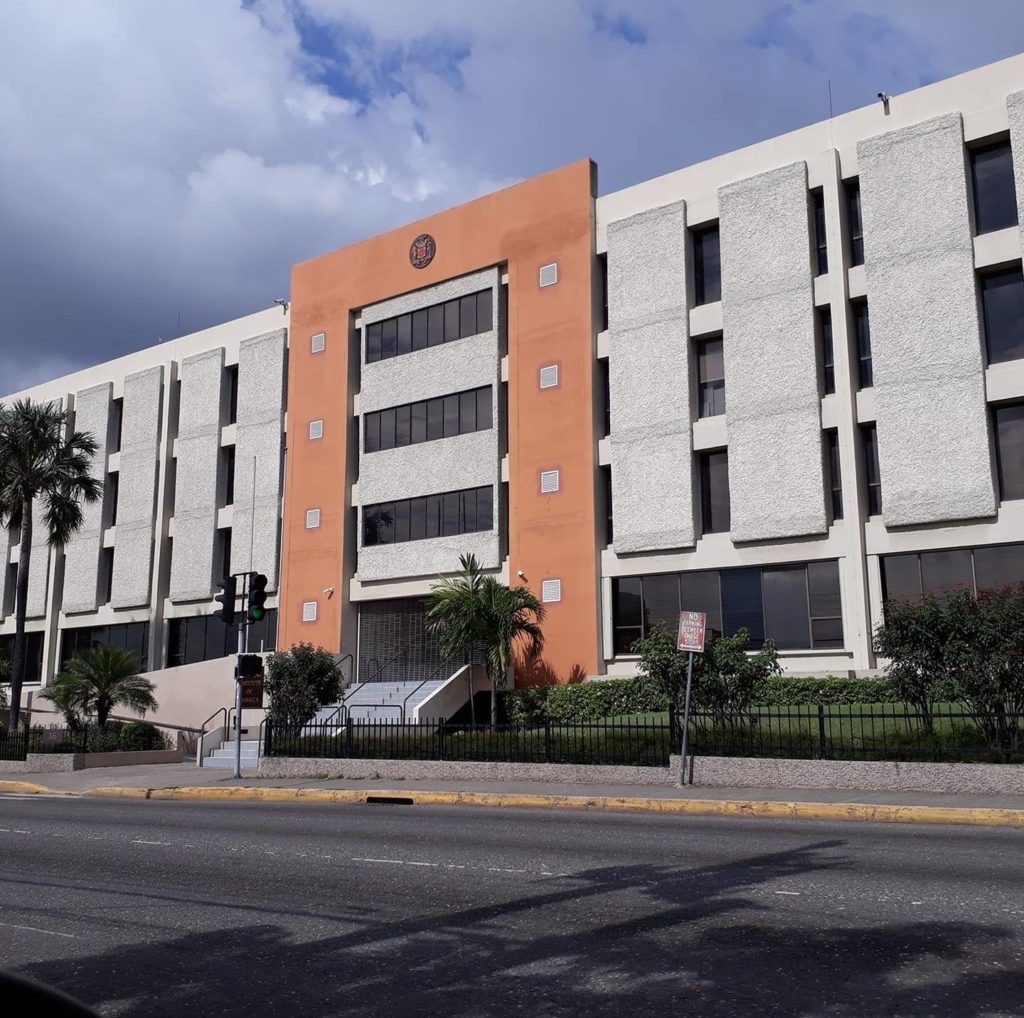
The executing agency of the Hills to Ocean Project is the Planning Institute of Jamaica, in collaboration with the Ministry of Agriculture and Fisheries and the National Environment and Planning Agency (NEPA).
Details of the project
The project utilises an integrated and sustainable landscape management methodology in selected watershed management units (WMUs). The targeted WMUs are Wagwater in St Mary, including Castleton Gardens; Rio Nuevo in St Ann and Rio Bueno/White River in St Ann and Trelawny.
Wetland ecosystems in Falmouth, Trelawny; the Mason River Protected Area in St Ann and Clarendon, as well as seagrass beds in the Ocho Rios Marine Park Protected Area, in St Ann; the Hellshire Bay and Half Moon Bay – Portland Bight Protected Area in St Catherine and Clarendon are also targeted for integrated and sustainable coastal management interventions.

The project, which began in November 2020, is being implemented over five years. It will directly benefit the communities and residents who live in or make their livelihood from resources in the targeted WMUs.
The communities and residents, particularly farmers and women, will benefit from capacity building in sustainable land management, including agroforestry and compatible agriculture, climate-resilient agricultural techniques and improved water management techniques.
Officials endorsing the project
Speaking at the official launch of the project at the University of the West Indies (UWI) Regional Headquarters, Mona yesterday (July 19), Minister without Portfolio in the Ministry of Economic Growth and Job Creation, Senator Matthew Samuda expressed the hope that Jamaica will be able to establish itself as a centre of excellence for environmental management, climate-change mitigation and climate-change adaptation.
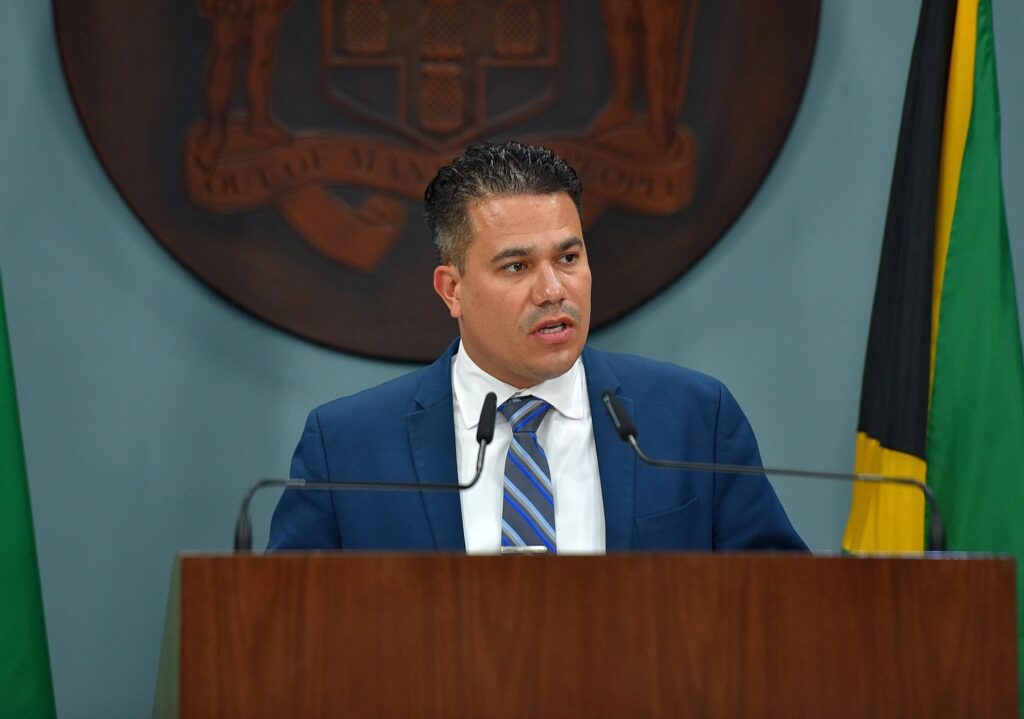
Said Samuda: “A project that touches these watersheds is directly tied to our future prosperity, and in that vein I thank all of the agencies that have worked tirelessly to bring us to this point. I will give whatever support you need from my office to ensure none of your targets are in question.”
Continuing, he said: “We have a lot of action to take, and establishing ourselves as a centre of excellence will require a lot of work. It’s terribly important because we have to lift our people out of poverty and, if we don’t become a centre of excellence in environmental management and in the issues related to climate change, we will not lift our people out of poverty; we will be in the perpetual cycle of recovering from disasters.”
The minister highlighted that environmental protection is critical to economic growth; therefore, building resilience to the impacts of climate change is paramount, pointing out that the project is particularly critical, given that Jamaica has committed to the High Ambition Coalition for Nature and People.

For her part, Myriam Ferran, deputy director general, Directorate-General for International Partnerships, European Commission, said the project was one piece of the overall contribution that the European Union is providing to the Government to fight climate change and protect the environment.
“We are extremely grateful for the excellent cooperation we have had with all the agencies involved,” she told the gathering.
Barbara Scott, deputy director general, External Cooperation, Management and Project Development, Planning Institute of Jamaica, pointed out that the findings from the project would be useful in informing actions and activities to be undertaken under the project and the development of climate change and environmental policies nationally, among other things.





Comments