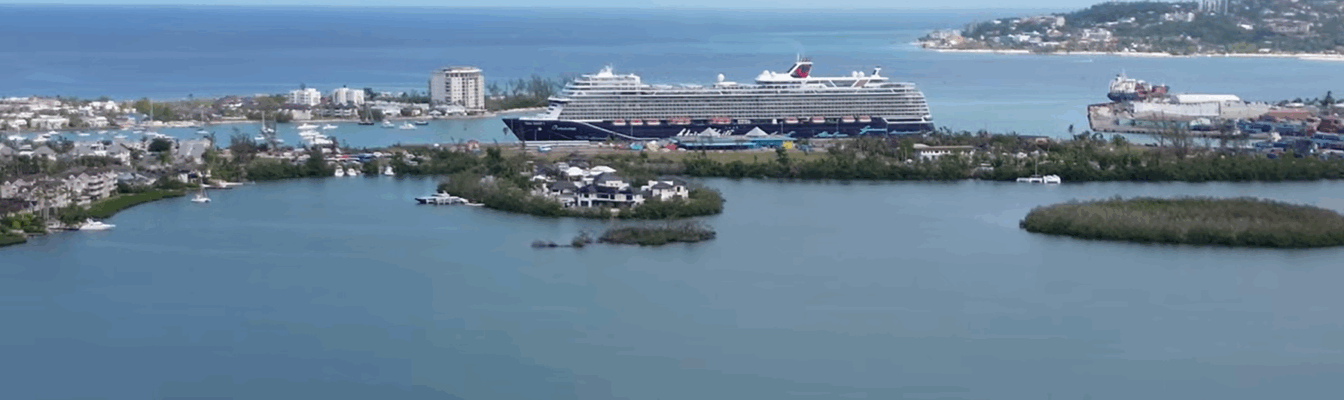

Jamaica’s tourism sector is experiencing a powerful resurgence, underscoring its resilience amid widespread disruption to infrastructure, flights, and key resort areas caused by the passage of Hurricane Milissa on October 28 this year.
The island’s rapid recovery reflects the success of a well-coordinated tourism strategy that prioritised the swift restoration of essential services, safety protocols, and operational readiness across major destinations, ensuring that travellers can return with confidence. This achievement comes just weeks after the Category 5 hurricane caused widespread disruption, forcing temporary closures across parts of the island.
Rather than slowing momentum, the crisis appears to have galvanised public and private sector partners, accelerating coordinated efforts to restore infrastructure, reopen resorts, and reassure international markets. Today, Jamaica’s major tourism corridors are once again alive with activity, underscoring the sector’s resilience and strategic preparedness.
Recovery exceeding expectations
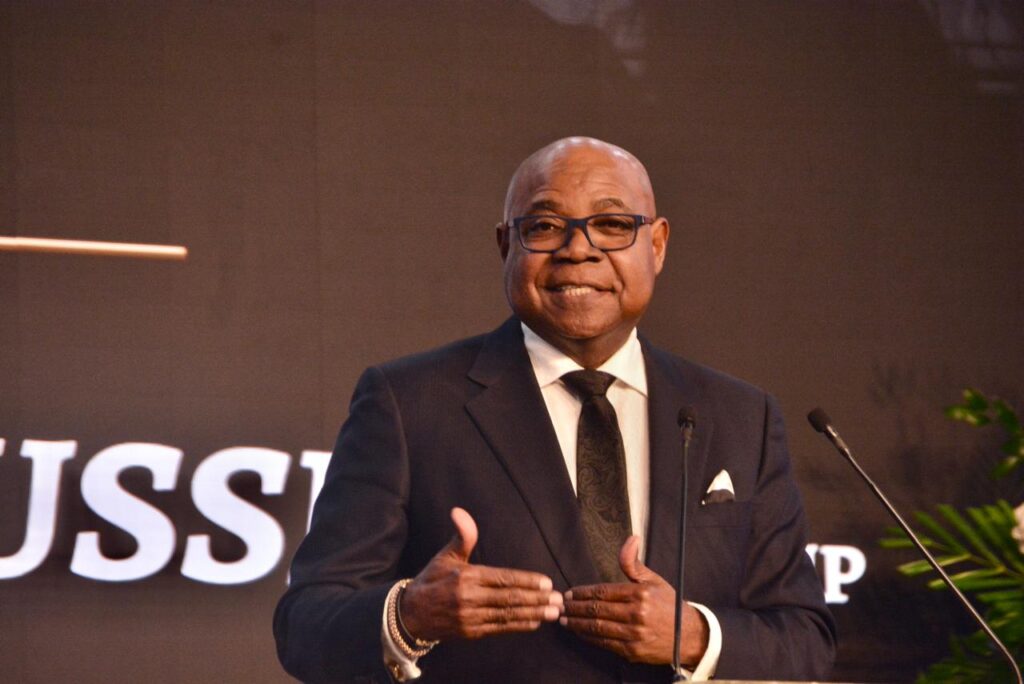
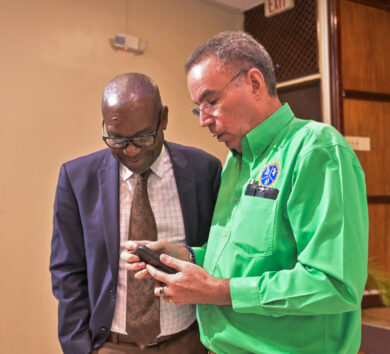
“Our recovery has exceeded expectations,” declared Tourism Minister, Edmund Bartlett, who told tourism stakeholders this week, “Jamaica is not just back—we are stronger, more resilient, and more committed than ever to delivering the authentic Jamaican experience our visitors know and love. The dedication of our tourism workers, many of whom were personally affected by the hurricane, exemplifies the true spirit of Jamaica.”
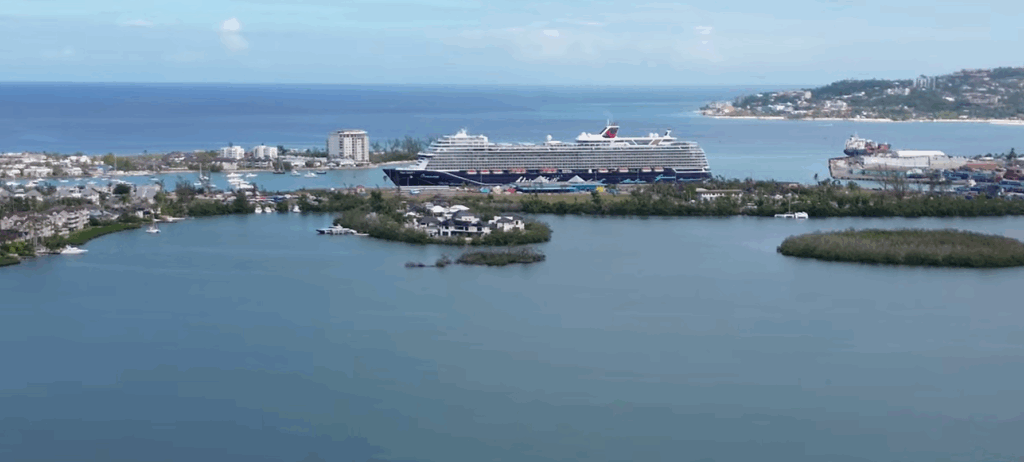
He emphasised the resilience of the sector and the collaborative efforts of public and private partners in reopening iconic destinations, including Montego Bay, Ocho Rios, Negril, and Kingston. Fully operational airports such as Sangster International, Norman Manley, and Ian Fleming International, alongside hotels and cruise ports, have played a crucial role in restoring global traveller confidence.
Visitors, the Minister trumpeted, can once again enjoy Jamaica’s world-famous hospitality, vibrant culture, pristine beaches, and authentic cuisine, while the sector’s swift recovery supports livelihoods and reinforces the island’s position as the Caribbean’s leading travel destination.
Already, the destination has welcomed three hundred thousand visitors since the Category 5 storm forced temporary closures of hotels and other businesses across parts of the island, with airports, hotels, resorts, and cruise operations returning to full operation for the winter travel season, which got underway on Monday, December 15.
Today, Jamaica’s major tourism corridors are once again alive with activity, underscoring the sector’s resilience and strategic preparedness.
Major resort destinations such as Montego Bay, Ocho Rios, Negril, and Kingston are now fully open, offering travellers the world-class service Jamaica is renowned for. Hotels, tour operators, transportation services, and attractions have been working tirelessly to ensure smooth arrivals and safe, high-quality experiences for all visitors. Minister Bartlett confirmed that the island met its goal of restoring core tourism operations by December 15, achieving a remarkable recovery just over six weeks after Hurricane Melissa struck.
“Our recovery has exceeded expectations,” explains Minister Bartlett. “Jamaica is not just back—we are stronger, more resilient, and more committed than ever to delivering the authentic Jamaican experience our visitors know and love. The dedication of our tourism workers, many of whom were personally affected by the hurricane, exemplifies the true spirit of Jamaica. Jamaica’s long-term outlook remains positive.”
The island welcomed 4.3 million visitors in 2024, and tourism officials are confident that a full recovery will be achieved by December 2026. Investments in infrastructure resilience, crisis response planning, and destination management are expected to strengthen the sector further against future disruptions. As Jamaica moves forward, the post-hurricane recovery stands as a testament to the country’s determination, coordination, and global reputation.
With its natural beauty, cultural depth, and renewed operational strength, the island is not only open for business but firmly positioned for continued growth in the competitive Caribbean travel market.




Comments