


Durrant Pate/Contributor
Jamaica Public Service Company (JPS) and the Small Business Association of Jamaica (SBAJ) have agreed on new engagement terms regarding fuel charges and other operational concerns moving forward.
Both organisations agreed to formalise a dedicated communication channel for SBAJ matters, reinforcing a shared commitment to continued engagement, as Jamaica modernises its energy infrastructure and strengthens overall system resilience.
This agreement was brokered recently during a meeting with the leadership of JPS and the SBAJ to address concerns raised by the small business sector about the cost of electricity.
Uproar over higher light bills
The engagement followed widespread public commentary surrounding the announcement of an increase in bills in December. During the extensive dialogue, JPS’ leadership explained that the company did not benefit from the announced increase. JPS has promised to establish a dedicated point of contact for the SBAJ to address issues more effectively.
JPS chief financial officer Vernon Douglas emphasised that the increase reflected the higher fuel and power generation costs incurred after the hurricane, which the company was legally required to pay, and pass through to customers, under Jamaica’s regulatory system.
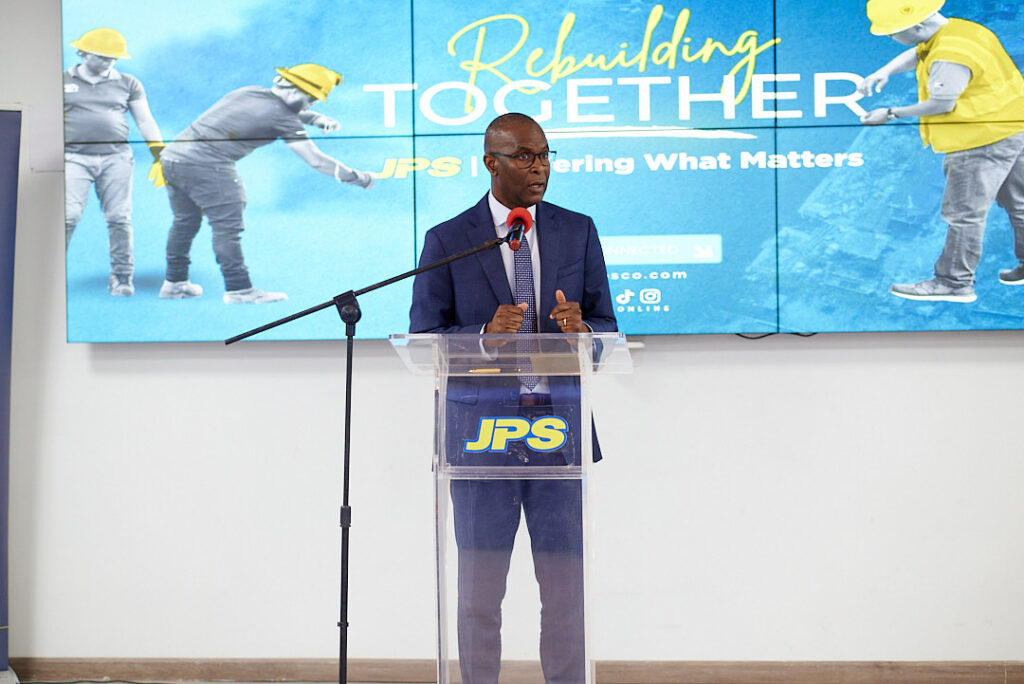
He was adamant that the increase was not to fund restoration, nor did it go to JPS’profit margin.
He explained, “The adjustment was not an increase in non-fuel electricity rates. It is the adjustment that we see from one month to the next, depending on the variable costs associated with supplying electricity, most significantly the cost of fuel, and payments to independent power producers. Sometimes these costs go up, and sometimes they go down, and these upward or downward movements are passed through to customers, and reflected on bills each month, whether or not there is a hurricane.”

Looking at volatility in bills
The CFO at the light and power company acknowledged that a monthly volatility in bills was the real issue facing customers.
“The problem is not a single increase, but the general unpredictability of electricity bills. To address this problem, JPS has proposed a fuel rate stabilisation mechanism to the OUR (Office of Utilities Regulation). The goal is to reduce sharp month-to-month swings in bills while still fully honouring the obligation to pay fuel suppliers and power producers. Similar mechanisms are used in energy markets around the world,” Douglas told the meeting.

The discussion also addressed longer-term structural solutions for Jamaica’s energy landscape, including advocacy for a more sophisticated regulatory framework with fuel price hedging and national risk-sharing mechanisms such as parametric insurance to protect vulnerable transmission assets.
The JPS team highlighted electricity theft, estimated at roughly 21 per cent of generated power, as a significant contributor to system costs, calling for stronger social interventions and the establishment of a specialised utility court.
JPS’ acting SVP of customer experience and commercial, Leroy Reid, underscored the importance of the MSME sector to economic growth and committed to continued engagement with the SBAJ on their areas of interest.
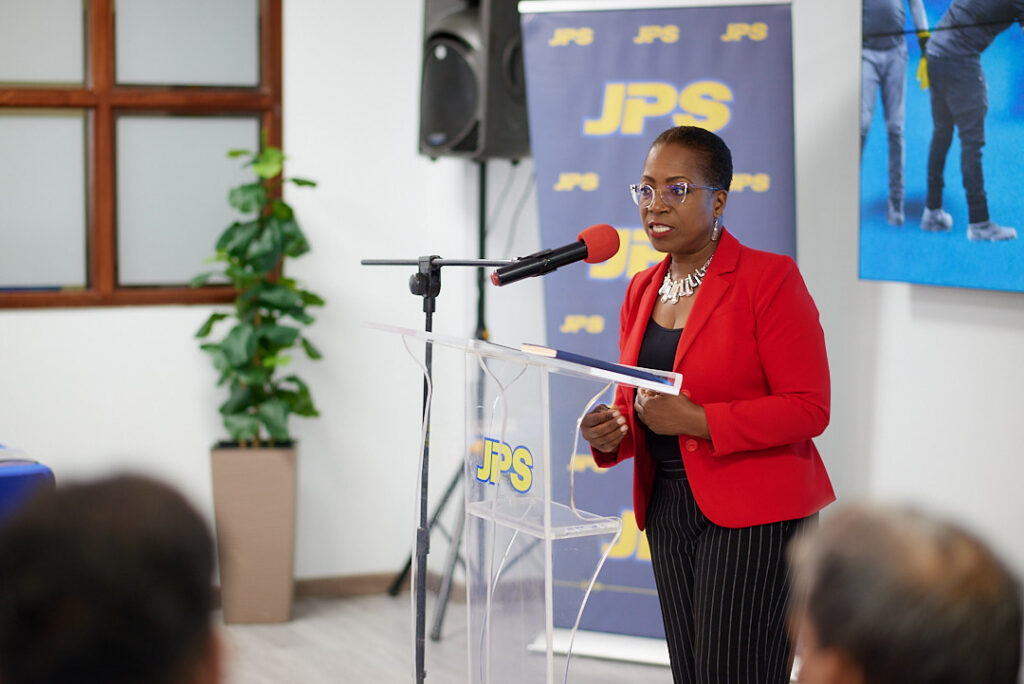
For his part, SBAJ president Garnett Reid mused that, “Electricity is very important to the MSME sector. It is a critical input in the production of goods and services. High electricity costs can force businesses to close their doors permanently.”
He reported, “The engagement is not just about dialogue; it is about our partnership between JPS and the SBAJ and the wider SME sector.”






Comments