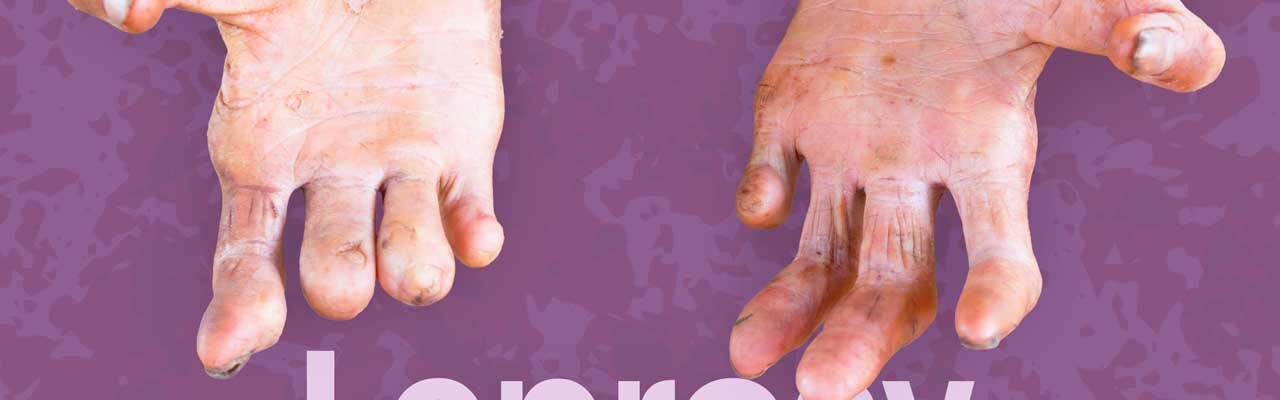
Leprosy | A modern-day challenge defying historical perceptions

Tamoy Ashman / Our Today
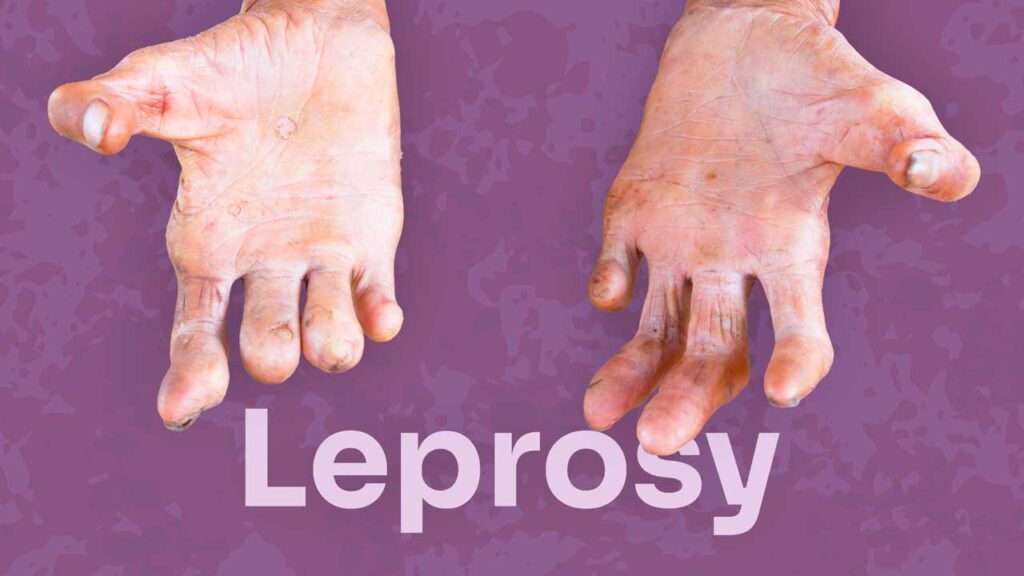
While Leprosy is a disease often associated with biblical times, the reality is that it is very much present in the modern era, with cases reported globally every year.
According to the World Health Organisation, the disease still occurs in more than 120 countries, with more than 200,000 new cases reported every year.
In 2023, the Ministry of Health, Wellness, and Elderly Affairs in St Lucia registered 11 new cases of Leprosy and, at the start of 2024, has already diagnosed new cases. Additionally, Barbados reported one case of Leprosy in January.
Both countries have asked members of the public not to panic, urging them to look out for signs of the disease among their family members and friends.
The re-emergence of the disease in the Caribbean underscores the importance of addressing and understanding the disease, especially given the stigma attached.
So, what is Leprosy? What are the symptoms of the disease? Is it contagious? Can it be treated?
(WARNING! Some images may contain graphic content.)
What is Leprosy?
According to the World Health Organization (WHO), Leprosy, also known as Hansen disease, is a chronic infectious disease caused by Mycobacterium leprae.
The disease affects the skin, the eyes, the mucosal surfaces of the upper respiratory tract, and the peripheral nerves. However, it is treatable during the early stages.
Leprosy is contagious and transmissible through droplets from the nose and mouth during close and frequent contact with untreated cases.
All ages, ranging from early childhood to old age, can contract the disease.
Leprosy has a long incubation period of an average of five years or as long as 20 years. This means that a person could have the disease but not show any signs or symptoms.
Symptoms
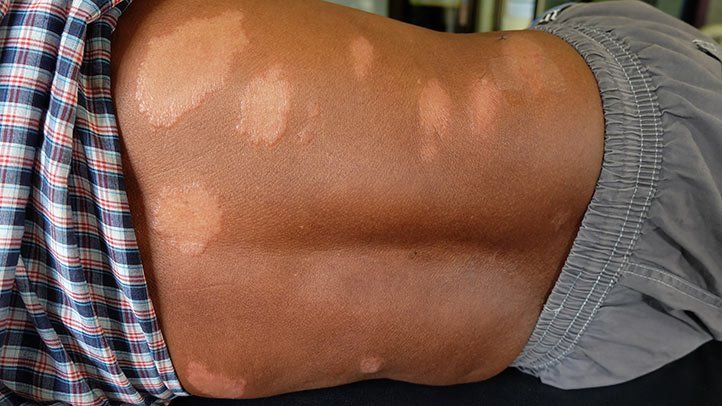
The most common symptom of Leprosy is skin lesions.
According to the WHO, a skin lesion usually has a different pigmentation than the surrounding normal skin. It may cause a section of the skin to appear paler, reddish, or copper-coloured. Skin lesions can be single or multiple, with a definite loss of sensation in the affected area.

Other symptoms of Leprosy include curling toes or fingers, vision loss, losing hair, thickened or enlarged peripheral nerve, with loss of sensation and, or weakness of the muscles supplied by that nerve, and the presence of acid-fast bacilli in a slit-skin smear.
Leprosy will appear differently in patients, based on their immune response, causing some patients to have one to five lesions while others have more than five. In severe cases, persons can become disabled, loosing mobility in their fingers.
Treatment
Despite popular belief, Leprosy is treatable. And no, you do not have to dip in the river Jordan seven times to cure the disease.
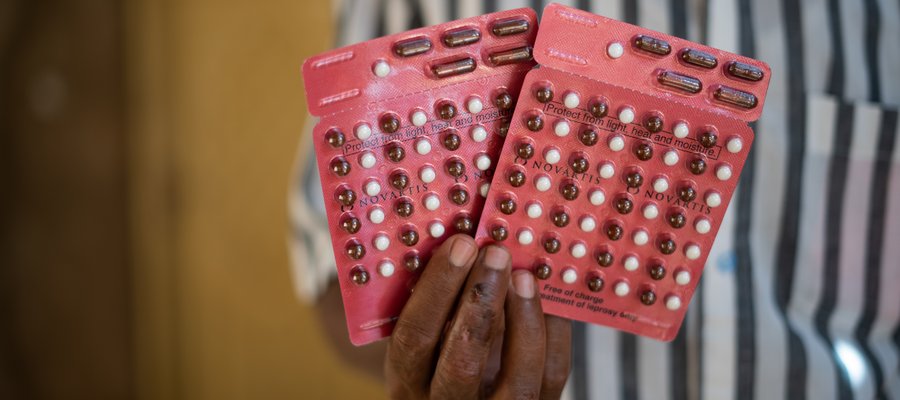
Patients with early diagnosis can be treated with multidrug therapy.
The WHO recommends the three-drug regimen consisting of rifampicin, dapsone, and clofazimine for all leprosy patients. The treatment period ranges from six to 12 months, depending on the immune response to the disease.





Comments