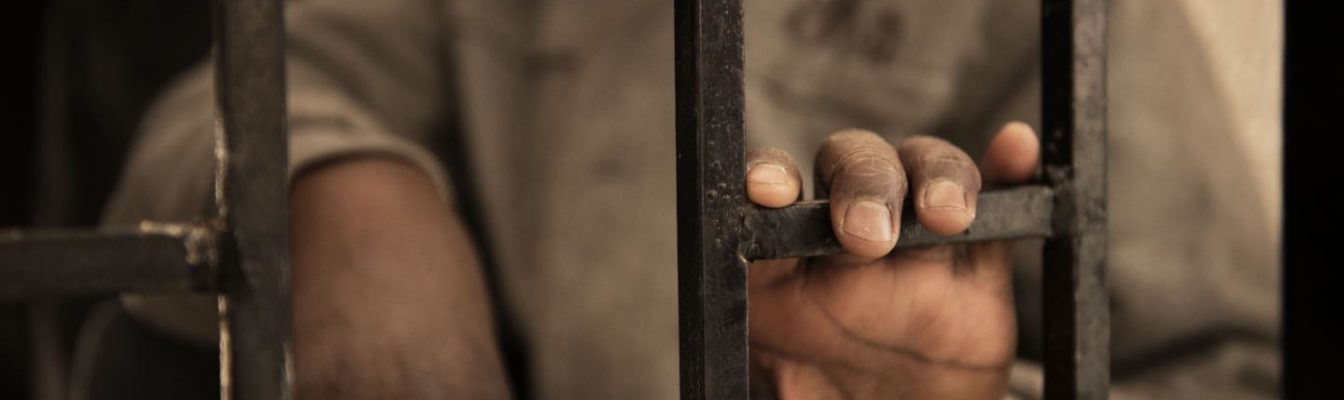
More urgency, lawmakers! Rights groups still awaiting reforms as Jamaican children languish in detention centres

Gavin Riley / Our Today
administrator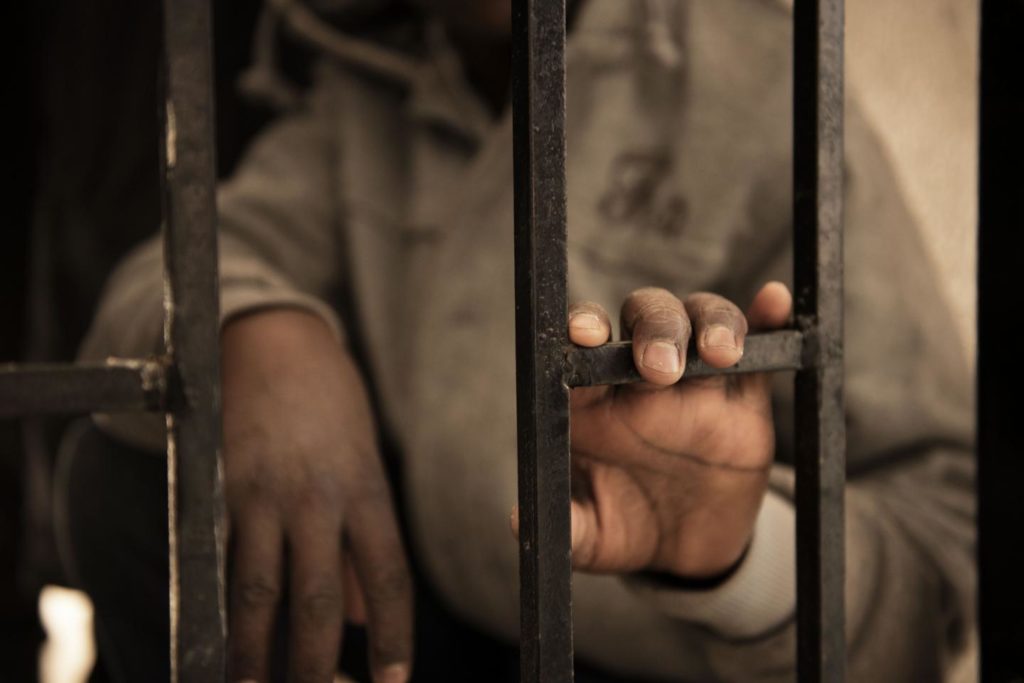
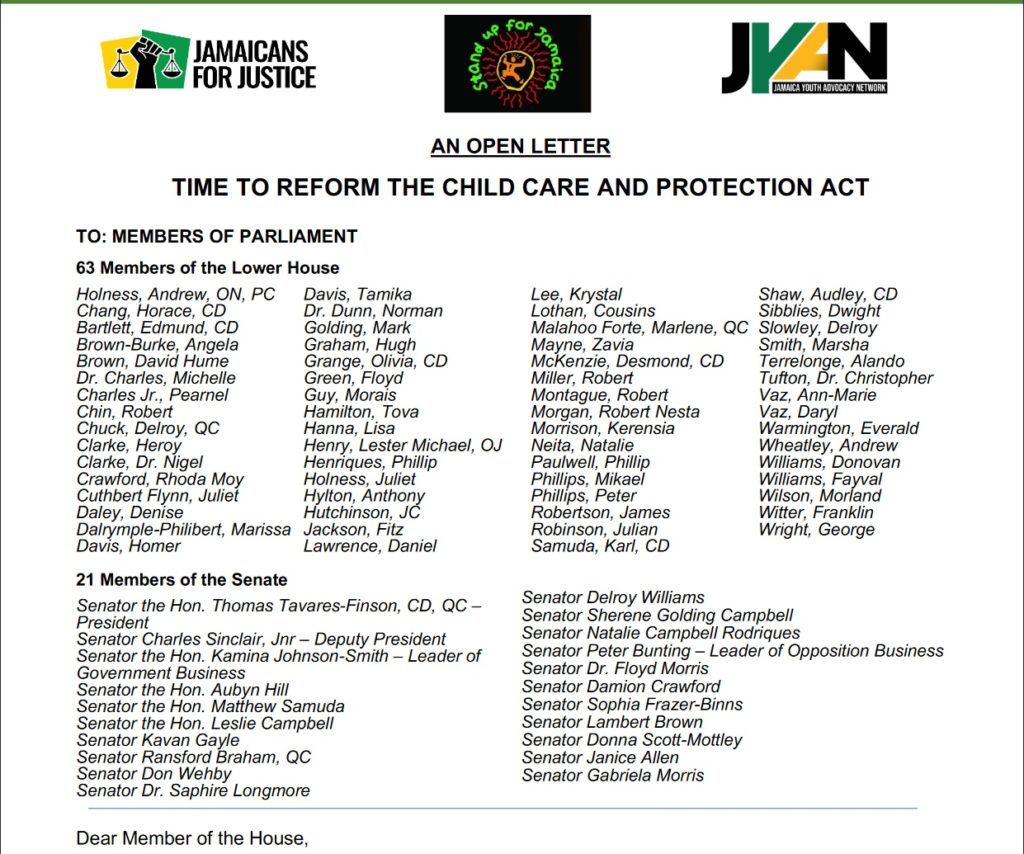
Human rights advocacy group Jamaicans for Justice (JFJ) has joined forces with NGOs Stand Up for Jamaica (SUFJ) and Jamaica Youth Advocacy Network (JYAN) in a call for both Houses of Parliament to put forward reforms of the Child Care and Protection Act as one of their most urgent priorities.
In a joint letter on Friday (February 25), the groups addressed all 63 parliamentarians and 21 senators, bemoaning the “long history of state-sanctioned violence against children” in Jamaica, which they contend seems to still disproportionately affect those from poorer socio-economic circumstances.
The letter comes days after the report of a 17-year-old ward being shot and injured in an attempt to escape from the Metcalf Street Secure Juvenile Remand Centre in Kingston. The teen succumbed to his injuries on February 23.
Additionally, the open letter is being delivered to lawmakers in light of the recently released Department of Correctional Services (DCS) report which highlighted the inhumane conditions of juvenile detention facilities across the island.
“The report shows that children within the penal system continue to be deprived of their basic rights, including the right to an education and access to adequate psychosocial support,” the groups argued.
“For years, the undersigned have vocalised concerns regarding the gaps in the legislation that allow for children, without crime, who are deemed ‘uncontrollable’, to be ‘jailed’ at juvenile correctional centres,” the letter continued.
Amid the DCS reports and general concerns, the groups demanded answers from Parliament on the following questions:
- Is there a continued practice of children being held in adult prisons and police lockups with adults? If so, how many?
- Who is ultimately responsible for the ongoing abuse being meted out to children, as highlighted in the DCS report? Who or which agency will be held accountable?
- Given the significant gaps in rehabilitative efforts by the state for children under correctional orders, what is the state’s response in addressing the DCS’ and previous reports of similar claims?
Ranking high on their concerns, the groups criticised the ‘ineffective’ National Child Diversion Programme for failing to “prevent or minimise children from getting in trouble with the law and entering the penal system”.
“With a 40 per cent recidivism rate, it is imperative that the relevant sections of the law be overhauled into a social force that produces positive behaviours instead of being punitive in its approach,” the groups asserted.
The open letter lists, among their recommendations, that the Government of Jamaica repeals sections of the Child Care and Protection Act that facilitate the imprisonment of children—worse still, incarceration of Jamaican juveniles in adult lock-ups.
“To assist Parliament in its deliberations, it is our view that all matters concerning children fall under the purview of the Child Protection and Family Planning Services (CPFPS), including children in conflict in the law. Also, an inter-ministerial response is required with input from the Ministry of Education and Ministry of Health to adequately address the gaps in the provision of adequate education and mental health services,” the groups recommended further.
In a December 2019 report, Justice Minister Delroy Chuck had publicly declared that ‘uncontrollable’ children who have not committed any crimes, would no longer face detention in correctional facilities at the whim of a judge service the network of family courts islandwide.
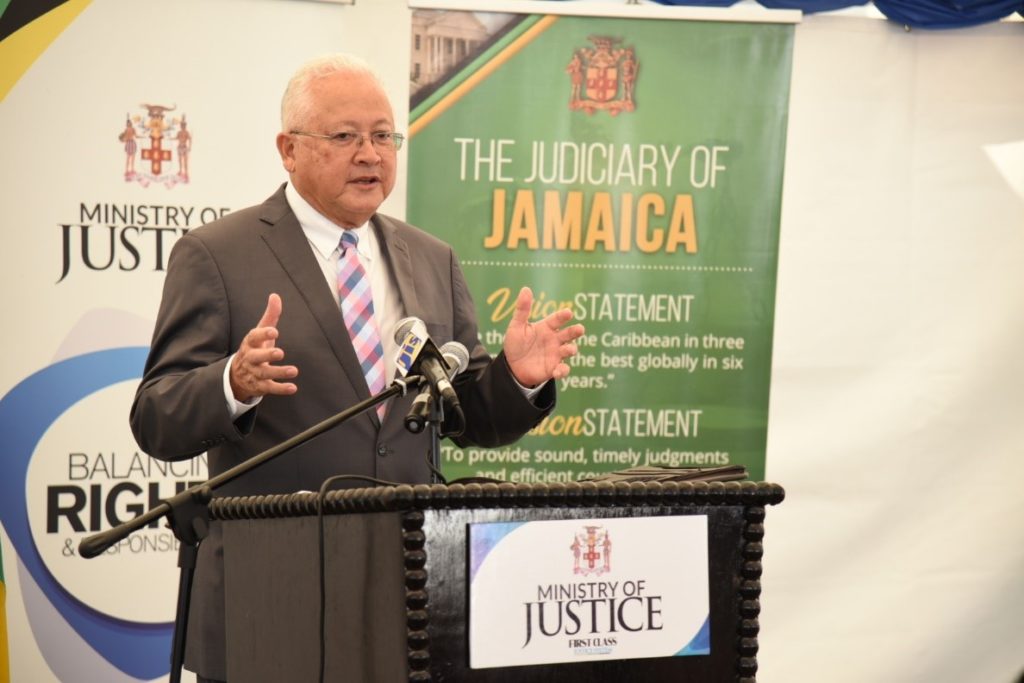
His statement was spurred by findings unearthed by JFJ and gave assurances that the Jamaican Government would do better in this regard.
Nearly three years later, however, the JFJ has suggested that few, if any, changes have been enacted.
See open letter in full below:
(Statement provided by the office of Jamaicans for Justice) 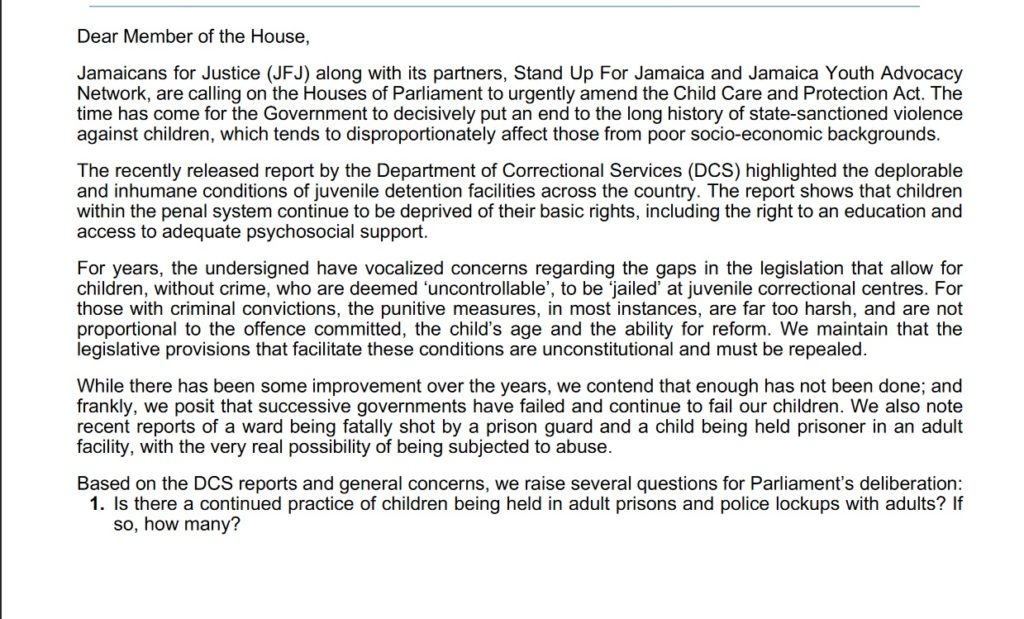
(Statement provided by the office of Jamaicans for Justice) 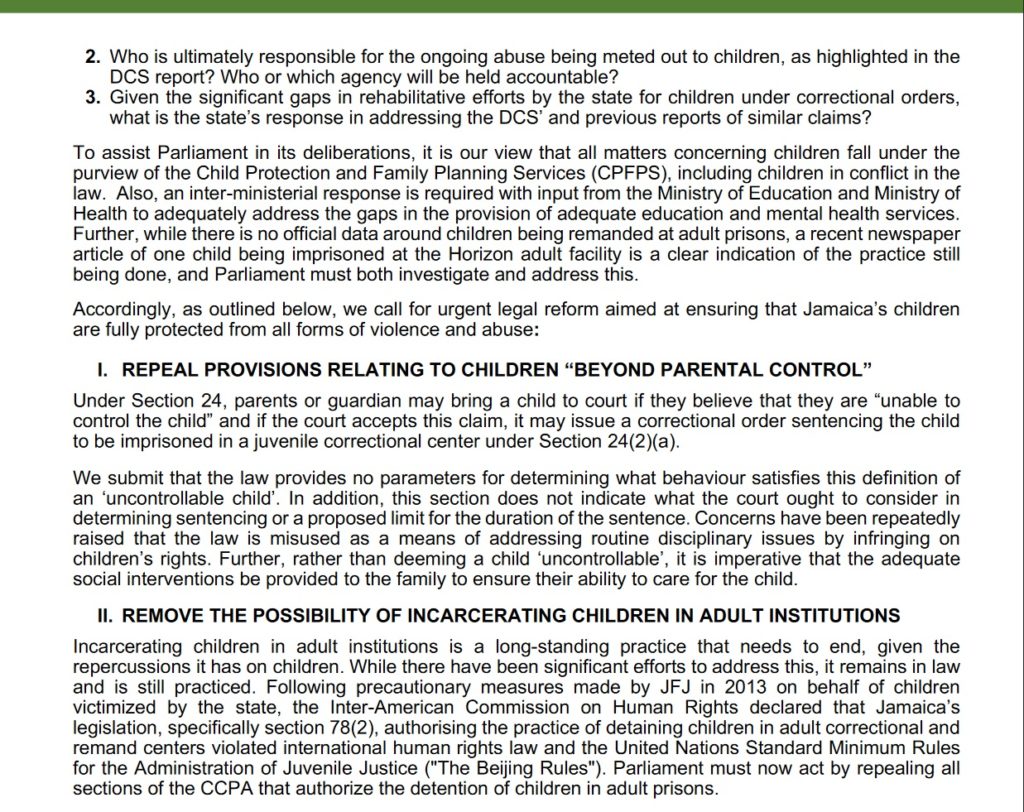
(Statement provided by the office of Jamaicans for Justice) 
(Statement provided by the office of Jamaicans for Justice)


Comments