Omar Wright | Beyond the bag: Jamaica needs more than beach clean-ups to save our shores

/ Our Today
administrator
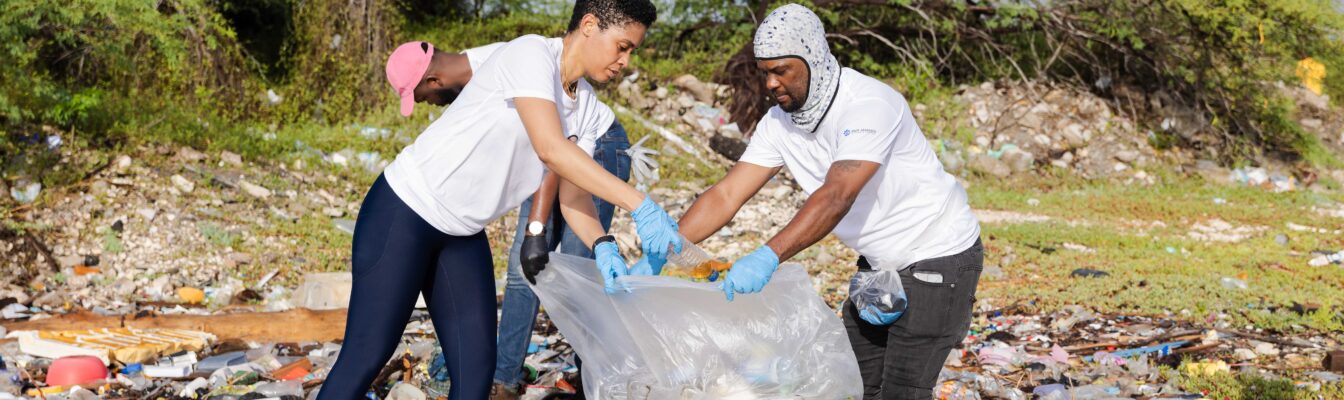
Under the merciless September 20 sun, thousands of Jamaicans joined together across island for International Coastal Cleanup Day.
No doubt, the volunteers hauled off tonnes of plastic bottles, mangled fishing gear and, for sure, a variety of household items that should not be on a beach. Notwithstanding, good vibes and great photos were captured for the ‘gram’.
However, it can be guaranteed that by now another tide of plastic bottles and other debris has already floated to the same shorelines cleaned up weeks earlier and requires another mass cleanup. In short, we are mopping the floor while the tap is still running. There is a need to take the solution further upstream and have a serious conversation about waste collection and management. However, there is another mess that we need to talk about.
The other mess not talked about enough
According to the United Nations Population Fund (UNDP) in a 2025 release titled ‘Jamaica’s future lies in green growth and climate resilience’, Jamaica is characterised as one of the island nations highly exposed to climate change impacts, such as more frequent and more intense storms and hurricanes, longer droughts and sea-level rise.
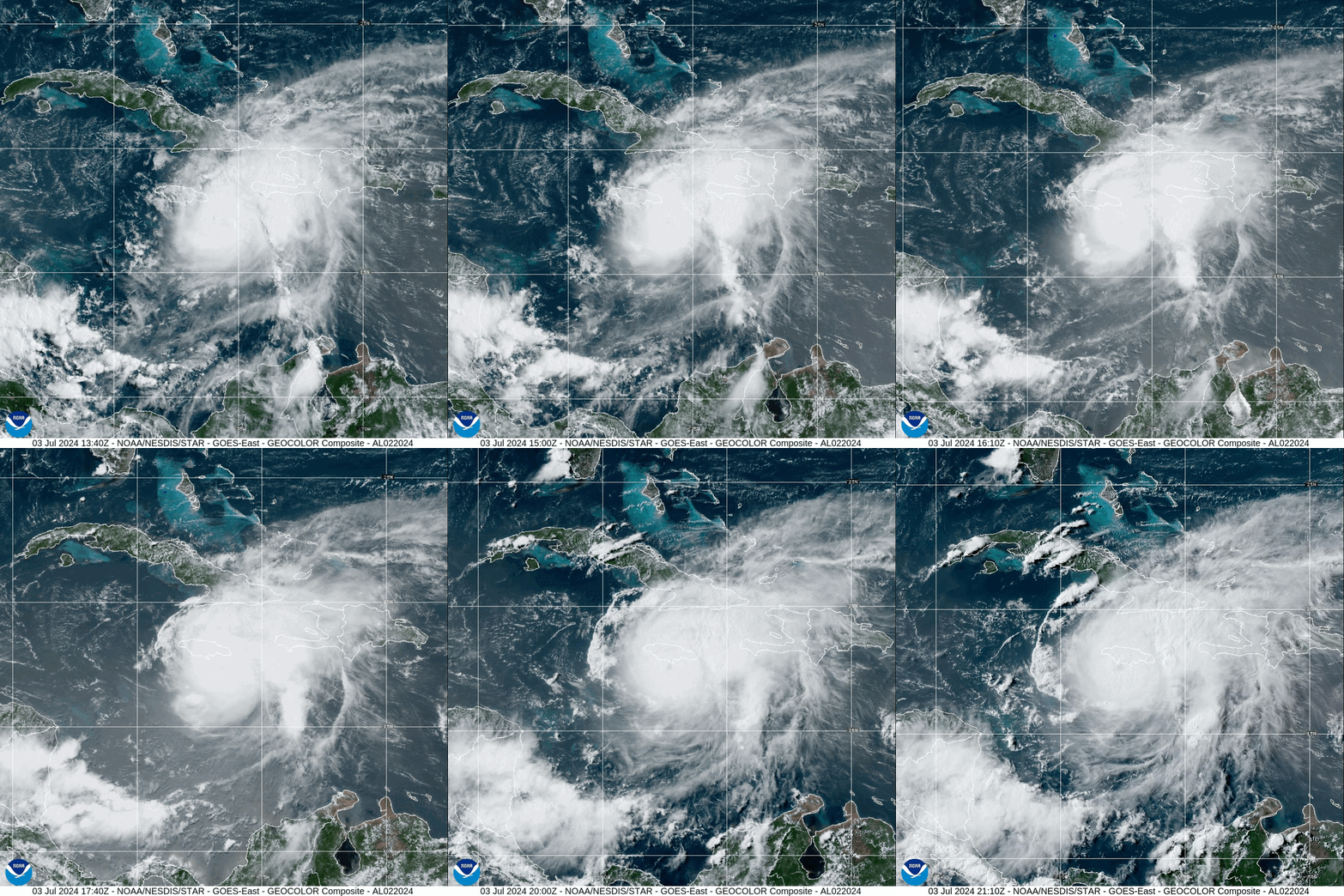
In 2024 alone, Hurricane Beryl affected 45,000 farmers, damaged around 8,700 houses, and affected livestock and fisheries, causing an estimated economic loss of US$6.5 billion. This rise threatens Jamaica’s coastal communities, where most of the population lives, putting homes, livelihoods, and critical infrastructure at risk.
This is a worrying reality that does not receive much attention. Plastic bottles are ugly, but they are symptoms, not the disease.
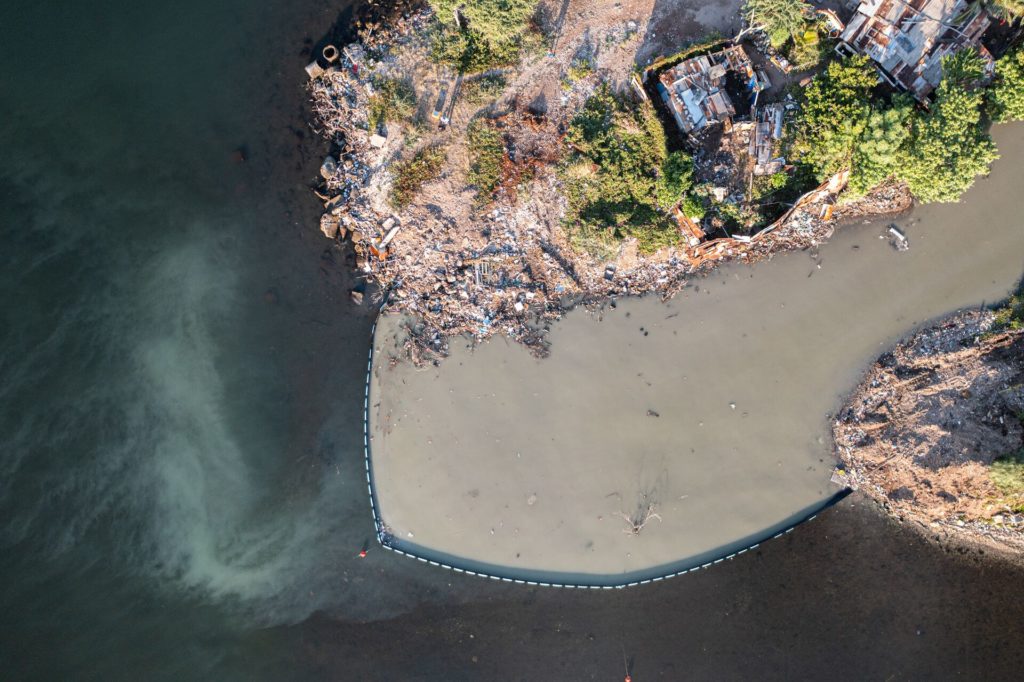
The disease is a coastline left naked by removed mangroves, poisoned by untreated hotel effluent, and battered by stronger storms due to warming seas as the world faces a climate crisis.
What beach clean-ups cannot fix
Beach cleanups cannot address the underlying erosion that is steadily stripping Jamaica’s coasts. Even expensive ‘beach nourishment’ projects are short-lived, and experts warn that collecting and depositing sand for beach renourishment can damage complex ecosystems.
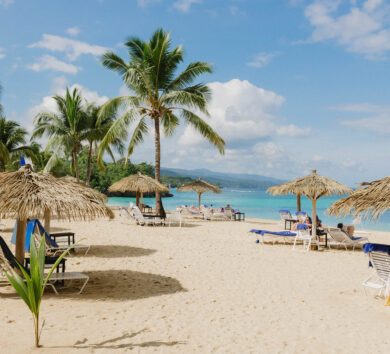
A 2017 Euronews article titled ‘Warming Seas and Jamaica’s Disappearing Beach’, reported that the days of one of Jamaica’s most treasured attractions, Hellshire Beach, may be numbered, due to coastal erosion.
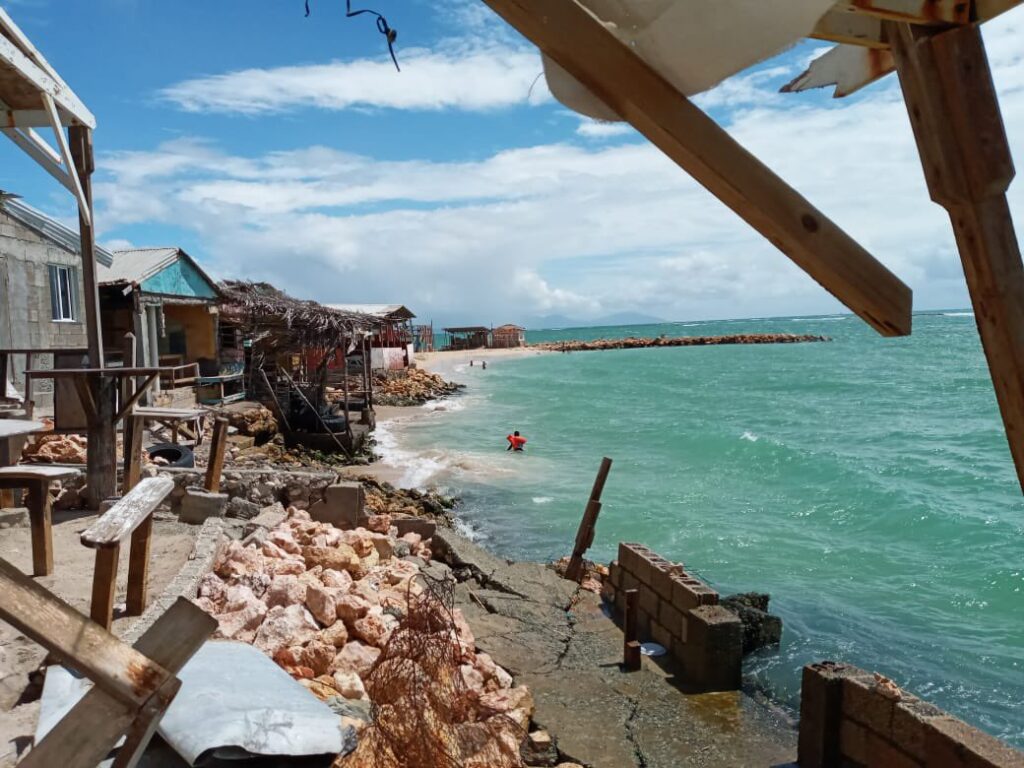
Rising seas also push saltwater inland, contaminating aquifers and irrigation systems that farmers depend on. In Jamaica, the Water Resources Authority has warned that saline intrusion can potentially affect drinking water, agriculture, and ecosystems, such as fish populations. The National Water Resources Master Plan similarly acknowledges that sea-level rise will exacerbate salt contamination, reducing the quality of irrigation water in farming communities.
Climate debt
Perhaps the most invisible legacy of climate change is the cycle of debt left in its wake. Almost every major hurricane in recent decades has forced Jamaica to borrow heavily to rebuild. The Economic Commission for Latin America and the Caribbean (ECLAC) reported that the economic cost of Hurricane Ivan in 2004 alone was so severe that it required billions in reconstruction financing.
More recently, the Planning Institute of Jamaica (PIOJ) reported that due to the adverse impact of Hurricane Beryl and other hydrological events, economic activity for the July to September 2024 quarter contracted. The World Bank’s Advancing Disaster Risk Finance in Jamaica (2018) reported that, on average, in the long term, the Government of Jamaica would need to cover losses of approximately US$121 million (J$16 billion) annually, or 0.84 per cent of Jamaica’s 2015 gross domestic product (GDP) to address its contingent liabilities related to hurricanes and floods.
This locks the country into what activists call “climate debt”, rebuilding the same infrastructure again and again as the seas keep rising and storms become more frequent.
We must be resolute to protect our shores
The national participation in International Coastal Cleanup Day proved we still love our coastline enough to sweat for it. But love without follow-through is just a beach romance, and the sea is a ruthless rival. What Jamaica needs now is not just another cleanup day, but a cleanup decade or two, anchored in bold national commitments.

That means re-sourcing and restoring mangrove forests to shield our shores, building a sustainable waste management plan that tackles the problem at its source and expanding the plastic bottle deposit scheme until no bottle is left behind. These are not luxuries; they are lifelines.
If we provide the same energy we bring to the beach on the third Saturdays in September each year, we can turn environmental stewardship into our culture, resilience into our legacy, and prove that though the seas rise, so will our resolve to protect the shores of our island home.
Omar Wright is a development practitioner with expertise in planning, designing monitoring and executing community development projects. As programme lead at the JN Foundation, he spearheads initiatives that enhance resilience and sustainability across Jamaica.
Send comments and feedback to [email protected].




Comments