OUR finds majority of JPS customers wants closed customer service offices reopened

/ Our Today
administrator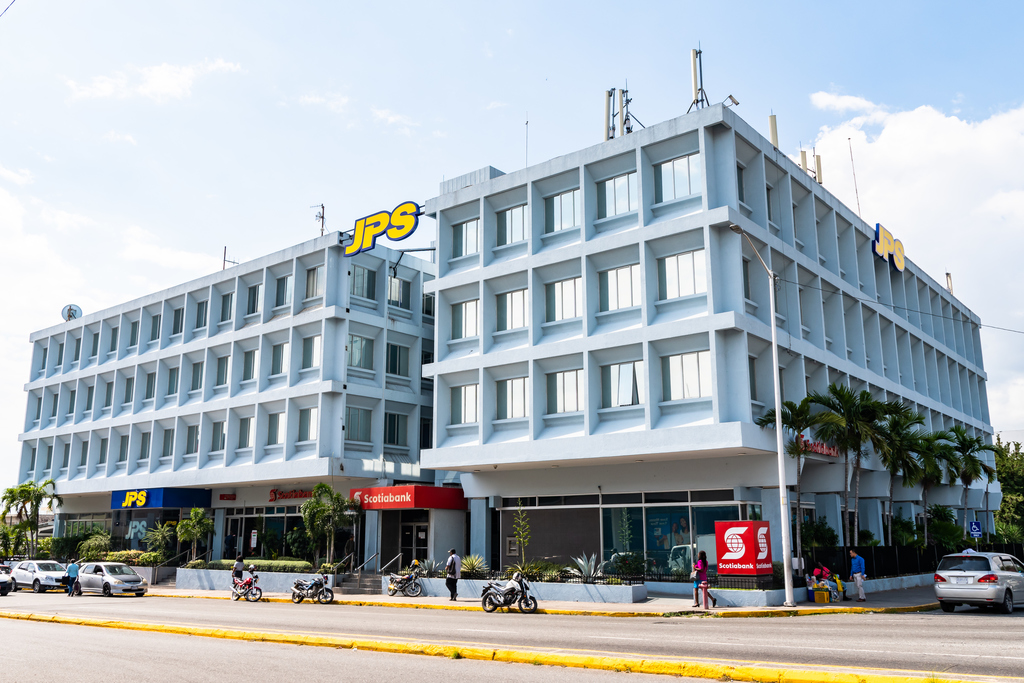
Durrant Pate/Contributor
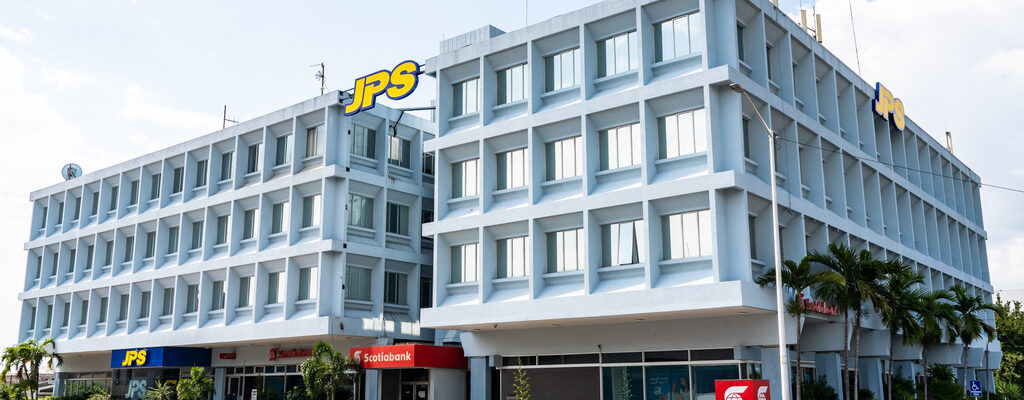
The Office of Utilities Regulation (OUR) impact assessment of the Jamaica Public Service (JPS) decision to close 10 of its 15 customer service offices islandwide four years ago has found a majority of customers wanting these offices reopened, given their dissatisfaction with the available options.
JPS’s explanation for the closures was that dwindling walk-in visits to its CSOs, fuelled by digitisation and the Government and globally imposed ‘no-contact COVID-19 policies, were responsible for this decision, with a majority of customers telling the OUR in its impact assessment that the light and power company’s “other channels” for redress have proven short on satisfying expectations. The OUR’s scientific assessment to determine among other things the impact of the CSO closures on customers, the level of satisfaction with the measures or channels implemented by JPS to deliver customer service, the effectiveness of the measures established by JPS to provide customer service, customer’s ease or difficulty with using the customer service measures/channels established by JPS and whether there are other options through which JPS can deliver customer service.
“The research found that cost, convenience, and access are the main reasons nearly 80% of JPS customers think JPS should reopen some of its offices, despite their satisfaction with intermediary bill payment agencies and other channels. Notably, only five JPS CSOs now serve over half a million customers with only one office each serving the counties of Cornwall and Surrey. The findings of the OUR’s impact assessment research revealed that more than three-quarters (77%) of respondents in parishes with no CSO indicated that JPS should reopen the offices,” the utilities regulatory body stated in its 2024/2025 Annual Report, which was tabled in parliament last week.
More impact assessment findings

One of the main reasons was that JPS customers prefer to pay their bills at the JPS office, which, though time-consuming and costly, remains the favoured method. More than half of respondents in parishes with there is no CSO, 58% reported it took them more than 50 minutes to travel from home to a JPS CSO. The research indicated that despite customers’ satisfaction with the alternative channels, for example, online 77% and Mobile App 87%, 77% of JPS customers in parishes without CSOs want the offices to be reopened. These customers cited cost, convenience and access as the main reasons they wanted the JPS CSOs reopened in their parish.
Considering the findings, the OUR’s recommendations to JPS included a review of the spatial distribution of customer touchpoints, development of a customer solution that satisfies face-to-face/touchpoint requests for specific services, which include new service applications, reporting a complaint and querying a bill Zero-rate. In addition, the My JPS Mobile App, JPS is required to develop an action plan to address the issues with the CSO closures and submit this to the OUR by November 30, 2025.
2024 Mystery Shopping Survey

Utilities customers are still troubled by customer service issues such as long wait times (both in-store and online), poor communication, and poor physical facilities. These are among the findings from the OUR’s latest annual Mystery Shopping research, conducted in 2024. The Mystery Shopping study across the four major utility providers, namely FLOW, Digicel, JPS and the National Water Commission, highlights significant, recurring service challenges that negatively impact customer experience.
The common issues observed include inadequate customer service engagement, inconsistencies in communication, and poor physical and digital infrastructure. While some agents demonstrated professionalism and knowledge, overall, the customer experience was undermined by inefficiencies, lack of accessibility, unclear processes, and poor responsiveness. The 2024 findings revealed an average score of 66%, up from the 54% performance level of 2023 across in-store, call centres, websites, social media, and the mobile app.
The best performing providers were FLOW and JPS, both at 70%. Digicel (82%) and FLOW (89%) had the strongest call centre experience, while in-store customer experience among all the providers hovered between 62% and 78% with Digicel scoring the lowest, moving from 56% in 2023 to 46% in 2024. The overall customer experience for online/digital interface, which includes social media, use of mobile apps, and website chats, has a disappointing average score of 58%.
In particular, the average score for customer experience on social media remained low, moving from 32% to 48% across all service providers. The performance is disappointing in view of the providers’ push to have utility customers conduct business, such as bill payment, service requests, etc., in their digital space. These findings, however, indicate systemic gaps in customer service protocols, operational efficiency, and infrastructure readiness across the service providers.
The OUR reports that the findings also indicate that utility providers could benefit from adopting standardised practices where feasible, enhancing physical and digital infrastructure, and focusing on customer-centric engagement to transform customer experiences. A coordinated effort, the utilities regulator says, is necessary to raise the bar for utility service delivery and ensure consistent, high-quality interactions for all customers across all service providers.






Comments