Pamela Redwood | Breaking the silence: Jamaica must confront dementia with courage and compassion

/ Our Today
administrator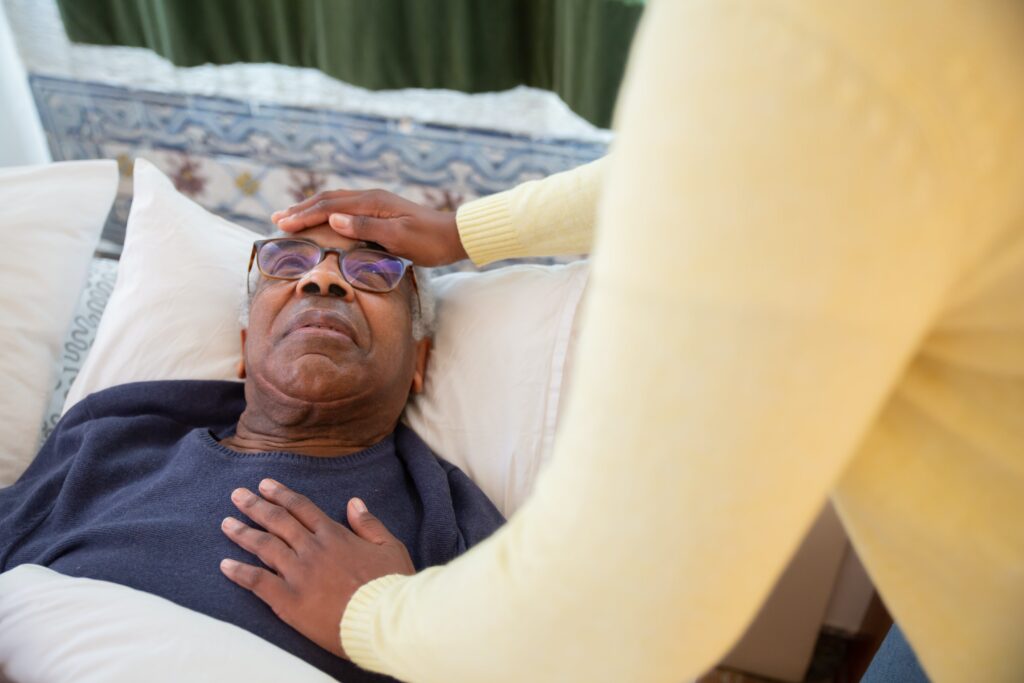
Jamaica is ageing.
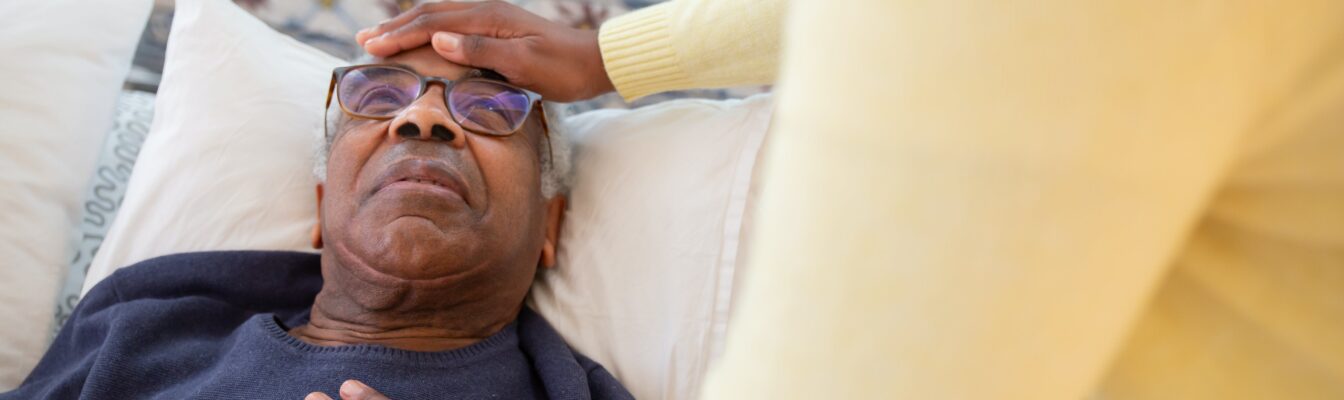
Across our towns and communities—from Kingston to Montego Bay, from rural St. Elizabeth to St. Thomas—more families are quietly caring for elderly parents and grandparents living longer than ever before. A longer life is a blessing. But with longevity comes responsibility. One of the fastest-growing and least discussed realities of an ageing nation is dementia.
We whisper about it.
We hide it.
We call it “just getting old.”
But dementia is not simply forgetfulness. It is a medical condition that affects memory, reasoning, behaviour, and the ability to function independently. It changes families. It changes finances. It changes futures. And in Jamaica, too many are facing it alone.
The silence must end.
Unshaming dementia
In many homes, families feel embarrassed when a loved one begins to forget names, wander, or behave differently. Instead of seeking medical help, we hide it. Instead of early intervention, we normalise decline. That culture of silence delays diagnosis and denies families the support they desperately need.
Dementia is not a curse. It is not punishment. It is not something to hide.
It is a public health issue.
As a nation, we must speak openly about cognitive decline the same way we speak about hypertension, diabetes, and cancer. Public education campaigns are needed to help Jamaicans understand the signs, the risks, and the importance of early medical evaluation.
The burden on families
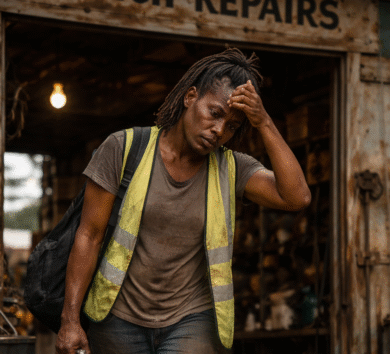
Behind closed doors, caregivers are exhausted.
Daughters leaving jobs.
Sons juggling work and round-the-clock supervision.
Grandchildren becoming primary caregivers.
The emotional, mental, physical and financial toll is enormous. Many homes are not designed for safety. There is limited access to specialised geriatric care. Structured day programmes for persons with dementia are depressingly scarce.
We cannot continue to pretend that families alone can manage what is clearly a growing national challenge.
A call for shared health living facilities
The Government of Jamaica must act with urgency. We need structured, regulated, and affordable shared health living facilities across the island—spaces specifically designed for elderly citizens living with dementia and other age-related conditions.
These facilities should:
- Provide trained medical and caregiving staff
- Offer safe, dementia-friendly environments
- Include rehabilitation and cognitive stimulation programs
- Provide respite services for families
- Be accessible to middle- and lower-income Jamaicans
Public-private partnerships can help finance and expand such facilities. But leadership must come from the state. As our population ages, elder care cannot remain an afterthought in national planning.
Planning for an ageing Jamaica
Dementia care must be integrated into national health policy. This means:
- Increased geriatric training for healthcare professionals
- Expanded memory clinics in public hospitals
- Data collection to understand prevalence and trends
- Social protection programs to assist caregivers
- Community-based support networks
If we prepare now, we protect tomorrow.
A matter of dignity
How a nation treats its elderly says everything about its values.
The men and women now facing cognitive decline built this country. They taught in our schools, farmed our land, staffed our hospitals, drove our buses, and led our communities. They deserve dignity, safety, and compassionate care.
Breaking the silence around dementia is not only a health issue—it is a moral one.
Jamaica is ageing.
Let us age wisely.
Let us age prepared.
And most importantly, let us age with dignity.
Send comments and feedback to [email protected].

Comments