Pamela Redwood | The four missing years the JLP never speaks about

/ Our Today
administrator
When I hear the governing Jamaica Labour Party (JLP) leadership speak about what is wrong with the country, or what supposedly went wrong, I cannot help but remember the four missing years when, for the first time in our modern history, Jamaica was described internationally as a pariah state.
Those were the years when the country drifted into diplomatic isolation, investor confidence collapsed, and Jamaica’s voice on the international stage seemed to fade into near silence.
It is convenient now for some to pretend that history began yesterday. It is fashionable to speak loudly under the pavilion, rewriting the past as though the nation did not stumble into one of the most difficult periods of its post-independence life. But history has a stubborn memory, and the Jamaican people remember more than some would like to admit.

There was a time when Jamaica’s economic credibility was hanging by a thread. The country stood on the edge of financial instability, burdened by debt, uncertainty, and the loss of international trust. It was not rhetoric that rescued the nation from that moment — it was difficult decisions, discipline, and leadership.
Jamaica’s path back from that precipice required engaging the International Monetary Fund (IMF), an institution many politicians prefer to criticise but few have the courage to face when the country truly needs it. Entering an IMF programme is never politically popular. It demands sacrifice, fiscal discipline, and the willingness to make decisions that may cost political capital.
But responsible leadership is not about popularity. It is about stewardship.
Under the leadership of Portia Simpson-Miller, Jamaica chose responsibility over denial. She understood that restoring Jamaica’s credibility required honesty about the country’s economic condition and the humility to work with international partners to stabilise the nation’s finances.
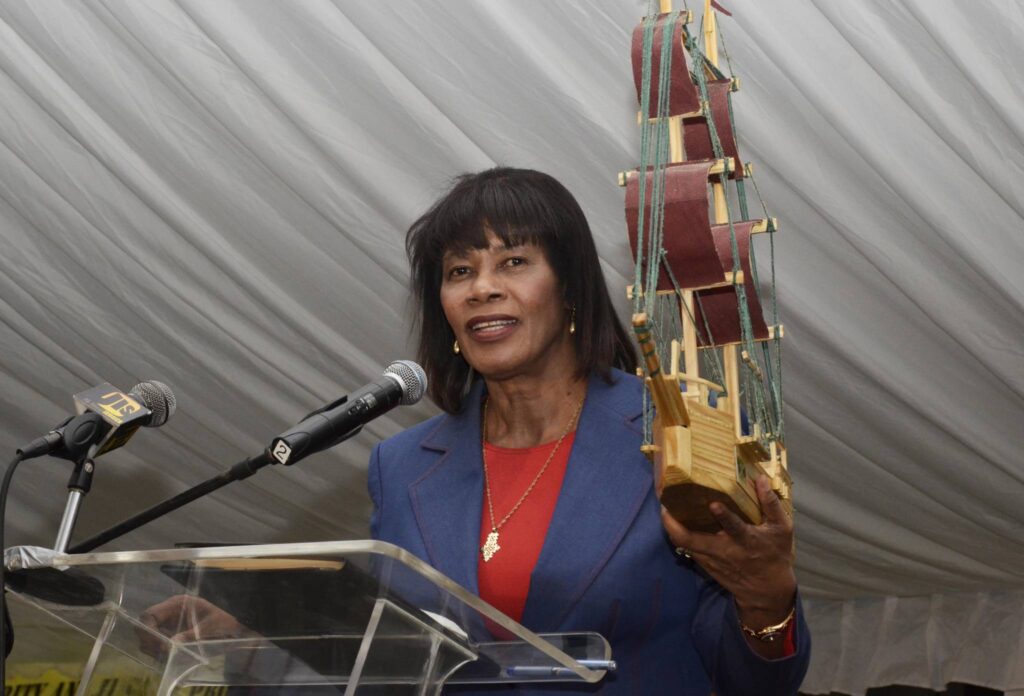
One of the most telling decisions of that period was her appointment of Dr Peter Phillips as finance minister to lead the negotiations and implementation of the IMF programme. That decision was not made in comfort. It was made in maturity.
It is worth remembering that the very same year Phillips was appointed, he had challenged her for the leadership of the party. Many politicians, driven by ego or insecurity, would have responded with exclusion. Many would have placed loyalty above competence.
But mature leadership does not operate on personal resentment. It operates on national necessity.

Portia Simpson-Miller placed the country before personal rivalry. She understood that Jamaica required steady hands and experienced leadership at the Ministry of Finance to navigate the harsh realities of fiscal reform and IMF oversight. The reforms were not easy. They required restraint in public spending, structural adjustments, and the rebuilding of confidence among international partners and investors.
The process was painful, but it restored credibility. Jamaica once again became a country taken seriously in global financial circles. The discipline of that period laid the foundation for the economic stability that others later inherited.
Yet today, under the pavilion of political convenience, some speak as though that history never existed. They critique outcomes while ignoring the storm that had to be navigated to reach calmer waters.
The truth is simple: leadership is tested not when the seas are calm, but when the country is drifting toward the rocks.

During that difficult chapter, Jamaica was pulled back from the brink through a combination of courage, discipline, and respect for democratic principles. It required a leader willing to appoint a rival for the good of the country and a team willing to endure the hardship of reform.
Those who gather under the pavilion today to speak loudly about Jamaica’s future would do well to remember Jamaica’s recent past. Because credibility, both at home and abroad, is not built on speeches.
It is built on decisions — especially the difficult ones.
Send comments and feedback to [email protected].



Comments