Pamela Redwood | Who failed Jamaica’s women?

/ Our Today
administrator
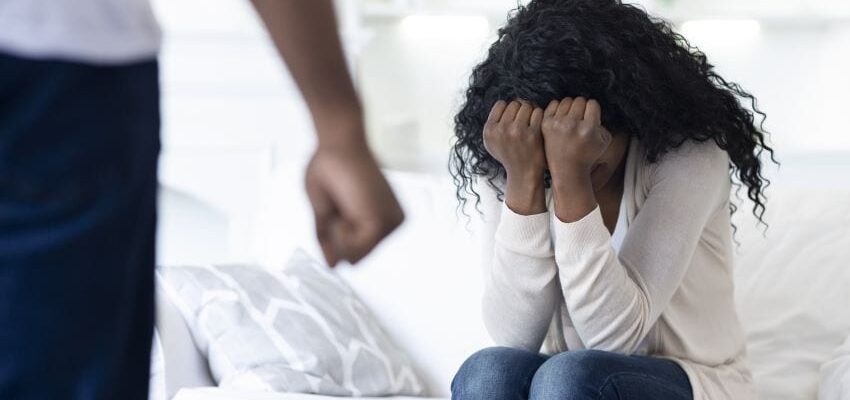
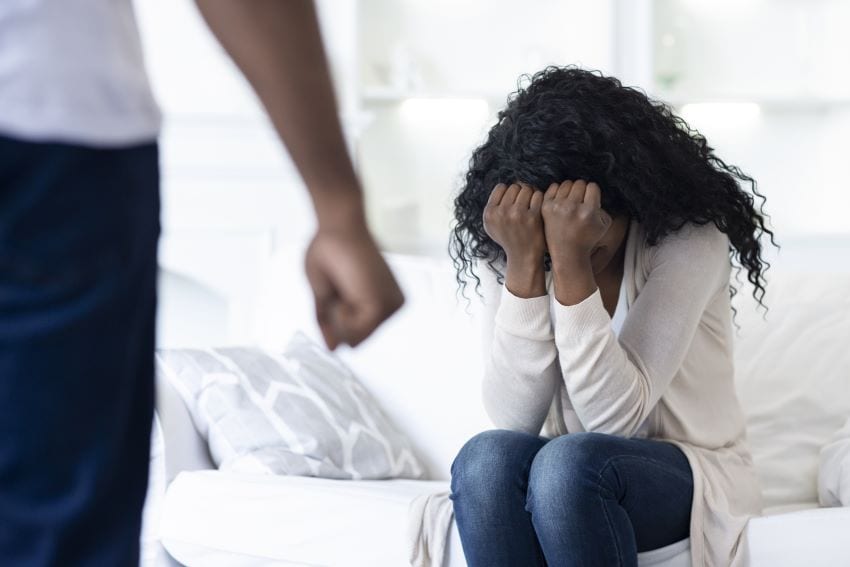
For far too long in Jamaica, domestic violence and femicide have been treated not as national emergencies, but as private matters — whispered about, excused, and normalised.
“She must have done something.” “A woman must submit.” “That’s how some men stay.” These are not just careless comments; they are the cultural soil in which abuse grows.
Behind closed doors, too many women live in silent terror. The abuse is not always a slap or a punch at first. It begins with control. With insults. With humiliation. With isolation. With the slow breakdown of a woman’s confidence until she begins to believe the violence is her fault. Mental abuse. Verbal abuse. Emotional abuse.
Financial abuse. Then physical abuse. And too often, the final chapter is written in blood.
And when a woman dares to break the cycle? When she speaks? When she leaves? Society often punishes her again. She is called every derogatory name. She is accused of destroying her family. She is shamed more than the abuser. Generational trauma and cultural conditioning have taught many women that suffering in silence is a virtue, and speaking up is rebellion.
So we must ask, honestly and uncomfortably: who failed our women?
Is it the family structures that teach girls to endure but boys not to control themselves?
Is it the communities that “hear the quarrel” but say, “Mi nuh waan get involved”?
Is it the churches that preach submission louder than safety?
Is it the state that still treats protection orders, shelters, and counselling as secondary priorities?
Or is it the society that turns women’s pain into gossip instead of action?
We cannot hide behind annual speeches and symbolic gestures. Every November 25th we wear orange, we host forums, we issue statements condemning violence against women. Yet the killings continue. The abuse continues. The fear continues. Awareness without transformation is performance.
Where is the sustained national strategy that goes beyond slogans?
Why are healthy gender relations, consent, emotional regulation, and conflict resolution not taught at every level of our education system — from basic school to university? We teach math formulas and exam techniques, but not how to handle rejection, jealousy, anger, or power. We are producing academically certified young people who are emotionally ill-equipped for relationships.
Prevention must start long before a woman is hiding bruises or planning her escape.
We must teach boys that masculinity is not control, not dominance, not ownership of a woman’s body or life. We must teach girls that love does not require suffering, and that leaving abuse is not failure — it is survival. We must equip teachers to identify warning signs. We must fund social services properly. We must strengthen community accountability, not community silence.
And women themselves must be freed from shame. Abuse is not a private disgrace; it is a public crisis. A woman who speaks out is not “washing dirty linen” — she is breaking a chain that has strangled generations before her.
The question is no longer whether this is a problem. The funerals have answered that.
The real question is whether Jamaica is ready to confront the beliefs, systems, and silences that protect abusers more than victims. Because until we do, we are not just failing women.
We are failing as a nation.




Comments