Professor Leroy Fearon | Building bridges: Caribbean education and a shared future with China

/ Our Today
administrator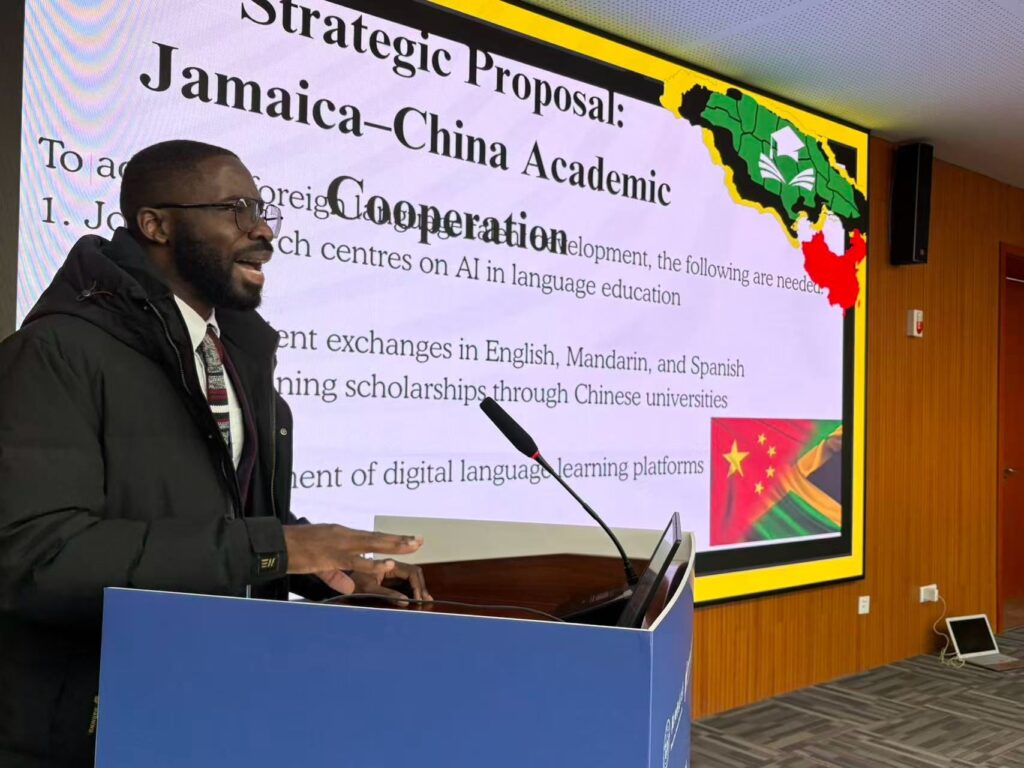
During my recent study tour at Hangzhou Normal University, I had the profound honour of engaging with distinguished professors, scholars, and students at the Institute of Caribbean Studies.
As a guest of Professor Min Zhou, dean of the School of International Studies and director of the Centre for Caribbean Studies, I shared perspectives on Caribbean education, culture, and the growing opportunities for China–Caribbean cooperation.
What emerged from our discussion was a powerful reminder that although our regions are separated by oceans, our aspirations for education, development, and global partnership are remarkably aligned.
A meeting ground of curiosity and cultural respect
One of my earliest observations in the seminar room was the genuine curiosity of the Chinese faculty and students. Few had visited the Caribbean, yet many expressed interest in studying, researching, or working in the region. This curiosity matters—it is the foundation of meaningful international cooperation. It tells us that dialogue between China and the Caribbean is not only possible but deeply welcomed.
The Caribbean, though geographically small, is expansive in cultural influence and historical contribution. Our region is built on diversity—African, Asian, European, Indigenous, and Middle Eastern heritages weave together into a rich social fabric. Jamaica, for instance, is home to one of the oldest Chinese diasporas in the Western Hemisphere. This long-standing connection positions us well for deeper cultural exchange.
Caribbean education: Reform, resilience, and global ambition
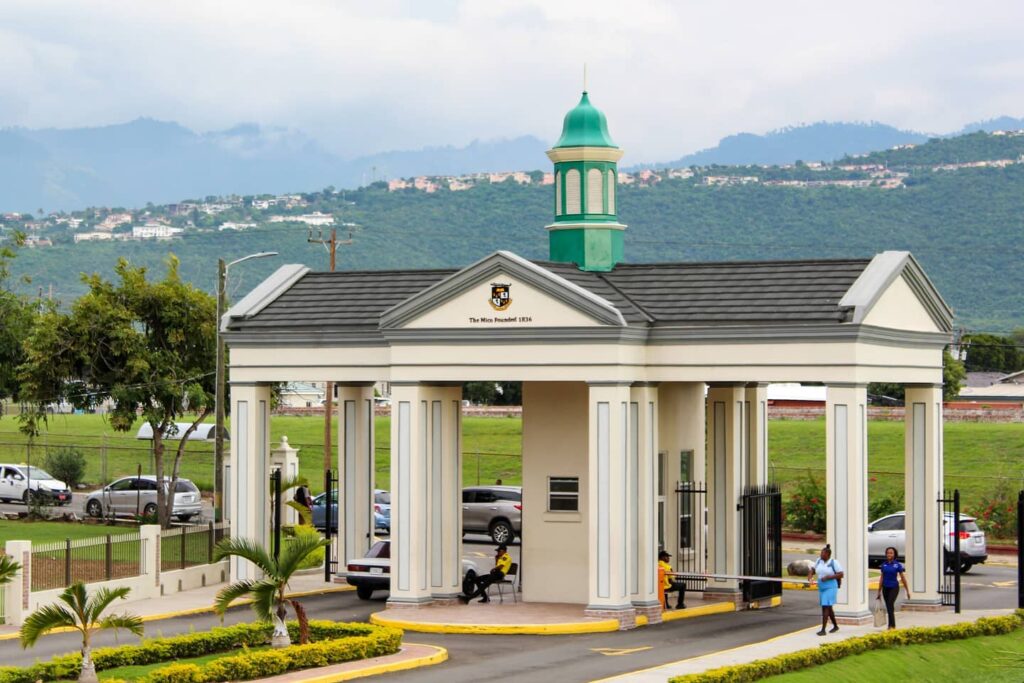
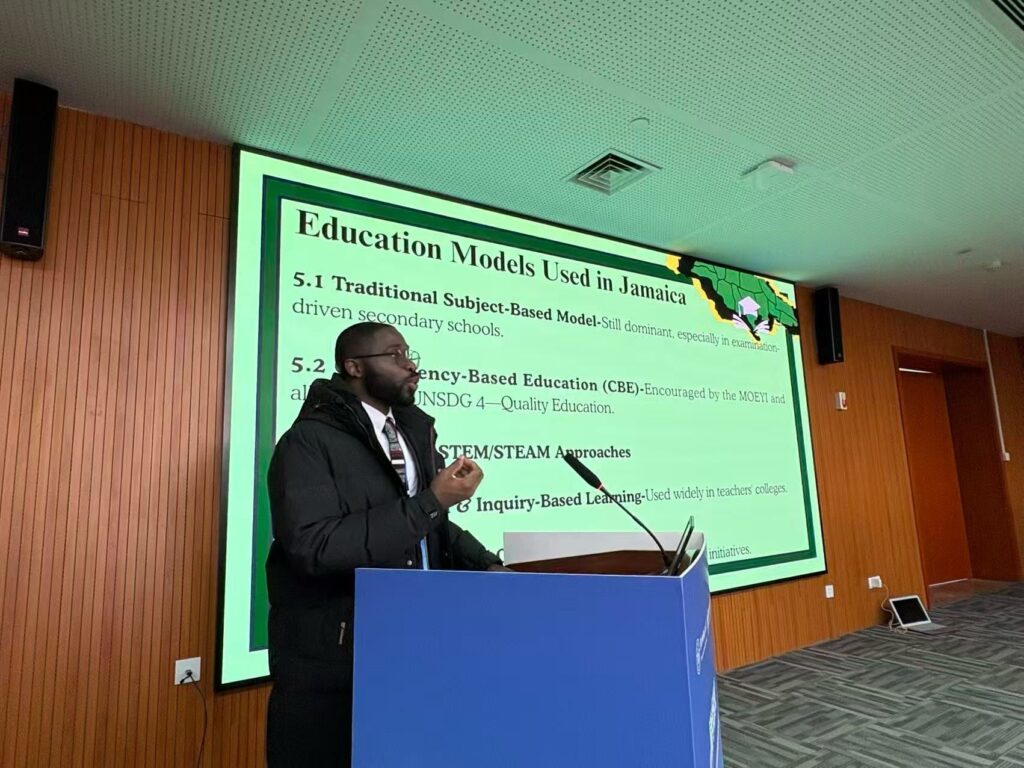
In sharing insights from Jamaica’s education system, I emphasised our commitment to teacher training, equity, and internationalisation. At the Mico University College, where I serve, we focus heavily on competency-based preparation, digital pedagogy, and equipping future teachers for a global world. Across the wider Caribbean, education continues to be viewed as the pathway to social mobility and national development.
We are also managing modern challenges—climate vulnerability, economic disruptions, and demands for more inclusive educational approaches. New research, such as our study on the lived experiences of parents of special needs children, highlights our commitment to human-centred policy development.
Increasingly, our region has embraced internationalisation as a key strategy: expanding language programmes in Spanish and Mandarin, developing cross-border curricula, and fostering student mobility. Chinese universities, with their strengths in technology, research, and multicultural academic engagement, represent ideal partners in this effort.
China and the Caribbean: Toward a shared future
In my presentation, I proposed that our shared future rests on three pillars:
1. Cultural understanding
Beyond popular imagery of beaches, reggae, or athletics, I invited students to see the Caribbean as a space of intellectual depth, creativity, and innovation. At the same time, Caribbean societies deeply admire China’s discipline, philosophy, and technological advancement. This mutual appreciation can deepen cultural exchange.
2. Educational collaboration
Joint research, Mandarin–English exchange programmes, shared curriculum development, and academic mobility can revolutionise learning in both regions. The very seminar in Hangzhou was a living example of how knowledge exchange builds bridges.
3. Shared innovation for development
The Caribbean can learn from China’s advancements in digital transformation, rural education, and infrastructure. China, in turn, can draw on the Caribbean’s expertise in cultural industries, sustainability practices, and resilience. This relationship is not directional—it is reciprocal and enriching for both sides.
A partnership built on people
As we prepared for a cooperation memorandum, I reminded participants that collaboration extends beyond institutions—it rests on people. People who are willing to imagine new possibilities, share knowledge, and create opportunities for students yet to come.
My visit to Hangzhou Normal University was not simply an academic exchange; it was a bridge-building moment between two regions that share more in common than they may realise. I returned to Jamaica with deep optimism: optimism for expanded research partnerships, new student pathways, and a stronger China–Caribbean academic community.
Our shared future begins with moments like these—moments of conversation, curiosity, and connection. And it is in this spirit that I look forward to continued collaboration, learning, and mutual growth between China and the Caribbean. Let us continue to build these bridges—together.
Professor Leroy Fearon is the acting dean of the Faculty of Education at the Mico University College. Send feedback and comments to [email protected].



Comments