
SCT on sugary drinks should be structured in a way that encourages reformulation- GraceKennedy boss

Al Edwards / Our Today
administrator
The tax on sugary drinks has raised plenty of debate as the Government of Jamaica seeks to raise more revenue to rehabilitate the country in the aftermath of Hurricane Melissa.
Many of Jamaica’s leading food and beverage manufacturers produce drinks with sugar content, and this new tax will have an impact on their earnings.
GraceKennedy’s Group CEO Frank James addressed the matter at an investor briefing last week.
He said, “Any tax on beverages will impact pricing. Before this tax was imposed, we at GraceKennedy have been employing ways to reduce sugar content where it is possible while maintaining flavour and quality for consumers.
“We are mindful of the Government’s drive around health, and we have been doing likewise.”
GraceKennedy is increasingly rolling out healthier alternatives and giving consumers a choice.
The Government of Jamaica is introducing a new special consumption tax (SCT) on sugar in sweetened beverages of J$0.02 per millilitre starting in the first quarter of the 2026/27 fiscal year. The tax aims to raise J$10 billion and applies to sodas, fruit-flavoured and other sugary drinks, both locally manufactured and imported, like Coca Cola, for instance.
This will add an additional J$12 for a standard 600 ml soda. The SCT is collected at the point of manufacture for domestic goods and at customs for imports.
James continued: “The special consumption tax on drinks with sugar should be structured in a way that encourages reformulation. The way it is structured today doesn’t really drive that. There isn’t a differential tax depending on the level of sugar. That’s something that would drive the behaviour we want as we are mindful of the health considerations.”
Echoing James sentiment on the matter was Opposition Spokesperson on Finance, Julian Robinson, when he addressed the matter during his presentation on the budget in parliament last week.
Robinson said: “I want to address the J$10 billion levy on sugary drinks because the Government has justified it as a public health measure, and that justification deserves examination. We share the concern about the impact of sugar on the population and how that is impacting our healthcare system.
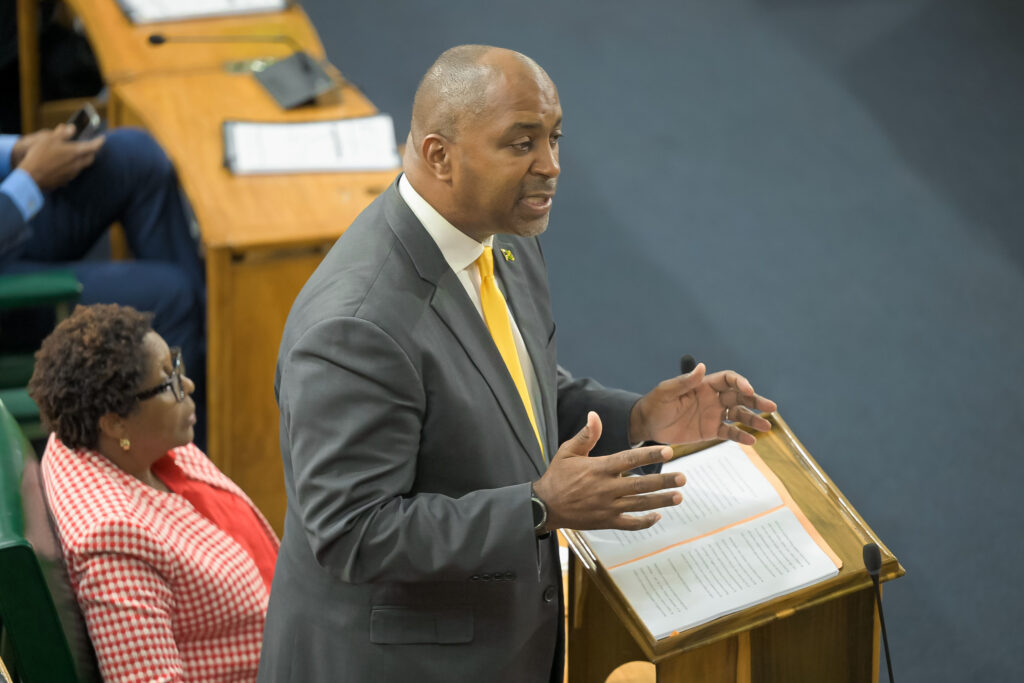
“The level of sugar consumption deserves serious policy attention. However, where we part with the Government is what is being prescribed as the solution to that problem. If the primary concern is about reducing sugar outcomes, the Government has effective tools to do so. The Government can mandate local manufacturers and importers to reformulate their products so that sugar content is reduced in those products.
“They can provide a time frame by which manufacturers and importers do so because it will obviously require some time before they can reformulate what they produce. This would reduce the [amount of] sugar people consume, and the government can do that. The government is imposing this tax on the assumption that there will be no reduction in the consumption of these drinks. The Government anticipates it will get J$10 billion from the consumption alone, which means they do not believe there would be health benefits from this new tax, because if there were, there would be a reduction in consumption.
“The reality is the persons who consume these drinks do so not because they are not concerned about the sugar content, but the reality is the alternatives are outside of their reach, whether it be coconut water, natural juices or other things. Given their disposable income, they do not have a choice.”



Comments