
Sunday Sips with HG Helps | ODPEM and Richard Thompson, good move to encourage farmers, countries could assist with residency, and Alick Athanaze’s kind words

/ Our Today
administrator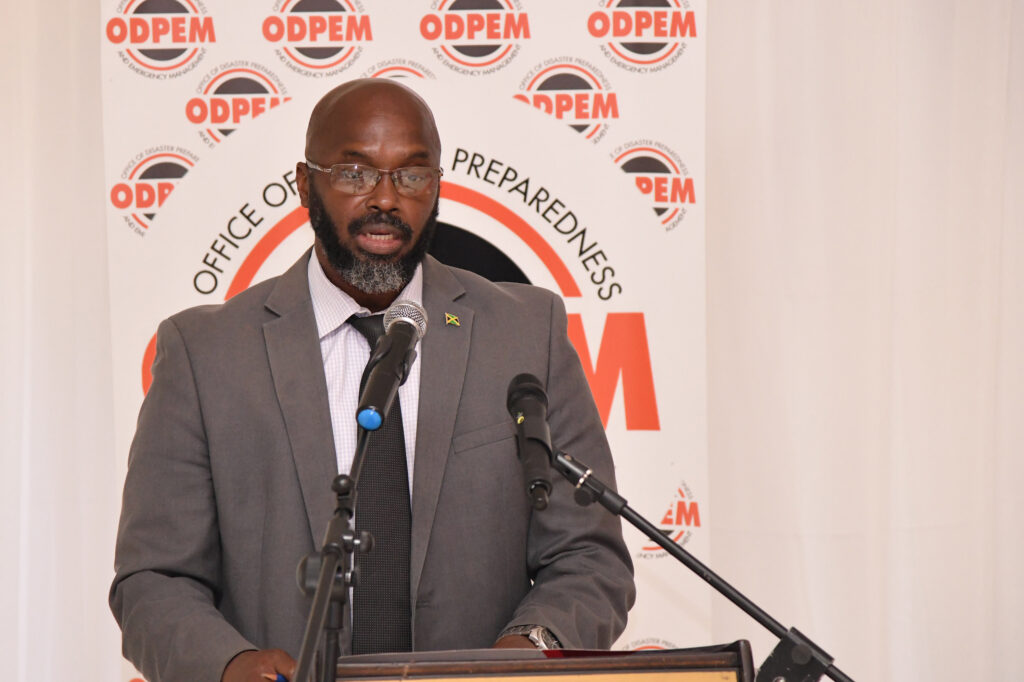
ODPEM’s movement and sidelining of Richard Thompson
The move to send Richard Thompson, acting director general of the Office of Disaster Preparedness and Emergency Management (ODPEM), to push paper at Jamaica House, and second JDF officer, Commander Alvin Gayle, to serve as the agency’s head, is a curious one.
Not even a second after the announcement was made last week, my cautious frown came to the forefront. Why was Thompson being shifted, or replaced? Was the move a political or necessary one? Why would the prime minister want to put ODPEM under his command or care when there are so many other things that he has already become involved with?
ODPEM previously fell, by way of reporting, under the Ministry of Local Government (Community Development now added). Does it mean that due to the movement, the minister and co-chairman of the no-brainer, all-Cabinet national recovery committee ought to be shaken up too? Or perhaps transferred, seeing that information has surfaced that ODPEM never ever got its necessary human and operational resources?
Isn’t this the same agency that saw another man, Leslie Harrow, quitting the job as director general after six months in 2021, with speculation rife about political interference?
From my investigation, Richard Thompson is being used as a scapegoat. Those in the area of disaster management have described him as a top-shelf professional whose solid knowledge in disaster management is unquestionable. He has been acting as director general, on and off, since 2019, based upon my checks, and I wonder if he is not on solid legal ground to fight his demotion.
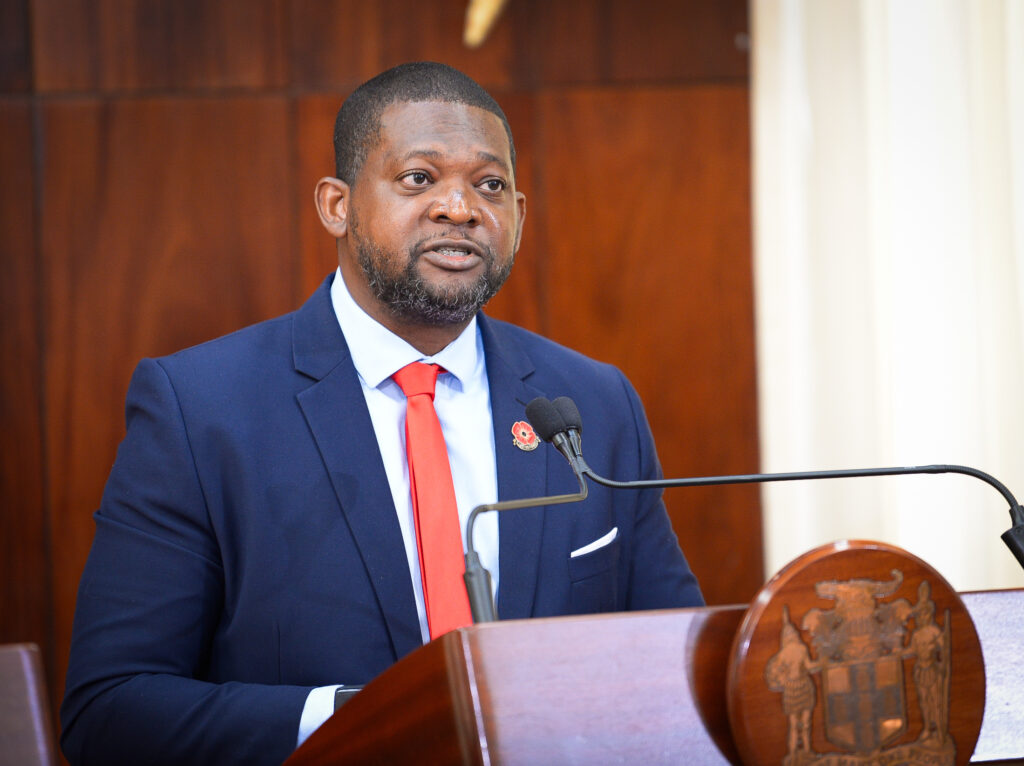
Former director general of the ODPEM, Dr Barbara Carby, a professional who has impressed me over the years in interviews with her, or through her public statements, is one of those who has slammed the decision to replace Thompson with a Jamaican Green Beret. Now, this is a woman who has never positioned herself in the lane of controversy and bashing of officials. So when she steps out and makes a statement such as that of last week, in which she, among other things, said there was a risk in mixing up politics with operations, you must know that she was not playing around.
She even cited the age-old problem of staffing at ODPEM, which was even the case in her time at the agency, as politicians often think that ODPEM has very little to do for most of the year, if there is no hurricane, tropical storm or earthquake. Isn’t that where the ‘preparedness’ side comes in?
At a time like this, it might not be ideal for a prime minister to be in charge of the national disaster agency, through which donations, for example, are managed. As things are now, it is a delicate matter, and with rumours already flying about skullduggery and biased distribution, having the prime minister heading up ODPEM might not be good, considering the immediate mission.
That is why the need for a broad-based, inclusive committee, similar to what was established by PJ Patterson and led by Danville Walker after Hurricane Ivan in 2004, is critical. That inclusive group could take on the matter of donation management and allow ODPEM to focus more on technical issues affecting the thousands around us who are badly affected.
The longer the Government delays on this one, the tougher it will be for the nation.
Good plan by Government to encourage more farming in some parishes
Last week, Prime Minister Andrew Holness called on farmers in the other parishes that were not as badly hit to play the lead role in growing crops that will go a long way in filling the gap created by Hurricane Melissa’s bashing of St Elizabeth, St James, Trelawny, Westmoreland, Hanover, Manchester, and St Ann in particular.
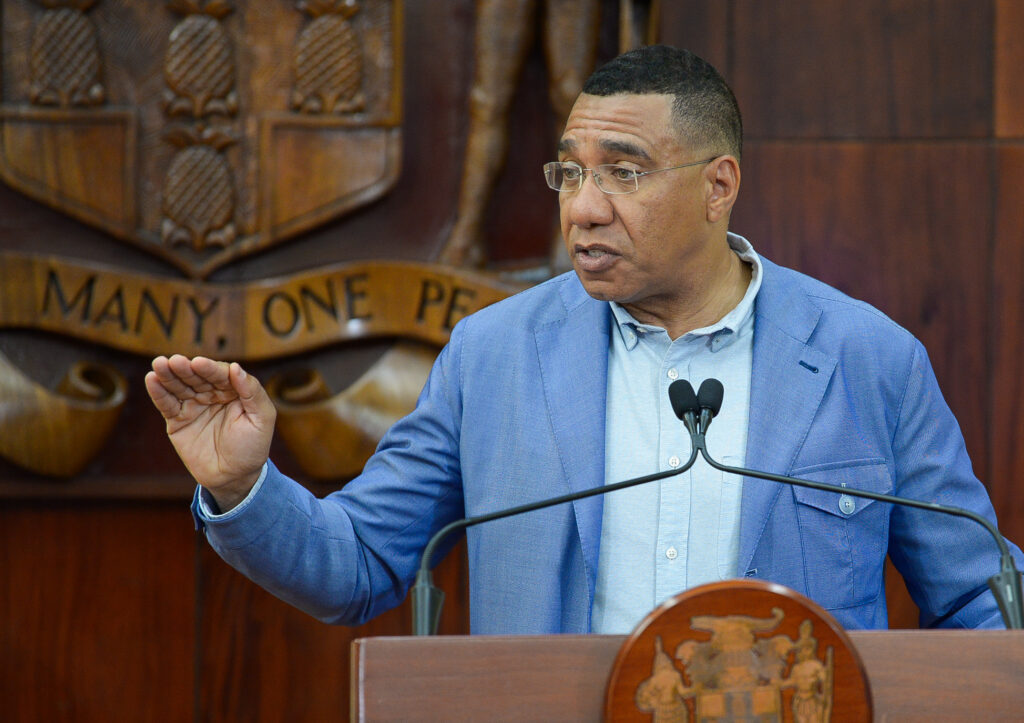
Very good idea it is, indeed. There was even a hint that the State would assist with the relevant resources, like seeds, suckers, fertilisers, pesticides and other material to farmers in parishes like St Mary, Portland and St Thomas, for that wish to become reality.
It is not to say that farmers in some of the parishes mentioned for growth did not suffer from Melissa’s huffing and puffing. They all did. Farmers in every parish got hits to their agricultural properties, including me. But the road to recovery will be much easier for those.
Such a suggestion must be followed up with energy, and the Ministry of Agriculture and Fisheries, possibly through the Rural Agricultural Development Authority (RADA), must now take the baton and run quickly with it. Every farmer who not only owns farm land, or has a lease on it, should be brought in on the action. It must never be about who is aligned with the ruling party or who is close to agriculture officials; it will get planting material.
I am ready to walk into the RADA office in Port Maria, which provides technical leadership in agriculture in the parish of St Mary under the brand of the Ministry of Agriculture, and outline, in detail, the crops that would be more feasible and relevant to plant, under the circumstances.
Hopefully, without much red tape and bureaucracy, I others and will get the ball rolling again and place greater emphasis on food security in light of Melissa’s cruelty.
In days, weeks, months and years to come, Jamaica will have fierce challenges with controlling inflation, improving employment, implementing capital projects, being able to keep interest rates in check, and tackling crimes like praedial larceny, burglary and others, as sections of the populace get desperate. It is key that a productive arm like agriculture is given whatever tools and incentives are available to get the job done.
Countries could offer temporary lodging to Jamaicans suffering from Melissa’s pain
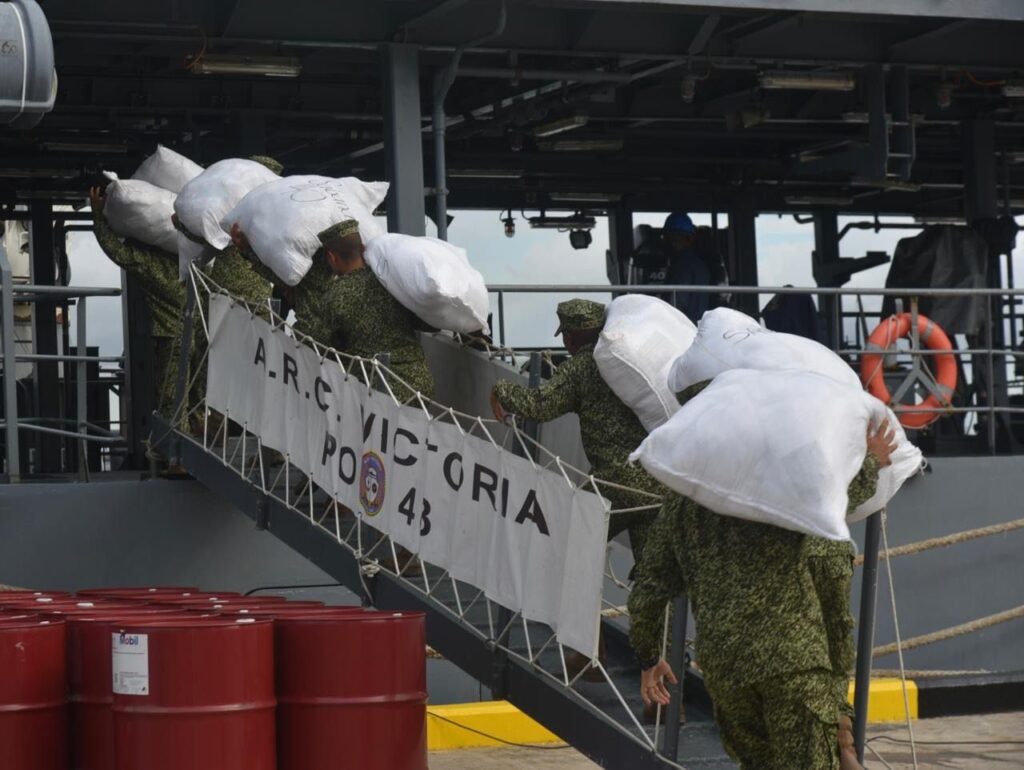
Countries across the globe have done splendid work in supplying Jamaicans who have suffered badly from the effects of Hurricane Melissa with gifts of all sorts.
The gifts and pledges to follow have come from countries that include Venezuela, the United States, China, Japan, Barbados, Colombia, Trinidad & Tobago, the United Kingdom, Cuba, the European Union, Canada, and others.
Prominent individuals, too, among them entertainer Shaggy, have stepped forward.
But maybe one of the things that other Governments could offer, or an approach that the Jamaican government could make, is moving some of the deeply affected citizens to other global spaces, where they could make a fresh start and rebuild from there.
That would not only ease the burden on the utilisation of resources that will, naturally, become scarcer than they are now, but would, in the end, result in a swelling of remittances for the battered land.
If such a system were to be accepted and implemented, there would be the natural and obvious complications surrounding how people are chosen to go abroad. However, it would not be as difficult if the right moves are made.

Maybe the political parties would not want some of their loyal supporters to leave our shores, mainly because of the important factors of securing those vital votes in a low-voting environment, when the time comes to mark the ‘x’. But that should be a minor consideration.
It is estimated that around 600,000 people were displaced or otherwise affected by Melissa’s fury. If, for example, 10 per cent of that number could be ‘adopted’ by some countries, it would benefit Jamaica significantly. The United States could accommodate at least 25 per cent of that number, underpopulated Canada, another 25 per cent; the UK 15 per cent, and other countries in Europe, Africa and the Caribbean, the remaining 35 per cent.
To some, this idea might sound far-fetched, if not impossible. But it can work.
Dominican cricketer Alick Athanaze’s kind words to Jamaica
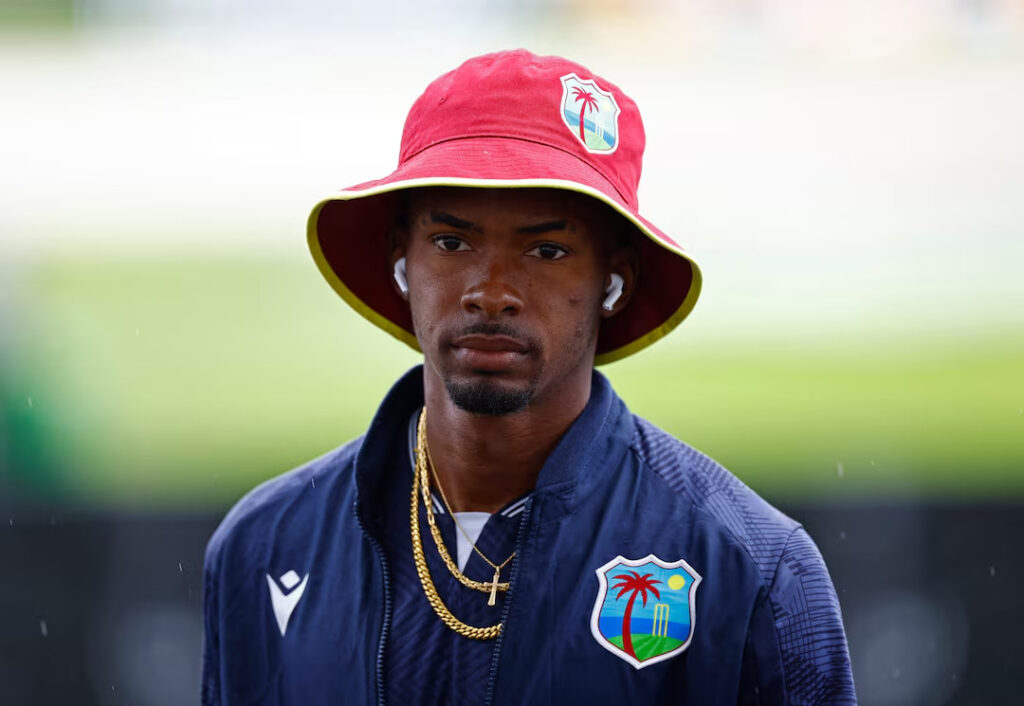
Dominican national cricketer Alick Athanaze, who is representing the West Indies on the team’s tour of New Zealand, having wrapped up one in Bangladesh, came out recently in a televised statement, encouraging the people of Jamaica to effectively ‘hang in there’, after the debacle of Hurricane Melissa.
Athanaze, at 26, knows what it is to have gone through a powerful weather system. Eight years ago, after he had proven himself as a member of the West Indies under-19 team, Athanaze and his family suffered serious damage to their house, following the passage of category five Hurricane Maria. In fact, 98 per cent of roofs in that country either found different addresses or had to undergo major reconstructive surgery to remain relevant. Further, 95 per cent of Dominica’s housing stock was damaged.
The government confirmed the deaths of 68 citizens over time.

Agriculture, including the forestry industry, banana, coconut and others, was wiped out. The most naturally beautiful island in the Caribbean, to me at any rate, faced an uncertain future. But the just over 69,000 inhabitants have been rebuilding, including introducing more hurricane-resistant houses.
It has been a long journey, but Dominicans, from the capital Roseau in the southwest to Melville Hall in the northeast, are resilient.
Jamaicans are also resilient and strong. They, too, shall overcome.





Comments