
The JCF would do well not to harm itself from within-Dr Blake

/ Our Today
administrator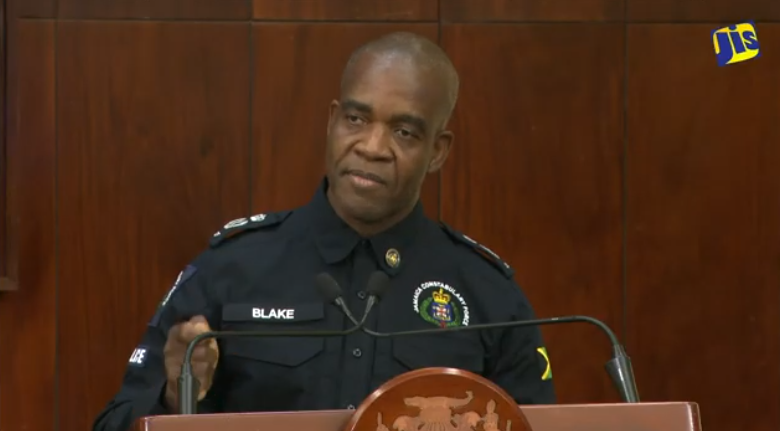
Anthony Henry (Contributor)
Police Commissioner Dr Kevin Blake has issued a stark reminder that the Jamaica Constabulary Force’s (JCF) most serious threats are not simply external pressures, but internal conduct that damages credibility and public trust.
In his latest Force Orders column, Dr Blake did not hedge his language. Without naming specific cases, the Commissioner described many of the organisation’s challenges as “self-inflicted” and warned that internal failings can erode progress in crime reduction and institutional reform. His message arrives at a moment when the Force continues to make measurable gains against criminality, even as it confronts troubling reports of misconduct by serving officers.
“Much of the challenges that we have faced are caused by our very own,” Dr Blake wrote, framing the danger as rooted within rather than imposed from outside. He stressed that leadership is not merely about authority, but about embodying values that reinforce the organisation’s mission.

That warning carries fresh weight given developments this month in which serving police personnel have been arrested or charged with criminal offences.
In early January, a police inspector attached to the Counter-Terrorism and Organised Crime Investigations Branch was taken into custody during an anti-narcotics operation in St Andrew, and subsequently charged with possession, dealing, conspiracy and trafficking of cocaine after about 12.5 pounds of suspected cocaine were found in his vehicle. He was later granted bail pending further court appearances.
Separately, a police constable assigned to the Westmoreland Division was arrested on suspicion of firearms-related offences during coordinated operations targeting illegal ammunition movement in Hanover and Westmoreland, and remains in custody as investigations continue.
Just days before the end of January, Senior Superintendent of Police Wayne Cameron was also charged with multiple counts of fraudulent conversion and larceny related to alleged financial irregularities connected to the Police Officers Association (POA). He was granted bail and relieved of frontline duties pending court proceedings.
These incidents have drawn intensified internal scrutiny. In one instance, an audit of the CTOC branch’s storage facilities uncovered illegal parcels of cocaine, prompting a separate investigation and structural changes within the Force’s oversight arrangements.
Commissioner Blake’s column underscores why such matters matter institutionally. “There is absolutely no place in representation for persons who lack integrity, discipline, credibility, and honesty,” he wrote a line delivered without qualifiers, reaffirming his position that ethical standards are non-negotiable.
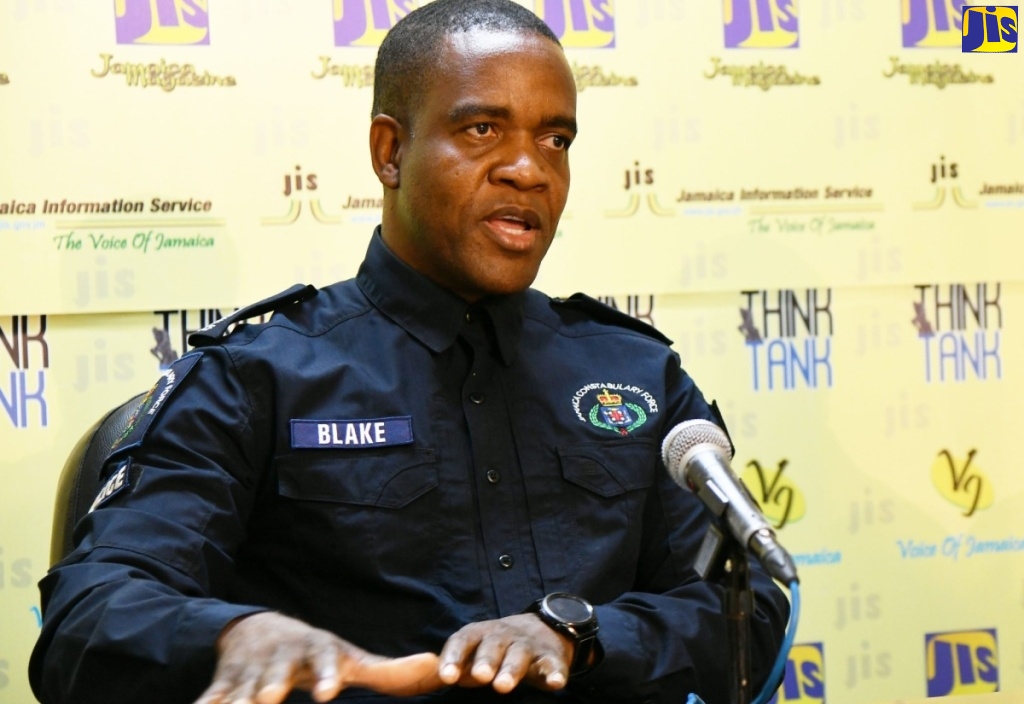
His message also spoke to leadership under pressure. Acknowledging “significant public discourse” over recent decisions, the Commissioner defended his actions as necessary, even when unpopular: “I would have been negligent to knowingly allow this to continue because of the fear of backlash and disapproval,” he said, emphasising accountability as a moral imperative.
Additionally, the JCF high command has announced several leadership transfers within senior ranks this month, moving assistant commissioners and superintendents across divisions in a reshuffle intended to strengthen operational command and strategic alignment across policing portfolios.
Dr Blake urged future leaders not to sacrifice the organisation’s integrity for popularity or personal gain, and he warned against performative leadership that prioritises self-interest or grandstanding. Instead, he urged members to remain “focused, disciplined, and united” and to demonstrate integrity “even when no one is watching and especially when it is difficult.”
By confronting internal weaknesses head-on, Dr Blake signalled that reform must be sustained from within. Progress, he suggested, is preserved not by convenience but by a steadfast commitment to standards a challenge now resting with every member of the JCF to protect the institution’s gains and ensure its future is shaped by leaders worthy of the public’s trust.




Comments