
TPDCo strengthens tourism workforce with Mental Health Support Programme post-Melissa

/ Our Today
administrator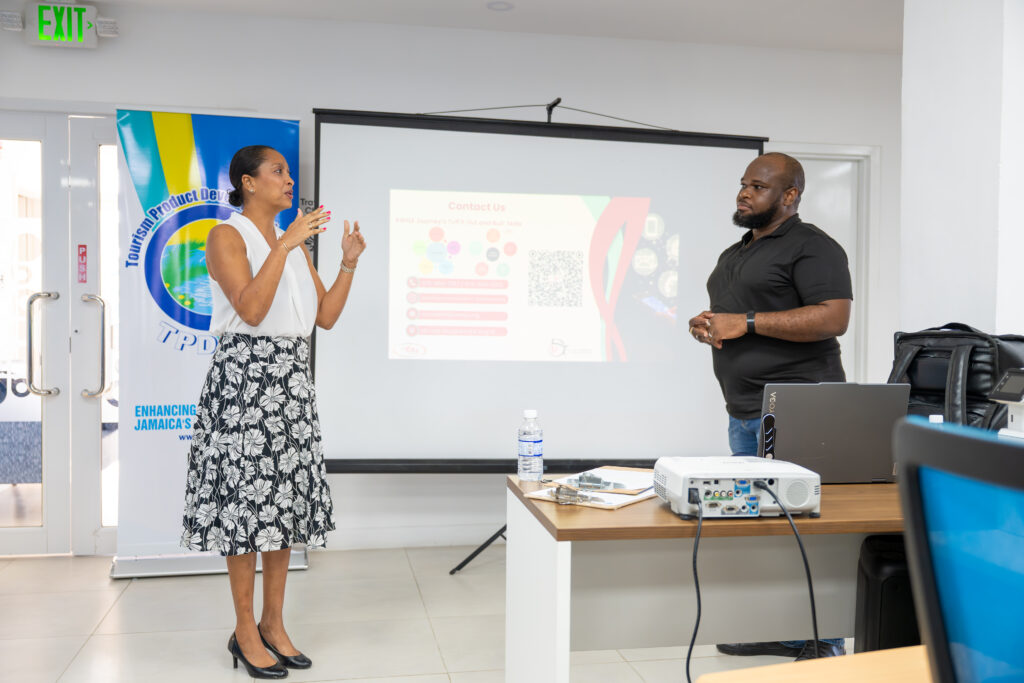
The Tourism Product Development Company Ltd. (TPDCo) has successfully concluded a Mental Health Support Programme for tourism sector workers affected by Hurricane Melissa, with the pilot initiative ending on Monday, December 15.
Hurricane Melissa left more than physical damage in its wake. For many tourism workers, the storm created emotional, psychological, and economic strain that affected both personal well-being and workplace performance. In response, TPDCo implemented a targeted mental health intervention designed to help workers process trauma, rebuild resilience, and return to work better equipped to operate optimally.
“The recovery of Jamaica’s tourism sector is not only about restoring infrastructure – it is also about restoring people,” said Wade Mars, Executive Director of TPDCo. “Our tourism workers are central to the visitor experience and the long-term stability of the industry. Supporting their mental and emotional well-being is an essential part of strengthening the sector after Hurricane Melissa.”
The pilot programme was delivered through face-to-face group sessions, facilitated by trained mental health professionals, including a psychologist and her team. These sessions were coordinated by TPDCo’s Training Team in association with the Jamaica Hotel and Tourist Association (JHTA), which assisted in mobilising participants. In total, 10 structured mental health sessions were conducted with tourism workers across the sector.

According to Ruth Harris, Executive Training Manager at TPDCo, the programme addressed a critical but often under-discussed aspect of tourism recovery.
“Tourism workers are the backbone of the industry. They interact with visitors daily, support operations, and help create Jamaica’s world-class hospitality experience. When they are emotionally distressed, it affects not only their personal lives but their ability to perform at work,” Harris said.
“TPDCo recognised the need to address mental health to reduce burnout, absenteeism, and long-term emotional strain. A healthier workforce leads to better service delivery, improved guest experience, and a stronger, more stable tourism industry. The pilot programme has been very well received by participants,” Harris added.
The programme focused on emotional recovery, stress management, and collective coping strategies, creating a safe space for workers to share experiences and developing tools to manage disaster-related stress.
Key Outcomes of the Programme Include:
- Improved emotional stability among participating tourism workers
- Enhanced coping skills and resilience following disaster-related trauma
- Reduced workplace stress and risk of burnout
- Better preparedness to perform effectively in professional roles
- Increased awareness and acceptance of mental health support within the tourism sector
TPDCo views the successful conclusion of the pilot as a meaningful step toward building a more resilient tourism workforce and reinforcing the importance of mental well-being as part of sustainable tourism development.




Comments