
Urgency needed in getting vaccines to Jamaicans

Al Edwards / Our Today
administrator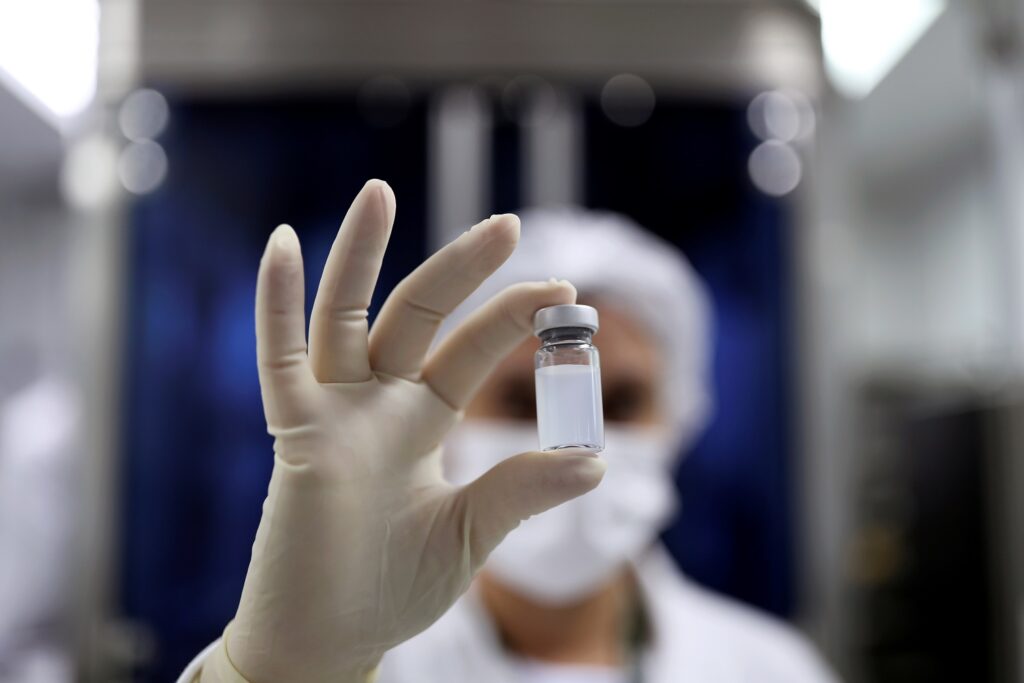
With novel coronavirus (COVID-19) infections on the rise both in Jamaica and in many countries across the world, the importance of getting vaccines to citizens takes on added significance.
The US, UK and Canada are already insisting that people returning from Jamaica must have a negative PCR,/antigen test, as countries move to protect their borders and keep the virus out.
Vaccines were expeditated with Pfizer-BioNTech, Oxford University’s AstraZeneca, Moderna, China’s CanSino and Sinovac Biotech’s CoronaVac made available sooner than expected. The race is now on to get them administered and people vaccinated.
The UK ordered 100 million doses of AstraZeneca, enough to vaccinate 50 million of its people. The U.S. has ordered 400 million doses of both Moderna and Pfizer vaccines, enough for 200 million of its people. The US has a population of 329 million.
Infection numbers are increasing at a rapid rate in the US and the country has recorded close to 400,00 deaths, averaging over 3,000 a day in the last week. This makes the need for mass vaccination all the more vital. However, the rollout has been woefully inadequate with reserves no longer available.
Only 13.7 million shots have been administered and last week saw just 850,000 doses per day given out.

According to Bloomberg, more than 39.7 million doses in 51 countries have been given to people. The key here is availability of vaccines then logistics and efficiency.
With COVID-19 numbers increasing in Jamaica, there will be a need to speed up the delivery of vaccines. The country now has to contend with virulent variants of the virus and a reluctance of citizens to abide by social distancing and mask-wearing protocols.
Putting adequate testing measures in place in Jamaica proved beyond the capabilities of the government with a thriving black market allowed to develop without censure by the Ministry of Health.
This fiasco cannot be repeated with getting Jamaicans vaccinated. It is imperative that the operation is carried out judiciously and equitably. The government cannot be seen to bungle this.
Already, there is a reticence to undergo inoculation and it may take both the Prime Minister and the Minister of Health to publicly be seen taking a vaccine in order to spur others to do so.

Of the 51 countries that have implemented national vaccine dosages, none are from the Caribbean.
The Prime Minister of Barbados, Mia Mottley has led the way to address this, taking a vaccine and pointing out that some government and medical workers have also done so.
“If you know me well, I will also roll up my sleeves and be at the front of the line going into the charge. I’m not asking anybody to do anything which I will not do. I’m happy to report that therefore in the course of the last few days there were five of our medical people at the frontline who have taken the vaccination, myself, the Minister of Health and the Attorney-General also were the other three people who took it.”
“My arm is a little sore but other than that I am in good shape. You see me talking with you and I am due to take the second dose in a few weeks’ time as are they,” said Mottley.

She added that Senator Dr Jerone Walcott is assiduously looking to get more vaccinations via a number of suppliers at a reasonable price.
Mottley has demonstrated leadership by example and Jamaican government ministers would do well to emulate this. Barbados is fully committed to getting its people vaccinated and is not prevaricating on this issue.
The premier of the Cayman Islands, Alden McLaughlin has also been vaccinated.
On a somewhat positive note, the Health Ministry’s Chief Medical Officer Dr Jacquiline Bisasor-Mc Kenzie has announced that the number of Jamaicans to be vaccinated in the second quarter of this year when vaccines become available has moved from one per cent to five per cent of the population.
“Initially it was one per cent that we would receive in the second quarter but this has now increased to 5 per cent and what you’ll find is that as more vaccines are approved, more manufacturing occurs, all the numbers may change.”
The Minister of Health, Dr Christopher Tufton has said that the aim is to have a vaccine ready to be administered to about 1 per cent of the initial 16 per cent of the population by April 2021, in accordance with Jamaica’s allocation. That will increase with another 3 per cent by mid-year and the remainder by the end of the year.
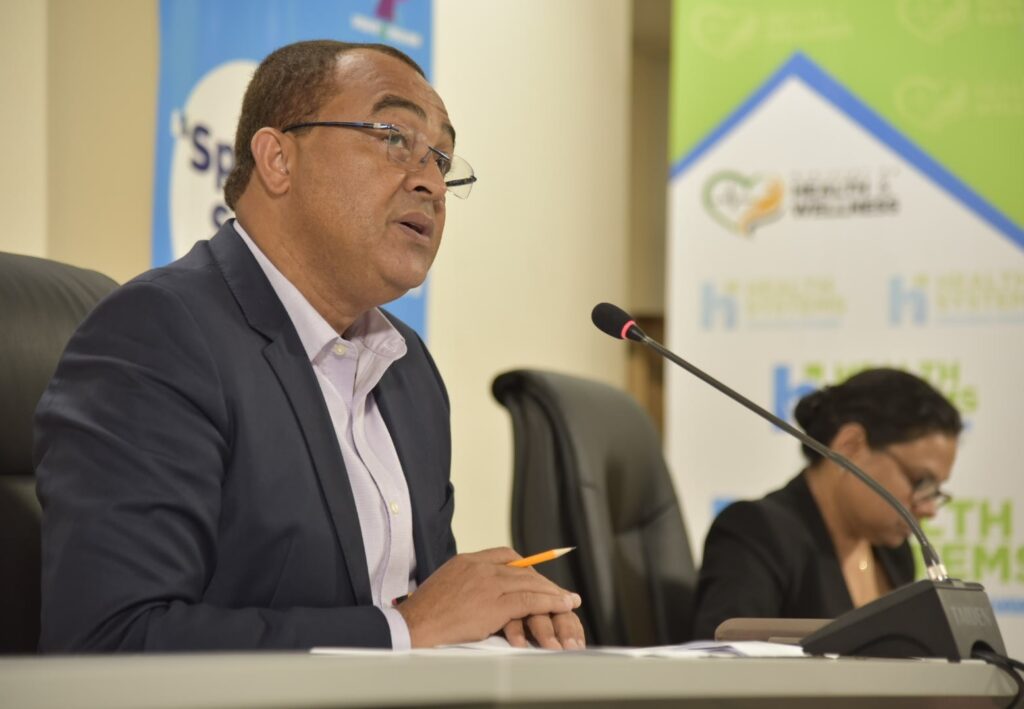
Those numbers may have to be revised with more people being able to receive a vaccine in light of COVID-19 showing no signs of relenting.
Jamaica may well do well to take a leaf from Israel’s book where it has overseen 25.1 doses given for every 100 of its people and is on track to be the first country in the world to inoculate its entire population.
Israel has a population of around 9 million people, three times that of Jamaica.



Comments