
There are multiple, feasible and effective options to reduce greenhouse gas emissions and adapt to human-caused climate change, and they are available now, said scientists in the latest Intergovernmental Panel on Climate Change (IPCC) report.
In 2018, IPCC highlighted the unprecedented scale of the challenge required to keep warming to 1.5°C. Five years later, that challenge has become even greater due to a continued increase in greenhouse gas emissions.
Released today (March 20), the Synthesis Report underscores the urgency need to reduce the effects of climate change so that a liveable and sustainable future can be attained.
“Mainstreaming effective and equitable climate action will not only reduce losses and damages for nature and people, it will also provide wider benefits,” said IPCC Chair Hoesung Lee in a release today.

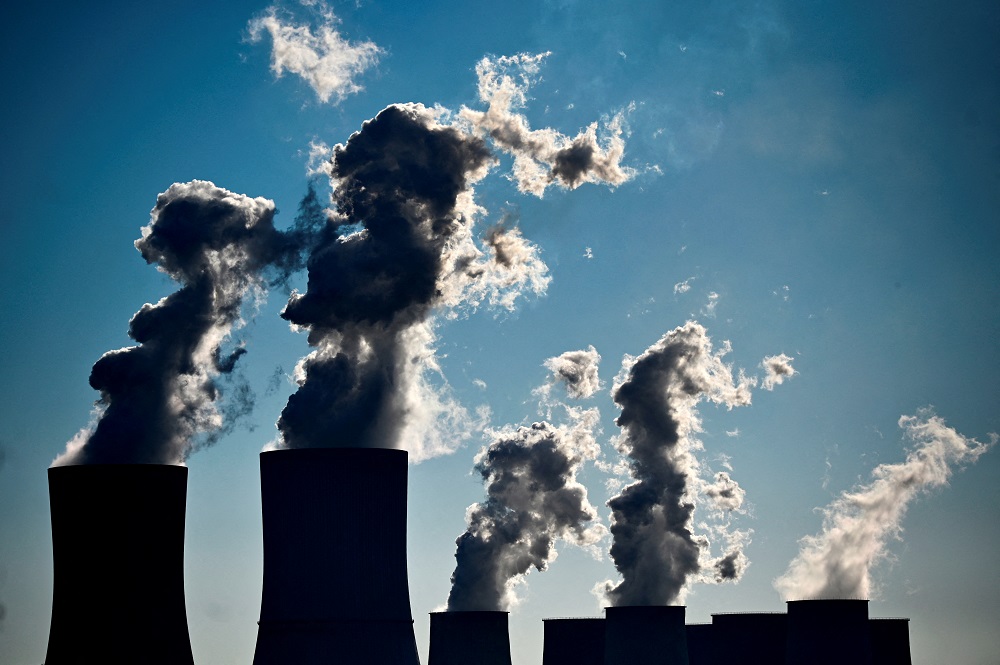
More than a century of burning fossil fuels as well as unequal and unsustainable energy and land use has led to global warming of 1.1°C above pre-industrial levels. This has resulted in more frequent and more intense extreme weather events that have caused increasingly dangerous impacts on nature and people in every region of the world.
Every increment of warming results in rapidly escalating hazards. More intense heatwaves, heavier rainfall and other weather extremes further increase risks for human health and ecosystems. In every region, people are dying from extreme heat. Climate-driven food and water insecurity is expected to increase with increased warming. When the risks combine with other adverse events, such as pandemics or conflicts, they become even more difficult to manage.
Losses and damages in sharp focus
The report, approved during a week-long session in Interlaken, brings in to sharp focus the losses and damages we are already experiencing and will continue into the future, hitting the most vulnerable people and ecosystems especially hard.
“Climate justice is crucial because those who have contributed least to climate change are being disproportionately affected,” said Aditi Mukherji, one of the 93 authors of this Synthesis Report, the closing chapter of the Panel’s sixth assessment.

“Almost half of the world’s population lives in regions that are highly vulnerable to climate change. In the last decade, deaths from floods, droughts and storms were 15 times higher in highly vulnerable regions,“ she added.
In this decade, accelerated action to adapt to climate change is essential to close the gap between existing adaptation and what is needed said the IPCC. Additionally, warming needs to be kept to 1.5°C above pre-industrial levels and requires deep, rapid and sustained greenhouse gas emissions reductions in all sectors.
According to the IPCC, emissions should be decreasing by now and will need to be cut by almost half by 2030, if warming is to be limited to 1.5°C.
Clear way ahead
To solve the issue of climate change and reduce its effects, the IPCC said that climate resilient development is need. This involves integrating measures to adapt to climate change with actions to reduce or avoid greenhouse gas emissions in ways that provide wider benefits.
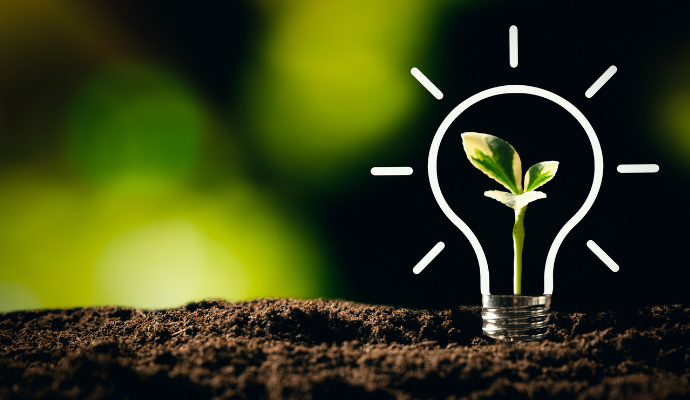
However, climate resilient development becomes progressively more challenging with every increment of warming. As such, the IPCC said that critical choices need to be made to for future generations.
“To be effective, these choices need to be rooted in our diverse values, worldviews and knowledges, including scientific knowledge, indigenous knowledge and local knowledge. This approach will facilitate climate resilient development and allow locally appropriate, socially acceptable solutions,” said the IPCC.
According to Christopher Trisos, one of the authors for the report, “the greatest gains in wellbeing could come from prioritizing climate risk reduction for low-income and marginalised communities, including people living in informal settlements”.
He added that a many-fold increase in finance is the only way that accelerated climate action will come about and insufficient and misaligned finances are holding back progress.
Enabling sustainable development
According to the IPCC, there is sufficient global capital to rapidly reduce greenhouse gas emissions if existing barriers are reduced.
While increasing finance to climate investments is important to achieve global climate goals, the IPCC said that Governments, through public funding and clear signals to investors, are key in reducing these barriers.
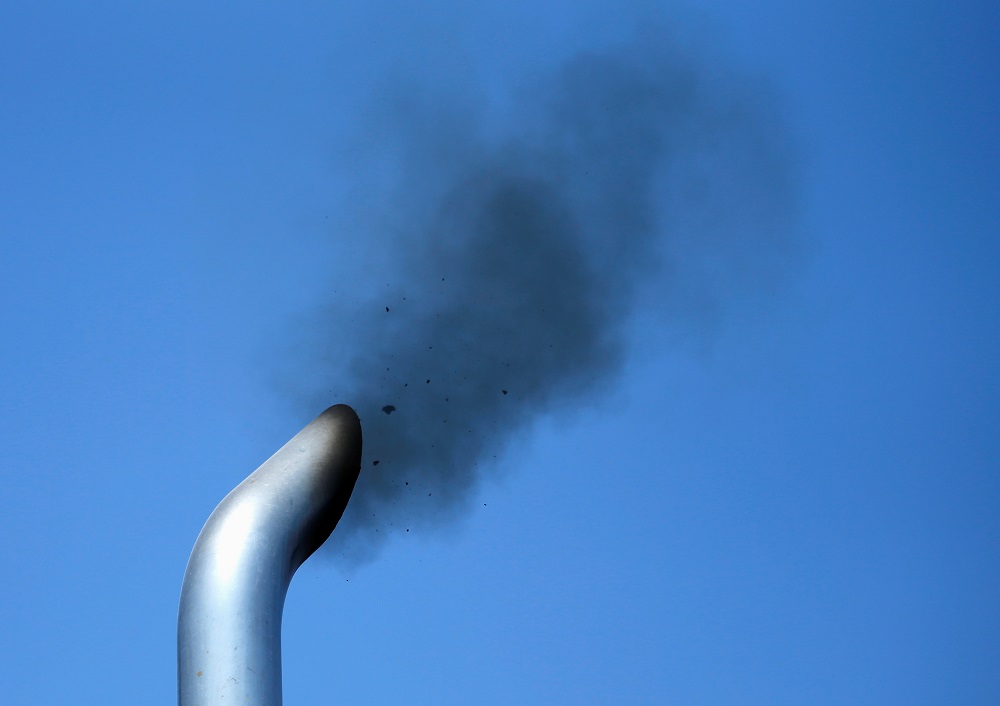
“There are tried and tested policy measures that can work to achieve deep emissions reductions and climate resilience if they are scaled up and applied more widely. Political commitment, coordinated policies, international cooperation, ecosystem stewardship and inclusive governance are all important for effective and equitable climate action,” said the IPCC.
They added that “if technology, know-how and suitable policy measures are shared, and adequate finance is made available now, every community can reduce or avoid carbon-intensive consumption. At the same time, with significant investment in adaptation, we can avert rising risks, especially for vulnerable groups and regions”.
Climate, ecosystems and society are interconnected. Effective and equitable conservation of approximately 30-50% of the Earth’s land, freshwater and ocean is also said to help ensure a healthy planet. Urban areas offer a global scale opportunity for ambitious climate action that contributes to sustainable development said the IPCC.
“Transformational changes are more likely to succeed where there is trust, where everyone works together to prioritise risk reduction, and where benefits and burdens are shared equitably,” Lee said.
“We live in a diverse world in which everyone has different responsibilities and different opportunities to bring about change. Some can do a lot while others will need support to help them manage the change.”




Comments