US trade deficit has fallen to lowest level since 2009, reports American Commerce Department

/ Our Today
administrator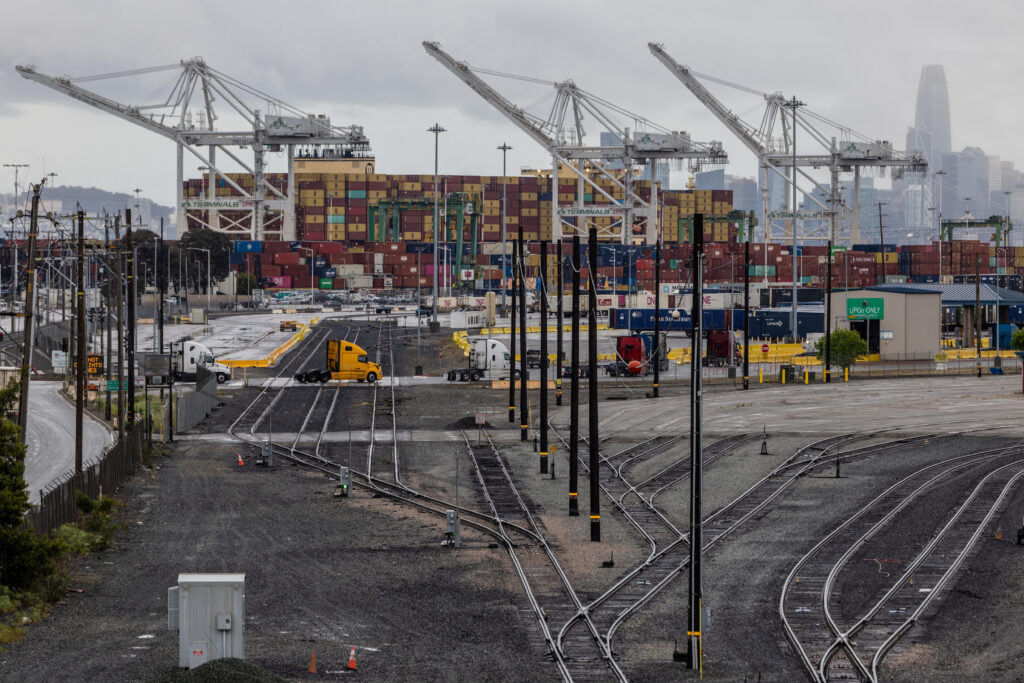
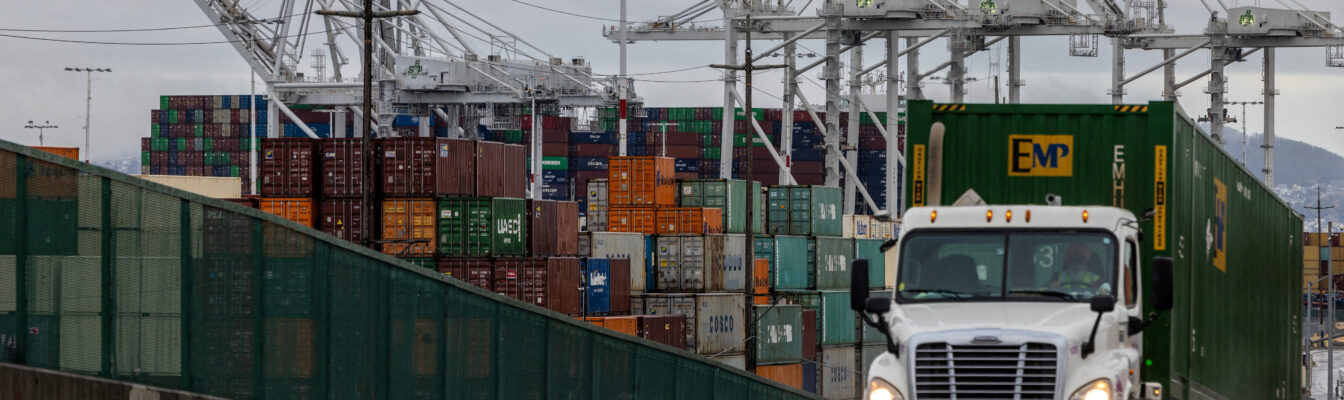
The US trade deficit unexpectedly narrowed in October to the smallest since 2009 on a sharp pullback in imports, according to data released today by America’s Commerce Department.
The data shows that the goods and services trade gap shrank 39% from the prior month to US$29.4 billion, as the US trade deficit made a sharp and unexpected pullback in October, reaching its lowest level since 2009, as goods imports dropped by 3.2 per cent while President Donald Trump’s tariffs took hold. The deficit was significantly smaller than a US$58.4 billion median forecast from surveys of economists by Dow Jones Newswires and The Wall Street Journal.
While US exports rose by US$7.8 billion in October to US$302.0 billion, imports dropped by US$11.0 billion to US$331.4 billion. This was largely due to a tumble in goods imports, with consumer goods declining US$14.0 billion. Within the category, pharmaceutical preparations fell sharply, the Commerce Department said.
Imports of industrial supplies and materials like non-monetary gold also dropped. Since returning to the presidency last year, Trump’s fast-changing and sweeping tariff policies have heavily swayed trade flows, as businesses rushed to stock up on inventory ahead of planned hikes in duties. Trade flows have fluctuated wildly this year because of Trump’s tariffs.
Impact of Trump’s new tariff regime
The president announced sweeping global tariffs in April, before pausing them for several months to carry out trade negotiations. Those tariffs went back into effect on August 7 last year. Later on August 29, the Trump administration also ended the “de minimis” exemption, which allowed foreign shipments valued at less than $800 to come into the United States tariff-free.
The administration has also imposed a variety of tariffs on products and sectors it deemed important to national security, including steel, copper and upholstered furniture. As of November, the US effective tariff rate had climbed to more than 16 per cent, the highest level since 1935, according to the Budget Lab at Yale, making it significantly more expensive for importers to bring goods into the country.
The Trump administration has pointed to the lower monthly trade deficits in recent months as evidence that its trade policies were working. But economists have said trade patterns have been distorted by businesses’ efforts to avoid paying tariffs, and cautioned against drawing too many conclusions from a few months of data.
Companies stockpiled large amounts of inventory earlier this year before tariffs went into effect, then subsequently reduced their purchases. The question for economists now is whether trade will return to more normal levels as company stockpiles go down, or if tariffs will continue to depress imports. For the year through October, the trade deficit in goods and services was up more than 7.7 per cent from the same period in 2024, according to the data, compiled by the Census Bureau.
Exports are up 6.3 per cent annually, while imports have risen 6.6 per cent so far this year. Tariffs could undergo more changes in the weeks to come. The Supreme Court is set to rule soon on the legality of many of the tariffs that Trump issued using a 1970s emergency law. But Trump officials have said that if those tariffs were struck down, they would use other authorities to impose new duties.






Comments