White House says Biden supports study of slavery reparations

/ Our Today
administrator
WASHINGTON (Reuters)
President Joe Biden supports a study on whether descendants of enslaved people in the United States should receive reparations, White House spokeswoman Jen Psaki said on Wednesday, as the issue was being debated on Capitol Hill.
Psaki told reporters that Biden “continues to demonstrate his commitment to take comprehensive action to address the systemic racism that persists today”.
Reparations have been used in other circumstances to offset large moral and economic debts – paid to Japanese Americans interned during World War Two, to families of Holocaust survivors and to Blacks in post-apartheid South Africa.

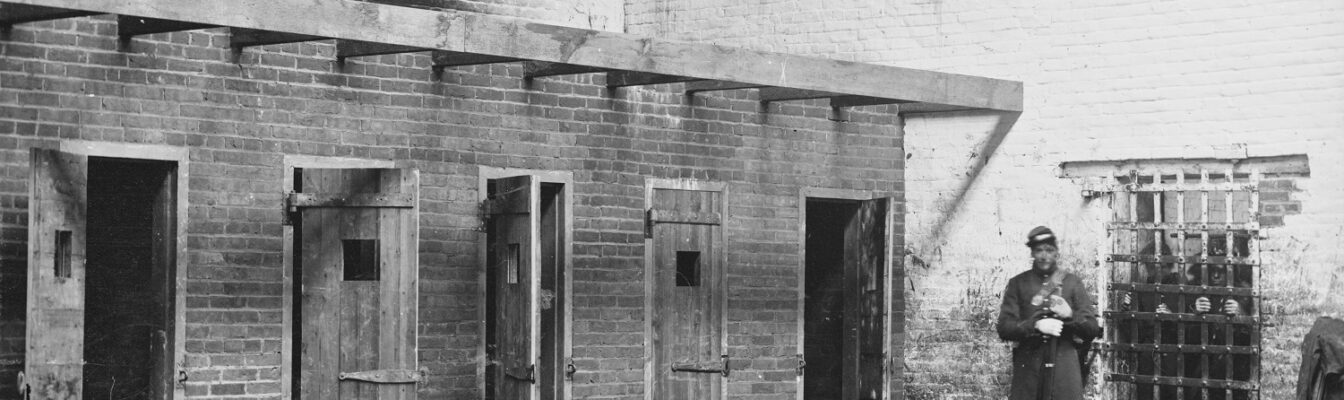
But the United States has never made much headway in discussions of whether or how to compensate African Americans for more than 200 years of slavery and help make up for racial inequality.
HR-40, a bill to fund the study of “slavery and discrimination in the colonies and the United States from 1619 to the present and recommend appropriate remedies” has been floated in Congress for more than 30 years, but never taken up for a full vote.
Democratic Representative Sheila Jackson Lee reintroduced it in January.
Fellow Democratic Representative Steve Cohen, who chairs the House Subcommittee on the Constitution, Civil Rights and Civil Liberties, told a hearing on Wednesday it was fitting to consider HR-40 at a time when the country is reckoning with police violence against Blacks and a pandemic that has disproportionately affected African Americans.

Biden told the Washington Post last year that “we must acknowledge that there can be no realization of the American dream without grappling with the original sin of slavery, and the centuries-long campaign of violence, fear, and trauma wrought upon Black people in this country.”
But like nearly all of the Democratic presidential candidates at the time, he did not embrace the idea of specific payments to enslaved people’s descendants, instead promising “major actions to address systemic racism” and further study.

A Reuters/Ipsos poll conducted last June following the death in police custody in Minneapolis of George Floyd, an African-American man, found clear divisions along partisan and racial lines, with only one in 10 white respondents supporting the idea and half of Black respondents endorsing it.
Calls have been growing from some politicians, academics and economists for such payments to be made to an estimated 40 million African Americans. Any federal reparations program could cost trillions of dollars, they estimate.
Supporters say such payments would act as acknowledgement of the value of the forced, unpaid labor that supported the economy of Southern U.S. states until the Civil War ended slavery in 1865, the broken promise of land grants after the war and the burden of the century and a half of legal and de facto segregation that followed.




Comments