White River Fish Sanctuary transformed into climate-resilent hub

/ Our Today
administrator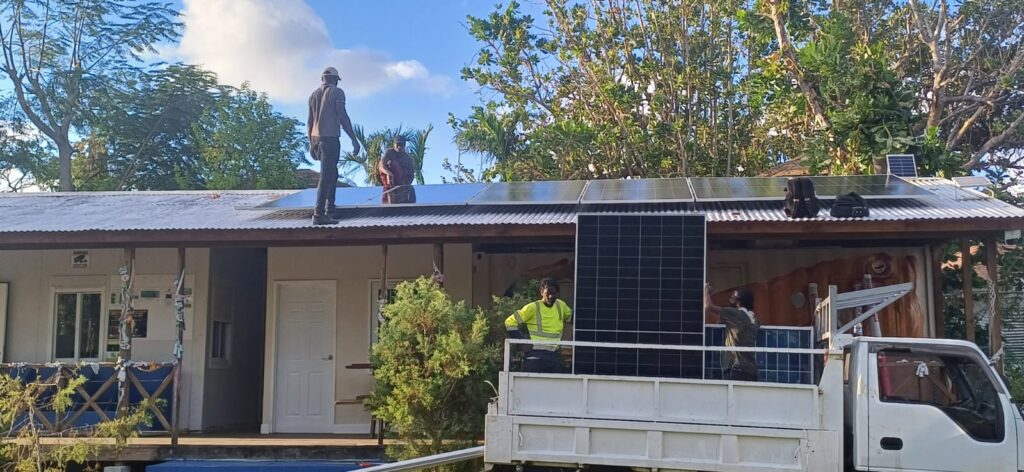
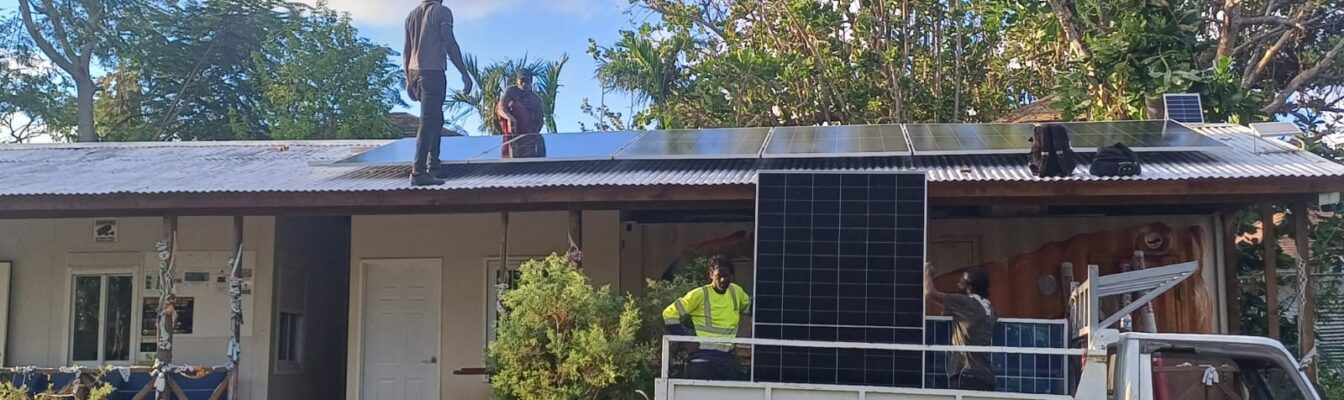
The National Conservation Trust Fund of Jamaica (NCTFJ) has collaborated with the White River Fish Sanctuary to enhance their organisational capacity and support the full solar conversion of their offices and a 20-foot cold-storage facility at the start of December.
The project, valued at J$4.4 million, has bolstered the sanctuary’s and its surrounding communities’ climate resilience and will effectively cut post-harvest spoilage by half, boosting fishers’ incomes.
A 150-hectare special fishery conservation area located just east of Ocho Rios Bay, the sanctuary operates on three pillars: enforcing a no-take zone, restoring critically endangered corals, and working with schools, fishers, and communities to build long-term stewardship of Jamaica’s marine resources.
The solar system, installed by STL Solar Limited, arrived at a critical moment – just weeks after Hurricane Melissa tore through the island, devastating communities and showcasing the need for climate-smart, self-sufficient, disaster-resilient solutions.
Fishing communities, among the hardest hit, continue to face major disruptions to livelihoods, infrastructure, and food security—conditions that will become more frequent with stronger storms.
While the sanctuary’s boats and office escaped physical damage, the team faced weeks of disrupted power and significant losses in coral nurseries. However, the new off-grid solar system will provide a reliable source of energy, ensuring that patrols, monitoring equipment, communications, and outreach activities can continue.
By delivering efficient cold storage to its members, fishers can now properly store, preserve, and market their catch during prolonged power outages.
The sanctuary expects this change to achieve a 20 per cent to 30 per cent increase in fisher incomes, enabling them to supply higher-quality, better-priced fish to premium buyers.
“Hurricanes are becoming stronger, and our communities cannot afford to ‘start over’ every time the power goes out,” said Jonathan Hernould, manager of the White River Fish Sanctuary. “Moving our sanctuary office onto solar and now adding solar-powered cold storage for fishers – we are not just going green, we are building real, practical resilience for the people who depend on this coastline.”

“The cold storage facility is a game changer. When a hurricane or a blackout hits, fishers usually lose their ice, their catch and their income. With NCTFJ’s support, we are creating a system where the sanctuary can keep operating, and fishers can keep earning, even when the grid is down,” he added.
“The community members are usually our first responders when disaster strikes, hence when we provide them with the tools to succeed, they are better positioned to bounce back during climate shocks,” said Danellia Aitcheson, executive director of NCTFJ.
“The increasing strength of natural disasters continues to expose the vulnerability of Jamaica’s coastal communities and the importance of investing in sustainable, nature-based, community-led solutions. A cold-storage facility for fishers plays a major role in reducing overfishing and protecting biodiversity, not by restricting fishing directly, but by changing the economic pressures that drive fishers to catch more than what is sustainable. It also avoids the need to fish every day or take excessive trips. This project is therefore not only strengthening the community, but it is also strengthening livelihoods and ecosystems at the same time.”






Comments