
WHO report into COVID-19 origin raises more questions than answers

Juanique Tennant / Our Today
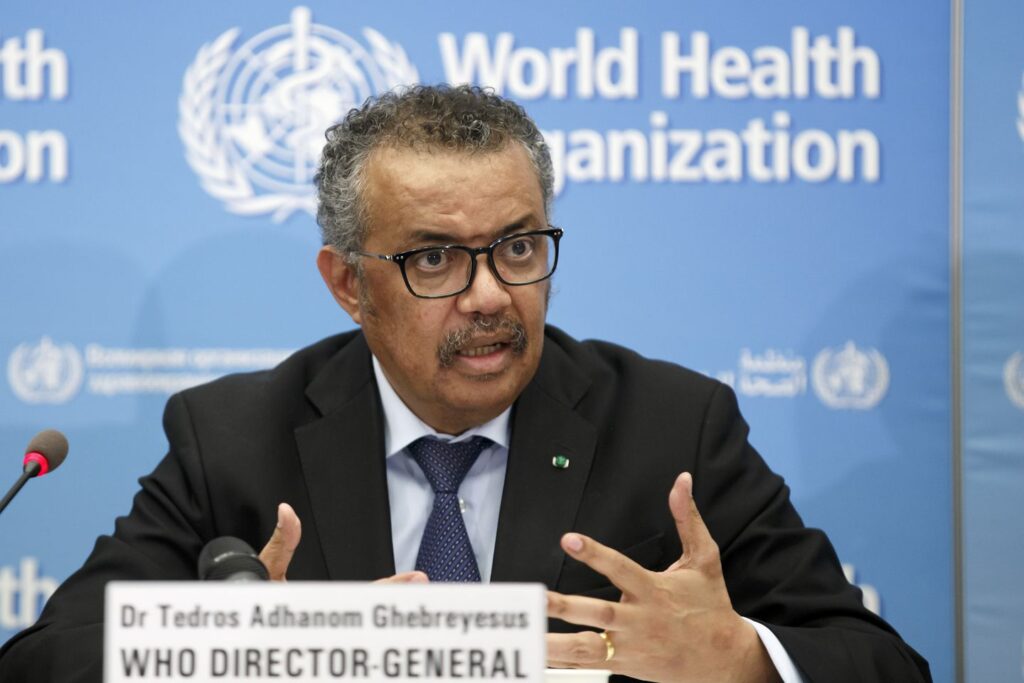
After a World Health Organization (WHO) report on the possible origins of the COVID-19 pandemic was released on Tuesday (March 30), critics are now arguing that the inquiry raises more questions than it answers.
The report, drafted by a 34-member team of Chinese scientists and international experts who led a mission to Wuhan, China, examines a series of four possible scenarios on how the pandemic may have started.
The first is a scenario where the virus spread via an intermediate animal host, possibly a wild animal captured and then raised on a farm. That intermediate host may have been infected with the virus by a bat and then transmitted it to a human. According to the report, this scenario is “very likely”, but it did not identify what animal that could have been.

The report also identified direct transmission from an animal known to carry the coronavirus, such as a bat or a pangolin as another likely scenario.
While two other less likely scenarios were that the virus was introduced through cold food products or through a laboratory incident. The latter of which was considered to be “an extremely unlikely pathway”.
Despite this, WHO Director General Dr Tedros Adhanom Ghebreyesus says, “All hypotheses are on the table and warrant complete and further studies from what I have seen so far”.
“I do not believe that this assessment was extensive enough. (Therefore) further data and studies will be needed to reach more robust conclusions.”
Dr. Tedros Adhanom Ghebreyesus, WHO Director General
He furthered: “I do not believe that this assessment was extensive enough. (Therefore) further data and studies will be needed to reach more robust conclusions.
“We have not yet found the source of the virus, and we must continue to follow the science and leave no stone unturned as we do.”




Comments