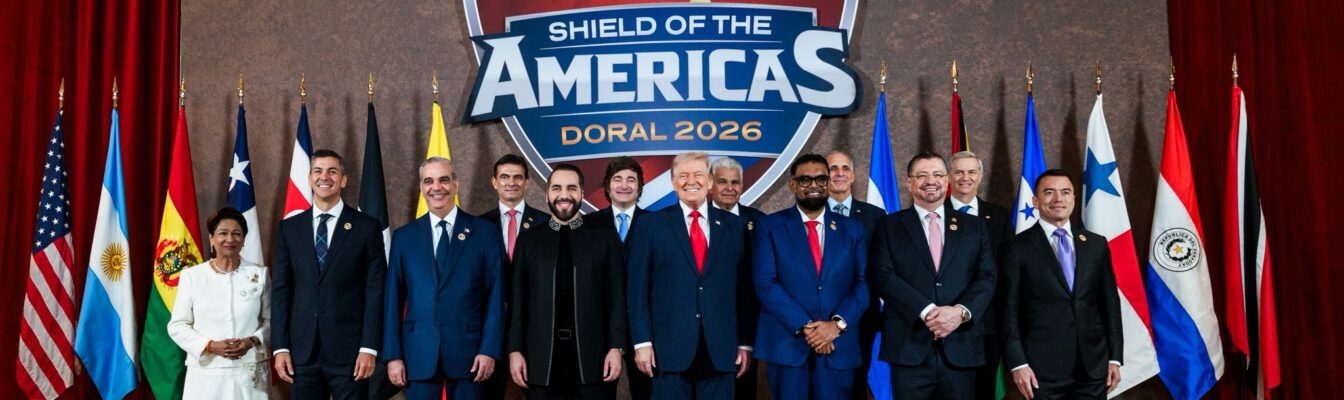
Why wasn’t Andrew Holness invited to Shield of the Americas conference?
Al Edwards / Our Today
administrator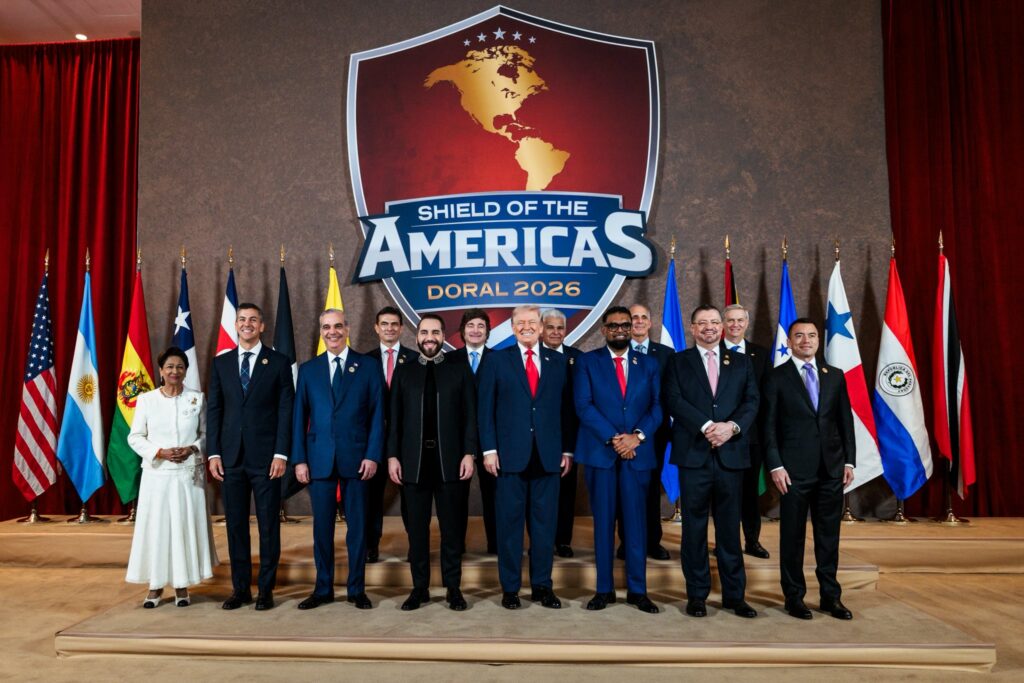
The Shield of America is a new body formed by United States President Donald Trump to watch over and protect the two continents.
From the Caribbean, more so the English-speaking Caribbean, both Trinidad and Guyana were welcomed
Conspicuous by his absence was Prime Minister Andrew Holness representing Jamaica.
One gets the impression that Secretary of State Marco Rubio regards Holness favourably, but perhaps not so President Trump and his VP, JD Vance. It is said both are reticent about Holness and dislike his association with China.
They are cordial but indifferent.
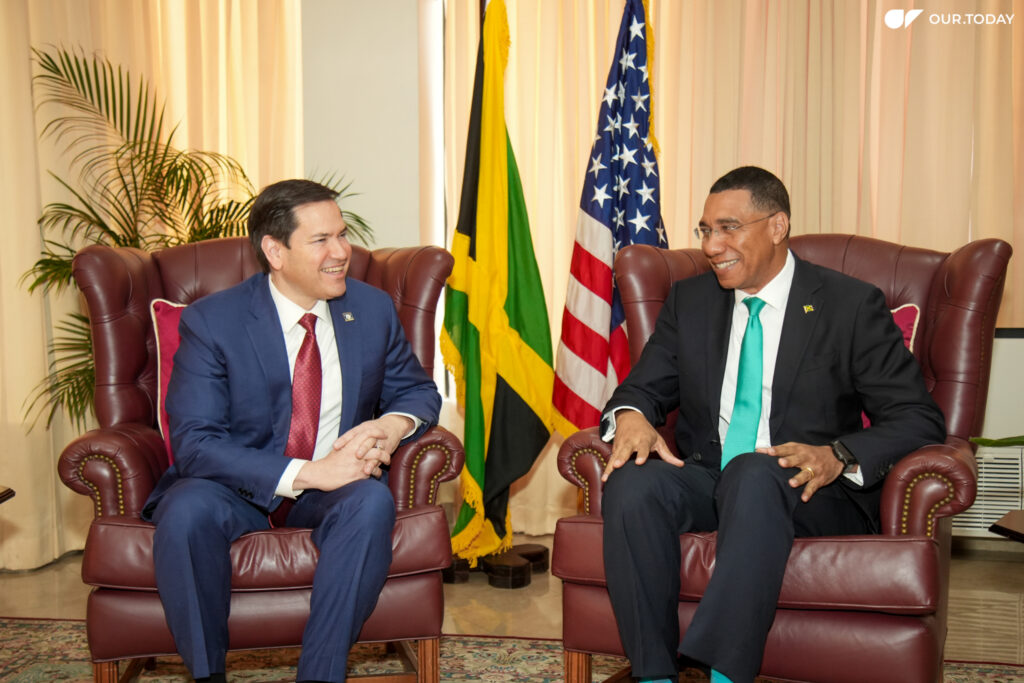
Congressman Carlos Gimenez said that Jamaica must pay the consequences for Prime Minister Holness announcing at the recently held CARICOM conference in St Kitts, that Cuba is our neighbour and humanity should be applied to their plight.
No one in the Trump administration disagreed with Gimenez.
With Nicolás Maduro removed as the president of Venezuela and the US now ‘controlling’ that country together with airstrikes on Iran, Caribbean leaders are fearful. They know that they can only hold on to power at the behest of the Trump administration. Get out of line, or speak too stridently, and you will be cut down to size.
They are all mere overseers.
Jamaica has the largest population in the English-speaking Caribbean and is the most influential and notable country in the CARICOM region, yet it was absent from this Shield of America gathering. Why?
President Trump openly made known his support for Trinidad & Tobago’s President Kamla Persad-Bissessar. He obviously favours her. Some say she will now become more enamoured with the Shield of the Americas and less so with CARICOM.
CARICOM will fracture. It is now an effete organisation rife with infighting and division. It now exists in the context of how compliant it is with the United States. It was defanged at the St Kitts meeting. Kamla Persad-Bissessar at that CARICOM Conference dismissed the notion of the “zone of peace”. She rejected efforts to be cordial and convivial by member states and said some interfered in national elections.
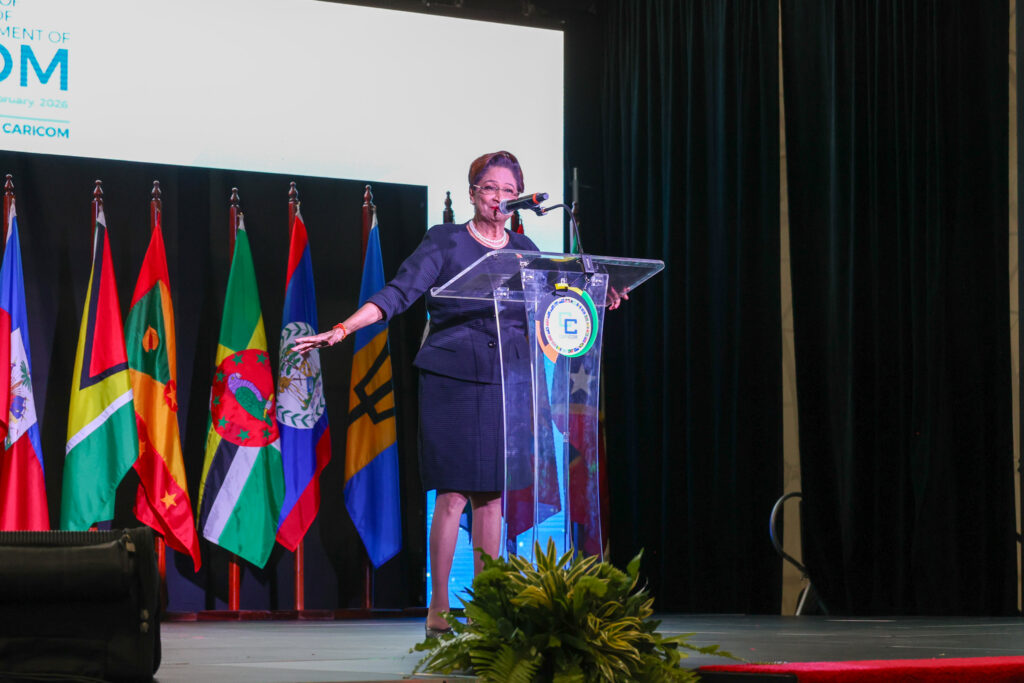
Can CARICOM hang in there and ride out the Trump era or will its fractiousness render it asunder?
It is here where Prime Minister Andrew Holness can step up and help make CARICOM a relevant body of Caribbean states. If both Trinidad and Guyana see better prospects with the Shield of the Americas and regard it as a better protector of their respective interests, then so be it.
His regional perspective is a good one, and CARICOM needs an articulate and vocal champion. Not being invited to that initial meeting in Doral, Florida, would have stung, but Holness must play the long game.
The Shield of the Americas is a multinational military cooperation initiative established by Trump during a summit with leaders from countries across the western hemisphere.
It is headquartered at Trump’s National Doral Miami Resort in Florida.
It is intended to coordinate military and security efforts among participating nations to combat transnational criminal organisations, particularly drug cartels operating throughout the Americas.
Kristi Noem, ex-head of the Department of Homeland Security, will be the Shield of the Americas’ special envoy.
For years, Jamaica has been plagued by gangs and transnational drug trafficking, so it does come as a surprise here that Holness was not invited. Only a few weeks ago, it was discovered that FedEx offices in Kingston were harbouring a large volume of drugs.

It is said that many construction companies and other enterprises are funded by drug money, and their insidious tentacles need to be removed from Jamaica.
Jamaica could do with the help and would have welcomed efforts to protect its borders. Over the last year, it has done a fantastic job of reducing crime, particularly murders. One would have thought that would have impressed Trump, and he would have felt the need to have Jamaica participate in the meeting in Doral.
Prime Minister of Trinidad & Tobago Kamla Persad-Bissessar has made it clear she is a staunch ally and supporter of the United States. She has said it is among the country’s oldest trading partners and that it does billions of dollars of trade with it.
About 350,000 Trinidadians hold US visas. All Caribbean citizens fear their US visa being revoked, particularly politicians. They are all in panic mode and have no choice but to be compliant. As far as Trump is concerned, these small countries have no autonomy or sovereignty, and he is sending them that message—they are vassal nations.
As a reward for her loyalty, Kamla Persad-Bissassar may very well be looking for a contract to refine Venezuelan oil as well as get help in fighting crime, gangs and drug cartels.
Trinidad’s economy is in trouble, with its currency a cause of concern to the International Monetary Fund (IMF). Ten years ago, it was a petro-energy powerhouse; its LNG supplies seemed inexhaustible. It was the standout among CARICOM economies. Last year, its economy grew by less than one per cent, and you’d have problems drawing US dollars out of the ATM to buy a bucket of KFC.
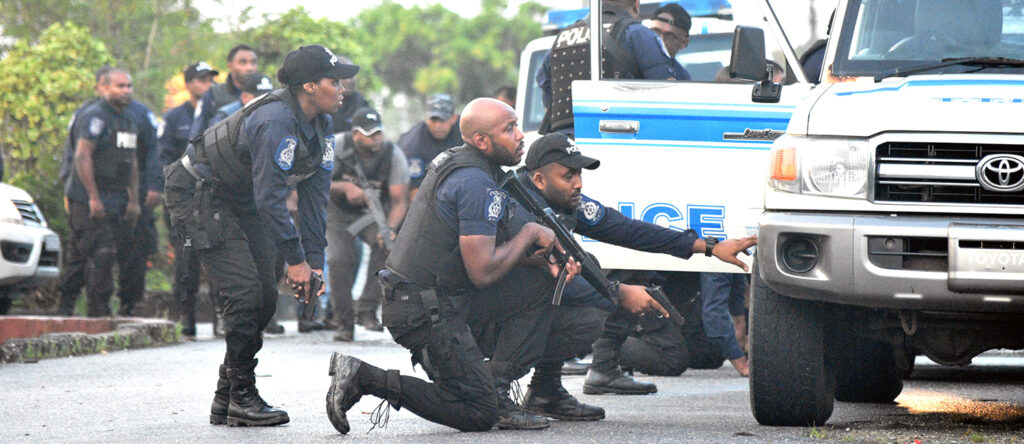
It is a smart play by Persad-Bissassar to form closer ties to the US and seek diplomatic opportunities.
Of all the prime ministers who preceded him, Andrew Holness is the most driven to preside over the development and advancement of his country. He has made strides here but has been thwarted by factors beyond his control.
The COVID-19 pandemic saw his government lose three fiscal years. Hurricane Beryl, followed by incessant rains, hindered the SPARK programme. Last year saw Category 5 Hurricane Melissa cost Jamaica 41 per cent of its GDP, with the damage now placed in excess of US$12 billion. Now comes war in the Middle East with oil prices already up to US$100 a barrel.
Holness is astute in searching for partners far and wide. Some have already made a significant contribution to foreign direct investment, more so than the United States.
What Holness is being told is, ‘Play ball with us, abandon your friend to the East, and maybe we will throw you a bone‘.
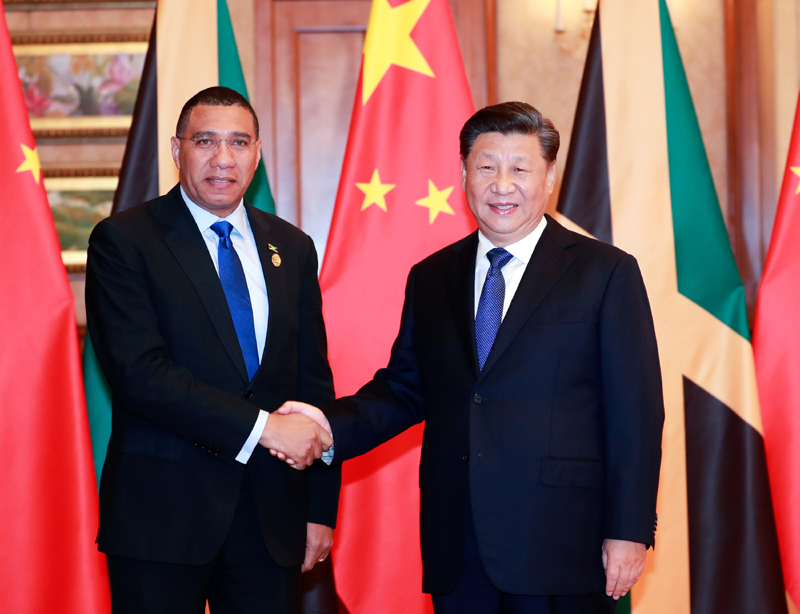
That’s a promise to a fool. And Holness knows it. Already, the highways have been much improved, connecting the country. Loans have been received at far more advantageous rates than from the multilateral and other international financial agencies.
Now, Jamaica is looking more toward Africa, and there is talk that it may even join BRICS.
If the US wants to protect and lend a helping hand to Jamaica, it must also invest in Jamaica. It must offer friendship without conditionalities. It cannot dictate who its friends are. Those terms can never bear fruit in the long term.
It is very much a case of what PM Holness said in St Kitts—you must be appreciative and grateful to those who were good to you.
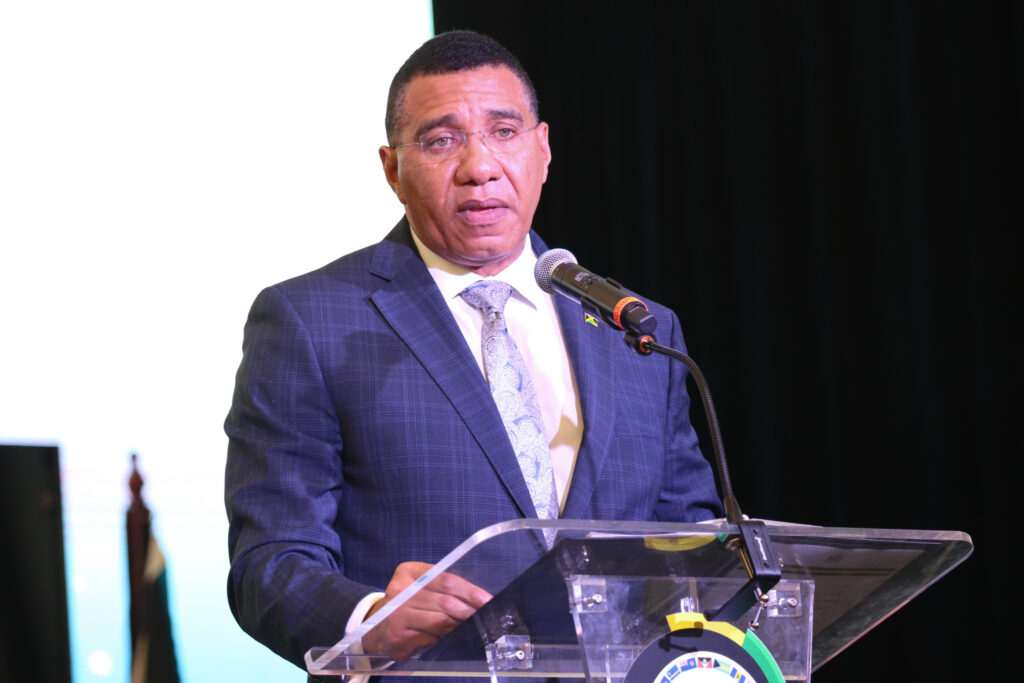
Of course, Andrew Holness has his detractors, and that’s par for the course, but what is undeniable is that he has provided a sense of stability for Jamaica, particularly as it has undergone the most catastrophic events in its history since Independence. No other Prime Minister has been confronted with what he has had to contend with in the last sixty-four years.
The Caribbean Community needs a champion. A leader to galvanise the people of the region and lobby for a cohesive trading block. Someone who can see to it that people can travel freely across the islands and can be gainfully employed with little restriction in member states.

Both Trinidad and Guyana have oil and gas, and that makes them attractive to the United States. They have something to offer. What does the rest of CARICOM have to offer? A proposition must be viable to the people of the region. Prime Minister Holness was right; we must care for our people, treat them with respect and enable their welfare.
Make life better in the Caribbean and don’t allow migrating to the United States to become an inviolable Caribbean aspiration.

Comments