
Windalco in hot water after Rio Cobre contamination; NEPA seeks to lay criminal charges for deadly discharge

Gavin Riley / Our Today
administrator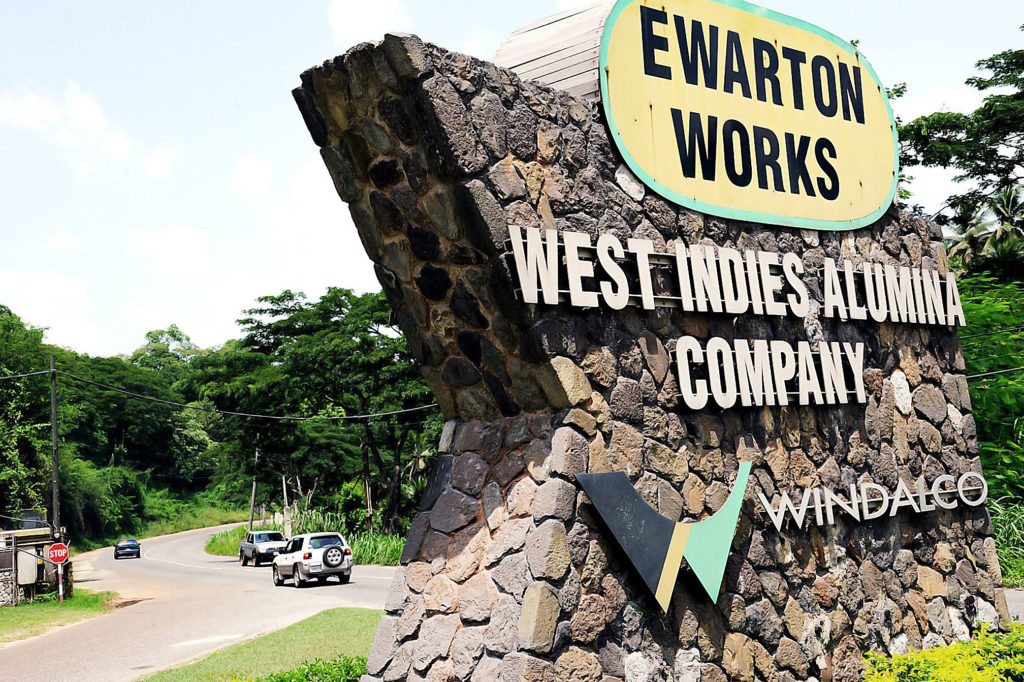
The National Environment and Planning Agency (NEPA) is gearing up to press criminal charges against the Russian-owned West Indies Alumina Company (Windalco), for industrial effluent that contaminated the Rio Cobre in St Catherine over the weekend.
According to Director for Environmental Management and Conservation at NEPA, Anthony McKenzie, the toxic discharge took place as recently as Sunday (August 1) in the lower section of the river, from the Bog Walk area, through the gorge, and ending at the catchment area at Dam Head in the parish.
McKenzie, in an interview with Our Today on Wednesday, was unwilling to disclose the specific substance discharged, however, noted it was of “highly alkalinity” and “caustic” in its chemical composition.
“There was a discharge that apparently impacted and caused the death of fish and other marine life within the course of the lower section of the Rio Cobre,” McKenzie said.
“We had a polluting substance [discharged into the river and] it is a breach of the Wildlife Protection Act,” he added.
Breaches of the Wildlife Protection Act carry a maximum fine of JM$100,000 or imprisonment not exceeding two years, McKenzie noted further.
He continued that besides the mass-killing of several fish species and other marine life in the contaminated area of the Rio Cobre, the industrial effluent was also responsible for throwing the river’s natural pH balance out of whack.
While not disclosing what the Rio Cobre’s current pH levels are, McKenzie said that on average, the river sits anywhere between 7.0 and 8.5.
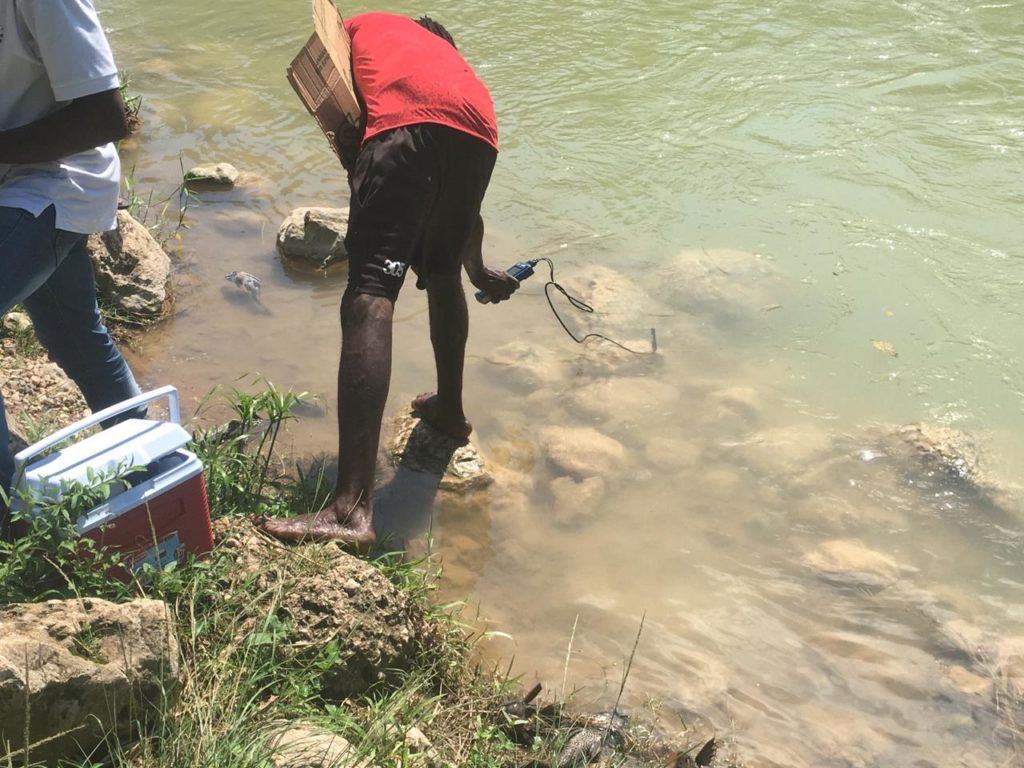
The senior NEPA exec told Our Today, that in its assessment of the discharge event, the agency found that the chemical introduced to the Rio Cobre has effectively impacted water quality in the area.
The Rio Cobre, Jamaica’s second-longest river, provides water for much of Spanish Town as well as sections of Kingston and St Andrew, Portmore and other communities. The river is also an integral part of the Jamaican Government’s pilot programme to replenish depleted underground aquifers at Innswood in the parish.
- See related article: Millions of gallons from Rio Cobre ‘feeding’ depleted underground Innswood aquifer
The discharge was identified as the source of a pungent odour that emanated from the Rio Cobre over the weekend, leaving residents disgruntled and demanding government intervention.
Opposition People’s National Party (PNP) spokesperson on environment and climate change, Sophia Frazer Binns, decried the discharge, adding that it has continued for far too long.
North Central St Catherine Member of Parliament (MP) Natalie Neita Garvey, on a visit to affected sections of the Bog Walk Gorge on Tuesday, underscored that more mechanisms need to be implemented to prevent a repeat of these incidents.
A similar occurrence happened in 2019, she added, where NEPA took Windalco to court in relation to a spill of caustic soda, or sodium hydroxide (NaOH).

“While the matter is still in court and should be dispensed with quickly, redress for loss of livelihood must be a strong consideration to ensure justice for the affected citizens,” Neita Garvey contended.
“Fisherfolk will not be able to carry on their trade for the next couple of months. Many communities depend on the river to catch fish, so unfortunate incidents like these put the residents’ lives and livelihood at risk. The affected residents deserve compensation,” she added.
In the meantime, the PNP has repeated its appeal to residents not to use water from the Rio Cobre or consume any of its fish until further directives from the relevant authorities.





Comments