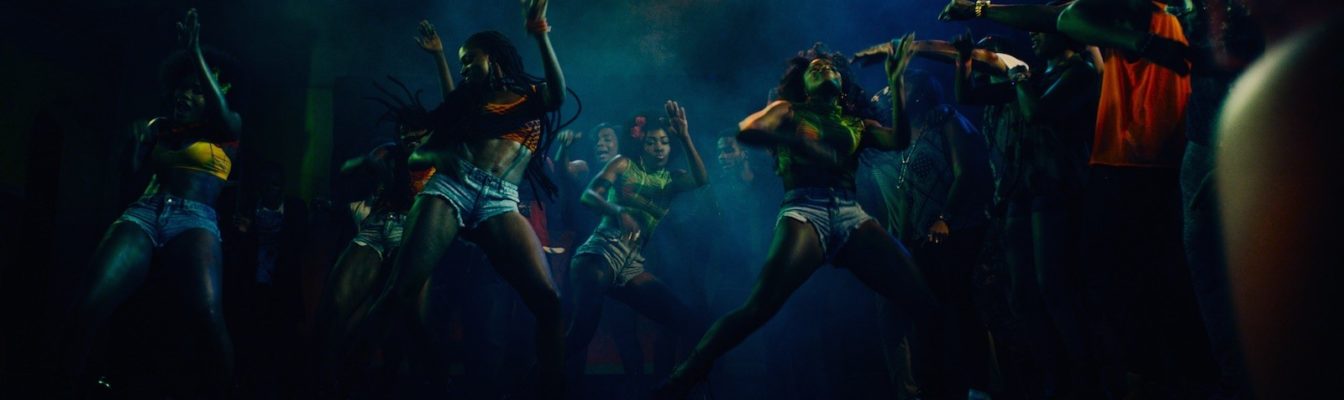
Protectionism or cultural threat? Social media weighs in on ‘Jamaican-only’ dancehall decree

Gavin Riley / Our Today
administrator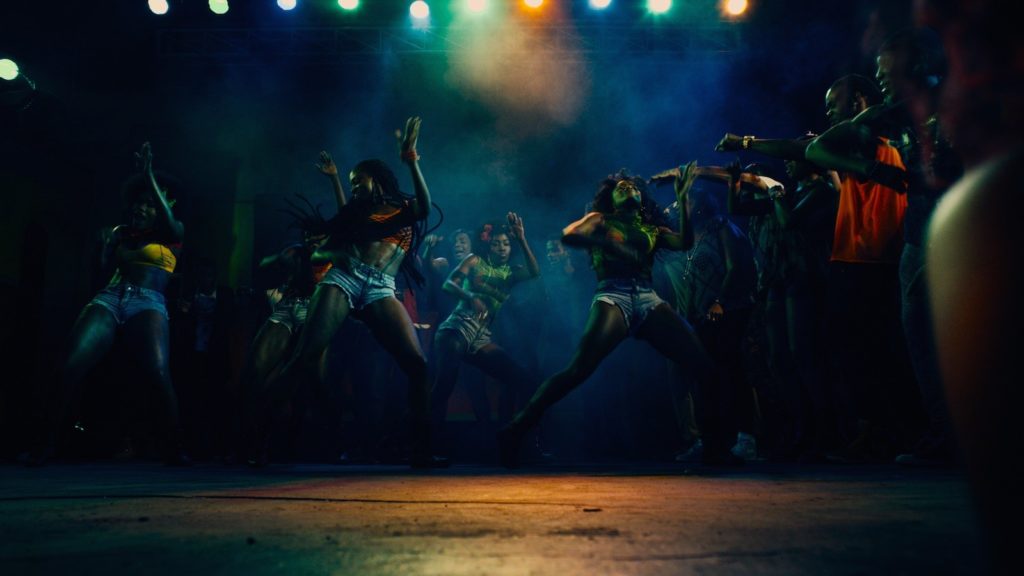
A decree from the newly formed Dancehall Dance Association (DDA) has triggered polarising reactions from social media users even as the group takes what is viewed as a ‘protectionist’ stance toward non-Jamaicans.
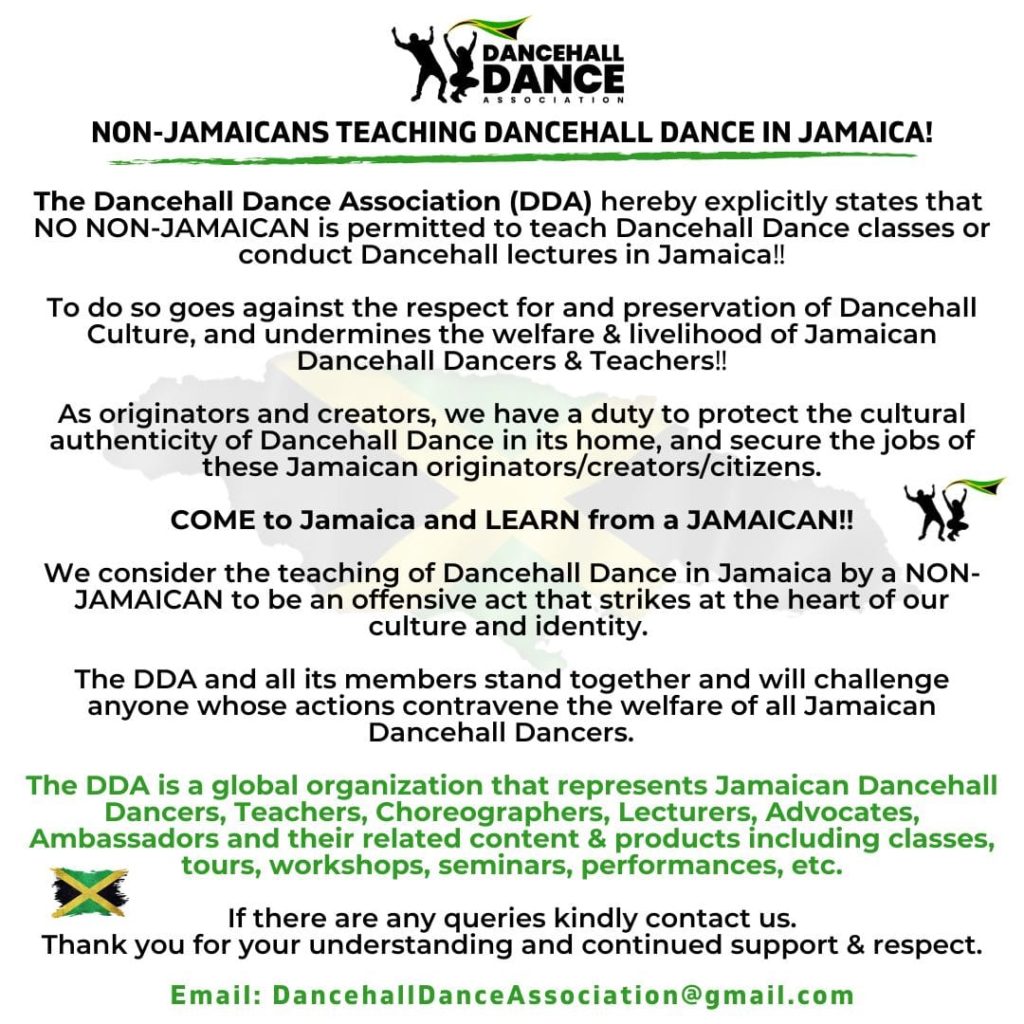
The DDA, in a Facebook statement shared by Professor Donna Hope on Thursday (January 27) was as blunt as it was overt—no one other than a Jamaican should be teaching or profiting from dancehall-themed dance classes or lectures held on the island.
Claiming to be a “global organization that represents Jamaican dancehall dancers, teachers, choreographers, lecturers, advocates and ambassadors as well as their related content and products including classes, tours, workshops, seminars, performances [et al]”, the DDA vowed to challenge any threat to its members’ welfare.
See statement in full below:
“The Dancehall Dance Association (DDA) hereby explicitly states that NO NON-JAMAICAN is permitted to teach dancehall dance classes or lectures in Jamaica!
To do so goes against the respect for a preservation of dancehall culture, and undermines the welfare & livelihood of Jamaican dancehall dancers and teachers!
As orginators and creators, we have a duty to protect the cultural authenticty of dancehall dance in its home and secure the jobs of the Jamaican originators/creators/citizens.
COME to Jamaica and LEARN from a JAMAICAN!!
We consider the teaching of dancehall dance in Jamaica by a NON-JAMAICAN to be an offensive act that strikes at the heart of our culture and identity.
The DDA and all its members stand together and will challenge anyone whose actions contravene the welfare of all Jamaican dancehall dancers.”
The statement has been met with mixed reactions as users from far and wide weigh in on the strongly worded-borderline-nationalist tone taken by the association. The group is also being accused of peddling a xenophobic, discriminatory agenda, based on its antagonistic rhetoric.
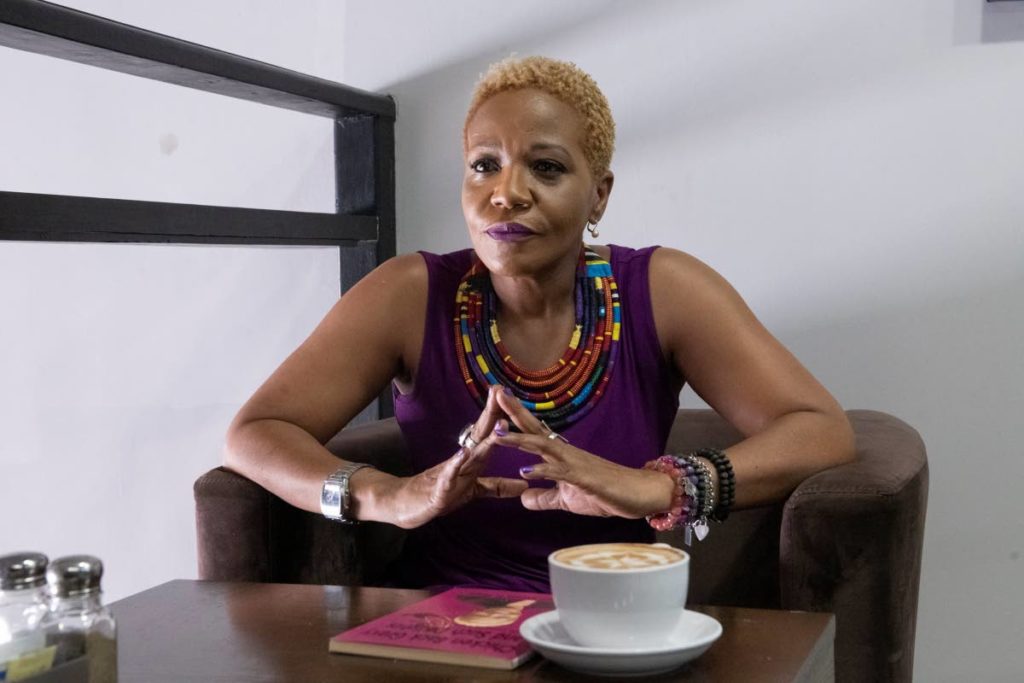
After a question about why reggae wasn’t included, Professor Hope replied, “the home of reggae moved a long time ago”.
“We are just the originators. Seems like a similar story is taking place with the dancehall dance,” she added.
More still, questioned how enforceable such a stance would be for the newly formed dancehall group, even within the geographic confines of Jamaica.
As argued by Richard Blackford, “I must say that I find this laughable. Apart from being completely unenforceable, it exposes how little the proposers appreciate the value that comes from the skills developed in other jurisdictions. Further, such limitations also impact the ability of Jamaicans to ply their skills elsewhere.”
“The strong language chosen is interesting, because this would be entirely unenforceable, without the government of Jamaica getting involved. It is understandable that they want to protect their indigenous creativity, but this seems like a step in the wrong direction,” said Natalia Gomez.
Trinidadians on Facebook laughed at the decree, calling the Jamaican association ‘hypocrites’ as their country actively promotes its own ‘knock-off’ version of Carnival annually.
A few, while acknowledging that the decree bordered on ‘gatekeeping’, seemingly understood the DDA’s perspective, arguing that some countries go to great lengths to prevent or discourage support of foreigners profiting off their native cultures.
“Successive Jamaican governments have failed to protect the island’s indigenous culture and its practitioners, where are the geographic patents??? At least the DDA is looking to protect its members & their creativity by saying the Free for all where people just take up residency in Jamaica and then decide to teach people dancehall while on the island and in turn block the Jamaicans from earning will not be accepted,” commented Maria Hithcins.
Others contended that at the underbelly, a trend must be developing which has triggered such a strong backlash from local dancehall choreographers and lecturers.

Based on the responses, the root of the issue seems to stem from the lack of work permits to track the legitimacy of dancehall sessions these alleged foreign infiltrators are purportedly raking in big bucks off of.
“Jamaicans who ply their skills elsewhere must get the requisite permissions to do so. Free market does not mean free for all. How do Jamaicans inside of Jamaica protect their strategic role? I am sure they know it is unenforceable, except perhaps at the level of work permits, which is also out of the DDA’s jurisdiction,” mused Professor Hope, who is a senior lecturer at the Institute of Caribbean Studies and the Reggae Studies Unit.
Both entities fall under the Mona campus of the University of the West Indies (The UWI).
Nonetheless, there were those that suggested perhaps a better avenue for the DDA to approach the issue from an intellectual property standpoint as to ‘police’ dancehall dance would be impractical.
“There’s a better way to develop your industry, you need an expert on international product and brand development to advise you,” asserted Mayberry Investments chairman Chris Berry.
Wayne Chen, offering his two cents, replied, “The wrong approach – parochial and unenforceable. We should be focused on raising standards and certification of Jamaican dancers and teachers to ensure that they are always first choice. ‘Closing off’ the sector goes both ways – it shuts out inputs and limits international exposure. Opening it up, especially to non-English speakers means new markets for Jamaican creatives once we’re creating attractive content.”





Comments