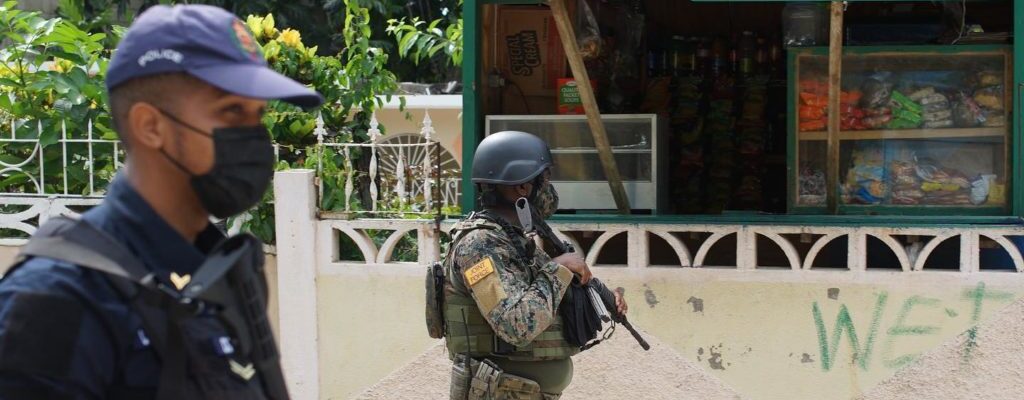
JFJ calls for body-worn cameras following increased fatal shootings by security forces
Toriann Ellis / Our Today
author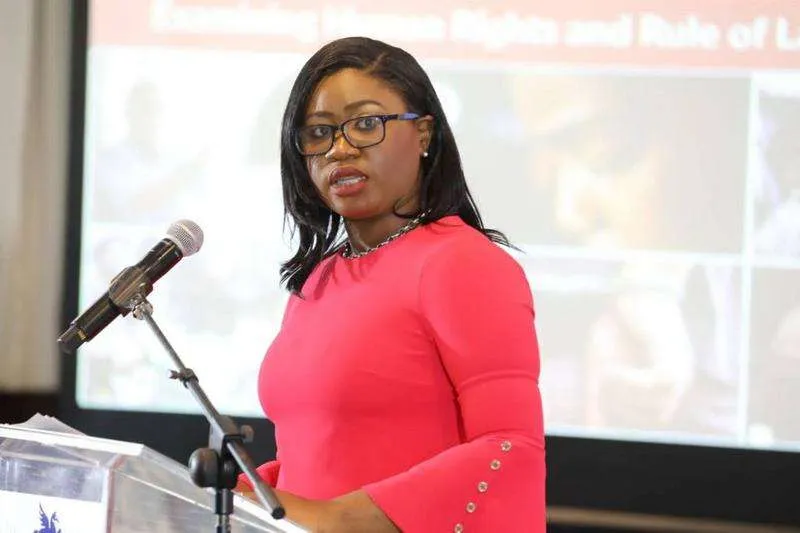
The Jamaicans For Justice (JFJ) is again calling for security forces to wear body cameras amid news of the high number of fatal shootings since the start of the year.
Twenty-six fatal shootings by members of the security forces have been recorded since the start of the year.
JFJ Executive Director Mickel Jackson made it clear that if armed individuals confront an officer that officer has a right to defend him or herself. She however said that body-worn cameras provide accountability.
“The use of force policy is very clear; other pieces of legislation are also very clear in this regard. An officer also has a duty to protect citizens if they are in harm’s way by individuals who would seek to undermine the rule of law. However, what the JFJ is calling for is the utilisation and activation of body-worn cameras because it provides an independent account of what may have taken place,” Jackson noted.
She expressed that the recorded fatalities by security officers since the start of 2025 are 50 per cent more than the corresponding period in 2024.
“When one examines the data from INDECOM for the period ending 2024, Jamaica recorded 189 fatal shootings by members of the security forces. This is the highest number that the country has recorded in over a decade,’ Jackson added.
It is reported that the last time Jamaica saw numbers this high was in 2013, when the country recorded 258 fatal shootings by security forces.
Jackson mentioned that based on data coming from INDECOM, the country would have also seen where 40 per cent of fatal shootings were as a result of planned operations. Planned operations by their very nature suggest that they are intelligence-driven and there is an element of surprise.
However, she exclaimed that in a lot of these planned operations, if body cameras were being worn, they were not being activated, and therefore INDECOM was not able to get the footage necessary to have that independent account of what may have taken place.
Of note, she said, planned operations by their very nature should foster a level of preparedness and control that results in more arrests and fewer fatalities.
She said the absence of body-worn cameras continues to undermine transparency, accountability, and public trust in law enforcement officers. Furthermore, Jackson said, the increase in fatalities exacerbates the need for these tools to ensure justice and protection for all citizens.



Comments