Bartlett says Tourism 3.0 will guide reimagining of Jamaica’s tourism industry

/ Our Today
administrator
Tourism Minister Edmund Bartlett says ‘Tourism 3.0’ will guide a fundamental reimagining of Jamaica’s tourism industry, and on Thursday outlined his blueprint for what that transformation will look like, anchored by a bold ‘Local First’ mandate and a determined push to keep more of the sector’s wealth in Jamaican hands.
Speaking at the Tourism Enhancement Fund’s 11th annual Speed Networking Event at the Montego Bay Convention Centre, Bartlett outlined plans that touch on legislation, financing, fiscal policy, and the restructuring of how Jamaica supplies the goods and services its tourism industry consumes.
At the centre of the framework is the replacement of the 72-year-old Jamaica Tourist Board Act with a new Tourism Authority Act, which the minister described as the legal foundation the industry needs to move forward. Stakeholder consultations will form part of that process.
Bartlett was candid about the structural weakness driving the urgency. “We ended up having to import more than two-thirds of the needs of the industry,” he acknowledged, calling for fiscal reform, regulatory restructuring, and a dedicated special-purpose vehicle to provide financing tailored to the realities of tourism.
His target is concrete: Jamaica currently retains close to 40 cents of every tourism dollar. Bartlett wants to push that figure to 60 percent, the benchmark set by India, the world leader in tourism earnings retention, up from the Caribbean average of just 15 cents.
“The wealth of tourism is on the supply side,” he said. “It’s what the people eat, what they wear, the vehicles they drive in, the attractions. That’s how the money is spent.” He called on local manufacturers directly: “You are the creative souls that convert ideas into the material goods and services that this industry needs.”
He was equally direct about the standard suppliers must meet. “Samples cannot satisfy the needs of tourism. We need sufficiency of supply, reliability of supply, and competitive pricing.” Further details, he said, would come during the upcoming budget debates.
Bartlett also framed Tourism 3.0 as a whole-of-government project requiring partnership from the Ministries of Agriculture, Finance, Health, National Security, Education and others. “There is no tourism without everyone,” he said.
On the regional front, he revealed that the Inter-American Development Bank has agreed to fund a tourism demand study for the Caribbean, with follow-up meetings set for Antigua next week and New York in early June.
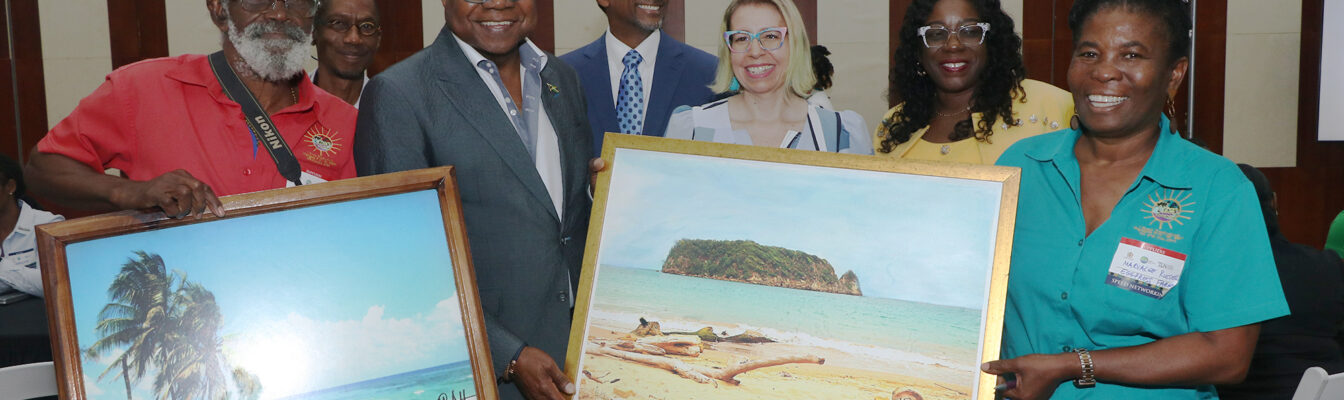
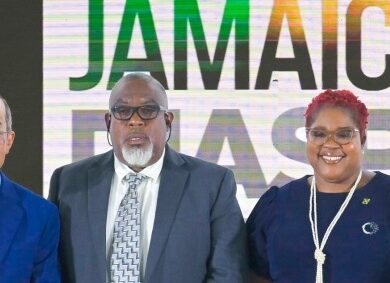
The announcements came on the occasion of the Speed Networking Event, the second since Hurricane Melissa, following a March staging in Negril. This year’s gathering drew 25 tourism entities and 137 manufacturers for pre-scheduled 15-minute meetings across fourteen product categories. Since the initiative launched in 2016, it has facilitated approximately $1 billion in business between local suppliers and the hospitality sector.


Comments