
Is Starlink set to seriously disrupt ISPs in the Caribbean?

Al Edwards / Our Today
administrator
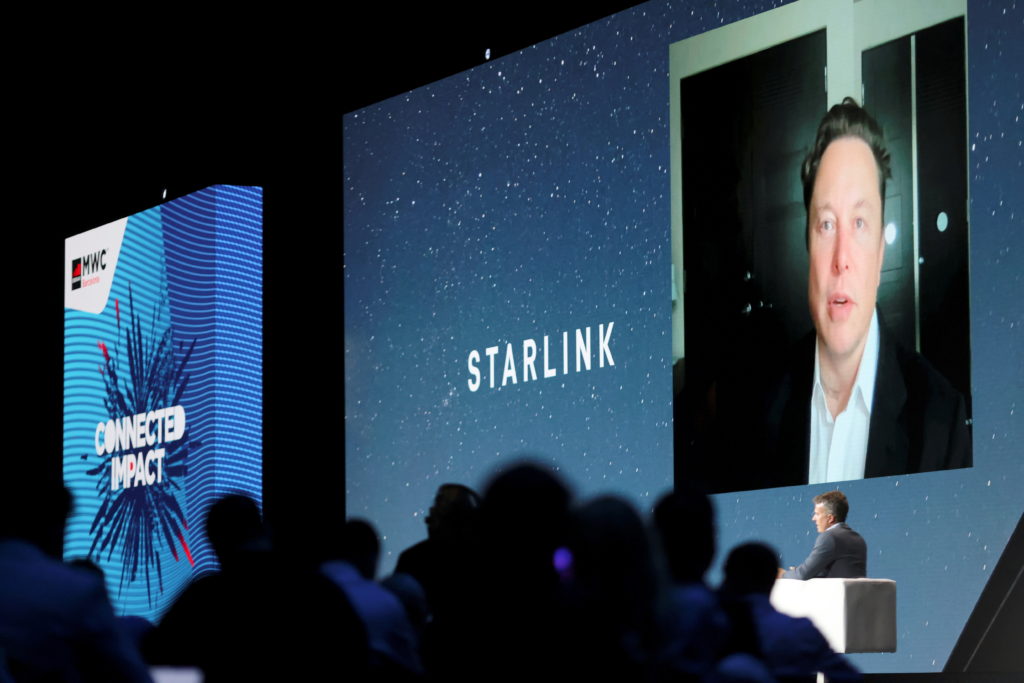
The announcement that Elon Musk’s Starlink is launching its internet services in Jamaica via satellite has no doubt focused the attention of the leading telecommunications companies and internet service providers (ISPs) in the Caribbean.
Last week, it was announced that “Starlink, the world’s first and largest satellite constellation that provides high speed and low-tenancy broadband internet has officially begun operating in Jamaica”.
Space X’s Starlink delivers internet from low orbiting satellites. The internet signals from the satellites are beamed down to ground transceivers which then broadcast directly to a customer’s Starlink router.
This technology is effective for rural users and remote locations and given Jamaica’s topography may provide an answer to ‘why can’t Jamaica have islandwide broadband coverage?”
Starlink isn’t as fast as fibre (used by the major telecoms players) but is looking to get to internet speeds of 10Gbps. The company has around 3,000 satellites orbiting the planet but Musk has plans to put in place 40,000 to provide global internet coverage.
Starlink could be a game changer.
The traditional operators may not be quivering in their boots just yet, as fibre has proven to be reliable and offers a more stable connection. With cables placed in the ground, protection and consistency are selling points.
Some executives from traditional players in Jamaica are asking, ‘will Starlink be regulated as they are by the Office of Utilities Regulation (OUR) or will it be allowed to beam whatever it likes via satellite?’
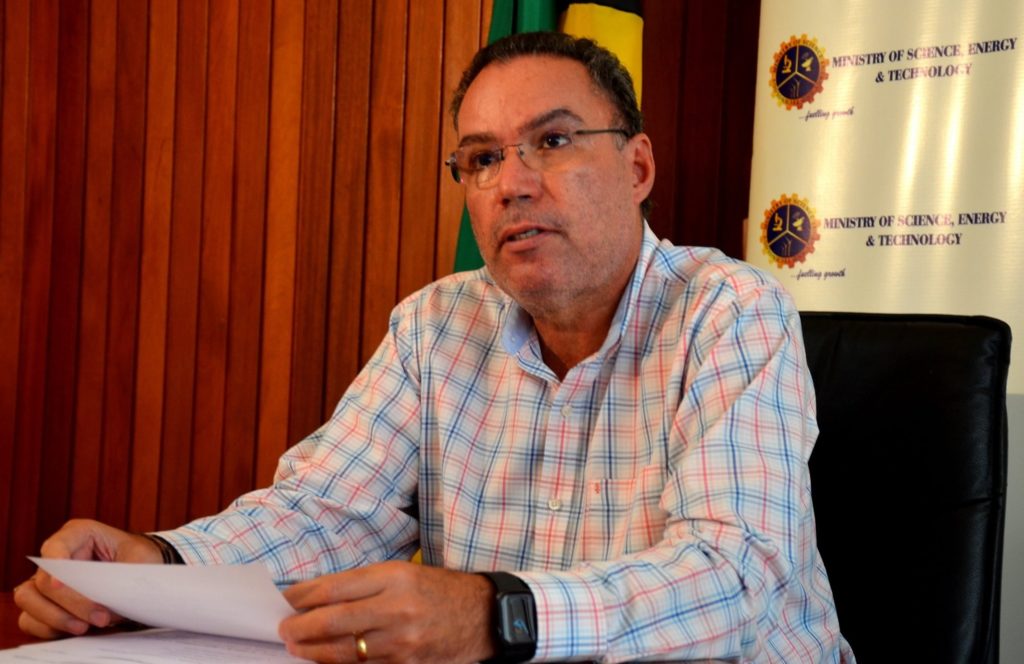
Daryl Vaz, minister of science, energy and technology, has vowed to bring more affordable internet offerings to the country and put in place islandwide coverage. He has made solicitations to Starlink and the company says it can provide a solution.
“We are working assiduously to broaden the connectivity across the island. Starlink is a move in the right direction because, with satellite internet, even the areas that have never been connected previously can have access to high-speed internet now,” said Vaz.
“Consumers will now have more options in choosing service providers. I remain committed to ensuring we continue to advance technologically as this will bolster advancement in education, the medical field and economic growth.”

This is sound reasoning and is in keeping with the Government’s agenda.
Over the last 20 years, Jamaica has moved from just one provider to several with advances in technology benefiting the consumer. It is a more competitive landscape and is set to become more so.
But will telecoms players who have made major investments (over US$1 billion) in Jamaica take kindly to their business being upended? Mark Zuckerberg’s WhatsApp has already rendered traditional mobile voice telephony redundant.
Digicel is up against it where its largest markets in the Caribbean have weak fluctuating currencies with low incomes per capita. It has had to retreat from Panama and, in March 2023, faces unsecured bond payments of US$925 million. The bonds are now at just 60 cents on the dollar and, in May, rating agency Fitch downgraded Digicel due to debt concerns.

With the sale of its Pacific operations and the company insisting that it can make good on its bond payment obligations come March of next year, it may very well ride this danger having to generate cash from the sale of assets.
With Starlink beaming into Jamaica, life has just got more difficult for Digicel.
Denis O’Brien, Digicel’s founder and chairman, has consistently talked about the threat posed by OTTs and bemoaned that they do not pay tax, employ local people or contribute to national development yet cream off excessive revenue with no real investment made.
He has described Facebook as “the most unbelievable and amoral business model one could ever imagine”.
Having to fend off Zuckerberg, will he now have to contend with Musk?
Starlink says it will be bringing impressive latency to Jamaica. Latency is how long it takes for the internet signal to make a round trip from a device, say mobile phone to the server and back in milliseconds.
Here fibre boasts an impressive 17ms, while Starlink is at 19ms with plans to get down to 10ms.
How will Starlink stack up against 5G, said to be the next big thing in telecommunications?
What the people of Jamaica and the Caribbean want to know is how much will this futuristic Starlink cost?
Rural America has welcomed Starlink and, in the US, the service costs around US$80 per month with a one-time fee of US$500 for the equipment kit. Starlink has received more than US$900 million in funding under the FCC’s programmes to provide connectivity to rural and hinterland areas of the vast North American continent.
However, many ISPs there have protested about the threat to their business from Starlink and have asked the FCC to look into the Musk-run company, claiming its technology is experimental and will not stand the test of time.
Musk has provided the Starlink service to help the war effort in Ukraine and to enable its citizens there to communicate despite the bullets and bombs. He has asked the Pentagon to fund it as it is costing him some US$20 million a month with the tech phenom already dropping US$80 million so far and expected to fork out a total of US$100 million by the end of this year.
He says he is providing the cost for terminals, ground stations and maintaining the satellites serving Ukraine.
Musk, the richest man in the world, can bear these costs but it is not incumbent on him to be the saviour of the world. He is a businessman, not a politician.
Already in 36 countries, Starlink will be a force to be reckoned with, provided its service is true and reliable.

Flow is already fostering greater digital inclusion across Jamaica with its JUMP initiative, launched last week. It has partnered with the Universal Service Fund to transform the lives of families throughout Jamaica to power a multiplier effect.
As it is now, around 50 per cent of households in Jamaica don’t have high speed internet. Flow will be bringing 30 Megs and access devices to Jamaican families right across the country. It aims to take the service directly to the beneficiaries and will help the most vulnerable in Jamaica.
JUMP is a public-private partnership.
Starlink is looking to make its presence felt across the entire Caribbean. Musk has already made an application to Haiti’s National Council of Telecommunications (CONTEL) to provide the service there where the internet speed is slow with a download speed of 2.94 Megabits per second.
“Starlink is now available in the Dominican Republic. Excited to expand access to high-speed broadband internet in the Caribbean,” read a SpaceX statement.






Comments