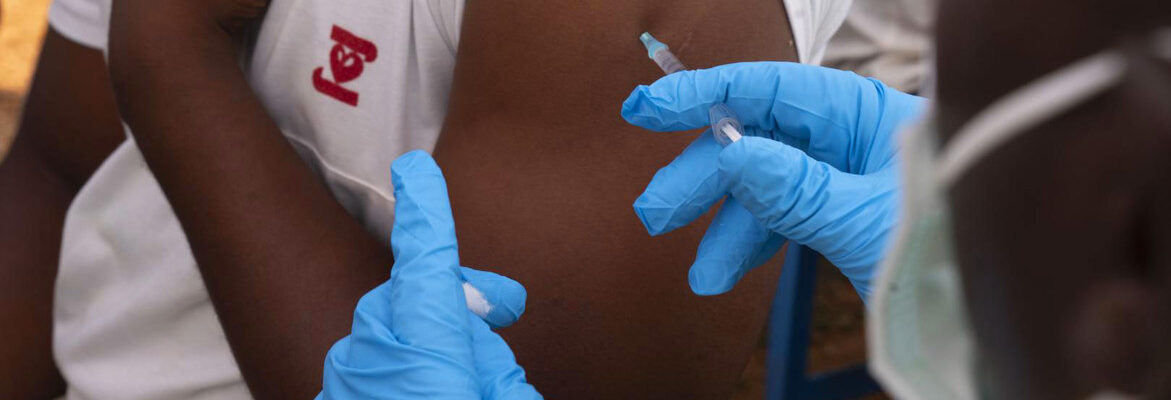

Guinea, one of the poorest countries in African and the world only received a paltry 25 doses
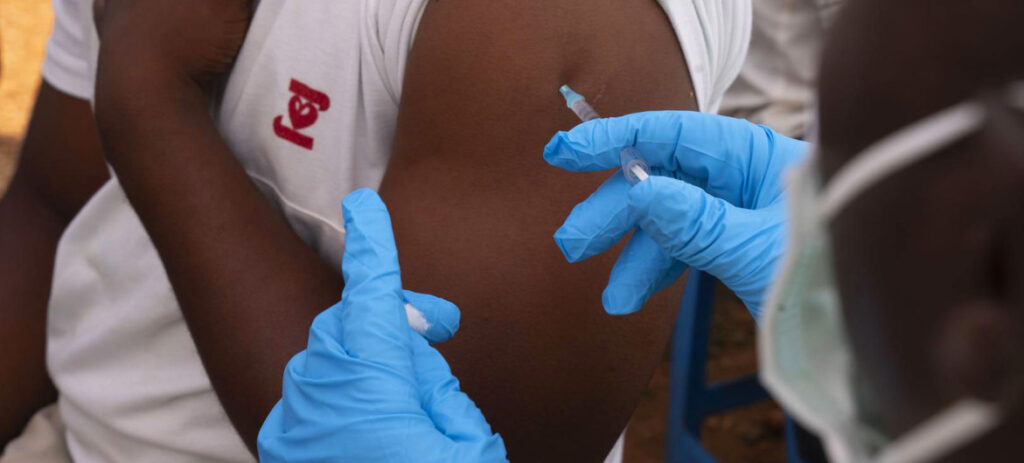
There is growing evidence that African countries, mostly those in the lower-income bracket, are being starved of COVID-19 vaccines, which represents a clear and present danger for the continent.
In fact, news is emerging that Guinea, one of the poorest countries in Africa and the world only received a paltry 25 doses, which is being viewed as shame and disgrace. Guinea is listed as one of the world’s 29 low-income countries.
Head of the World Health Organization (WHO), Tedros Adhanom Ghebreyesus told an executive board meeting of the organization last month about an African country receiving a paltry 25 doses of vaccines against the novel coronavirus disease (COVID-19). He did not name the country, which has since been identified as Guinea.
The WHO boss have expressed the view that the world is on the brink of a catastrophic moral failure highlighting that the price as usual will be paid by the poorest countries, where lives and livelihoods have already been wiped out by the pandemic. Ghebreyesus made reference to the hope that was raised in 2020 by the many initiatives launched by WHO to ensure equitable access to COVID-19 vaccines.
Initiatives launched to ensure equity access and distribution
These initiatives include the ACT Accelerator and COVAX, a global collaboration designed to speed up the development, manufacturing and equitable distribution of new vaccines but the experience has been that rich countries have been gobbling up and hoarding the COVID-19 vaccines at the expense of poorer countries.

The observation has been that rich nations and drug companies are rushing to sign bilateral deals instead of giving priority to COVAX. This is because it is a great time for vaccine makers to make a fortune while poor nations can only look on helplessly in their effort to get access to the COVID-19 vaccines.
The WHO has reported that some 44 bilateral deals were signed last year and more than a dozen this year, meaning that even younger, healthier adults in rich countries are vaccinated before the health workers and older people in poorer countries get their shots.
COVAX, which is funded by philanthropists and a clutch of rich countries has managed to secure two billion doses from five producers and will hopefully get another billion doses. However, the planned rollout has still not started, which has prompted many African nations to scramble for supplies on their own to get the vaccines, signing deals at very high rates that are three times the price paid by the European Union for the AstraZeneca vaccine.
High price being charged for poor countries
For instance, South Africa, with one of the highest cases of COVID-19, bought 1.5 million doses from the Serum Institute of India at US$5.25 per dose compared with $2.50 per shot negotiated by the Europeans. The explanation used to extract this high price from South Africa was that Serum Institute, a huge contract manufacturer applied a tiered pricing system based on the income category of the buyers.
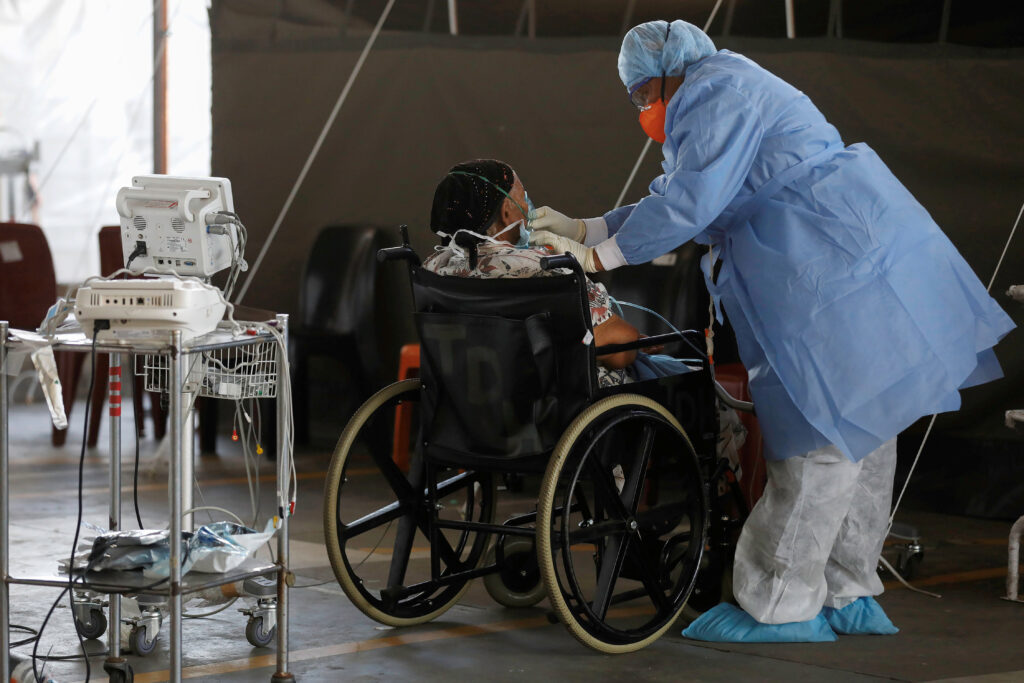
As such South Africa, while still way behind the EU nations, is listed as an upper-middle-income country, thus coming in the high-income category. The explanation given to South Africa is that these countries were given a discount for their investments in research and development.
This argument still runs counter to the experience of Uganda, which was being asked to pay US$7 per dose even still being a low-income country. There has been global outrage over this revelation and calls for more equity in price and distribution of the COVID-19 vaccines.


Comments