
Average yield on the BOJ CD’s and other money market securities could rise

/ Our Today
administrator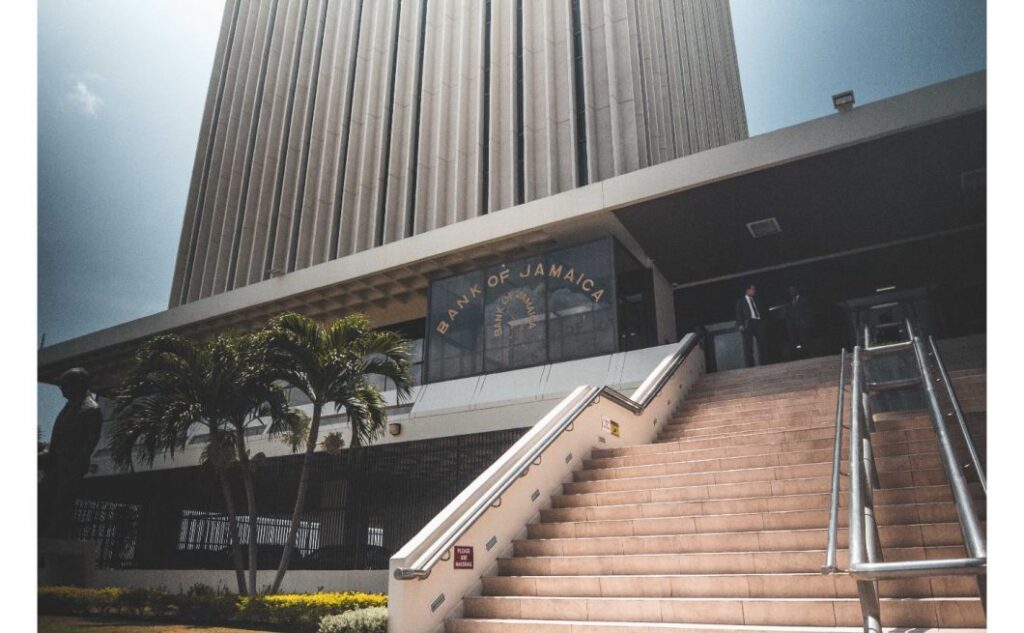
Durrant Pate/Contributor
Analysts are projecting that the average yield on the Bank of Jamaia ( BOJ) certificate of deposits (CDs) and other money market securities could rise given expectations for elevated inflation and a slower-than-expected pace of reduction in interest rates.
The analysts from NCB Capital markets argue that the elevated cost of these securities are also as a result of the BOJ’s decision to hold interest rates steady at 5.75% and remain proactive in preserving relative stability in the foreign exchange market and the fact that the losses as a result of the passage of Hurricane Melissa on October 28, 2025 was greater than initially projected. In its assessment earlier this month, the BOJ’s Monetary Policy Committee, which sets its benchmark interest rate, raised concerns that the impact of Hurricane Melissa on the economy was more pronounced than initially anticipated, creating greater inflation risks.
More recent estimates indicate that damage to infrastructure is in excess of 40% of Jamaica’s gross domestic product (GDP), above the previous estimate of 30%. Meanwhile, the agriculture sector experienced damage amounting to approximately 50% of the sector’s 2024 GDP. The larger damage means that the initial impact on agriculture and electricity prices, as well as the later effect on the prices of other goods and services (the second-round impact) of this initial jump, is likely to be stronger and more persistent than initially anticipated.
Consequently, annual headline inflation is expected to rise sharply over the next few months from 4.4% in November 2025 and remain elevated for the near-term. In this context, inflation will likely exceed the Bank’s inflation target of 4.0%-6.0% by early 2026. This rise primarily reflects the hurricane’s impact on the major food producing parishes and disruptions to supply chains (particularly in energy and agriculture), which monetary policy cannot affect. Against that background, the average yield on the BOJ certificate of deposits and other money market securities could rise.

Money market liquidity
Last week, Jamaican dollar money market liquidity, as measured by the aggregated current balances held by Deposit-Taking Institutions (DTIs) increased marginally. As at December 18, 2025, the total aggregate current balance amounted to J$60.69 billion, increasing by 3.3% compared to the previous week. Demand for money market instruments increased as evidenced by the oversubscription in the BOJ’s weekly 30-day CD auctions. Total bids were J$42.55 billion against an issue size of J$36.00 billion, resulting in a bid-to-offer ratio of 1.18x, up from 0.99x in the prior week.
Meanwhile, the average yield inched up marginally to 5.96% from 5.94% the previous week. Additionally, the BOJ conducted a 14-day Repurchase Operation with deposit-taking institutions in the amount of J$1.00 billion, less than the J$1.50 billion offered the week prior.. The total value of bids received was $1.35 billion, implying a 1.35x bid-offer ratio. The weighted average yield was 6.28%, down 1 basis point from the previous auction.

FX market operation
In the Foreign Exchange (FX) market, the local currency appreciated slightly in trading activity last week, with the USD selling rate easing from J$160.92 to J$160.30 last Friday December 19, 2025. During that week, the BOJ intervened in the market, injecting US$40.0 million in the market through the BFXITT programme, which likely aided in the appreciation of the Jamaican dollar. Going forward, supply for the USD is expected to increase at this time of year, owing to cyclically higher US inflows from remittances and from BPOs.






Comments