
Further signs communist republic opening up economy

The Caribbean communist republic of Cuba scrapped a ban on most private businesses on Saturday, the latest in a flurry of long-awaited reforms to its communist system.
Arising from this move, Cubans will now be able to start a private business in most sectors. The move is being seen as a sign that Cuba is opening up its economy and that the government’s grip is loosening.
This latest action on the part of the Cuban government is a continuation of the series of reforms started in 2010 that have allowed Cubans to work as “self-employed people” in the private sector. However, they can currently only have jobs in 127 narrow categories defined by the communist-led government.
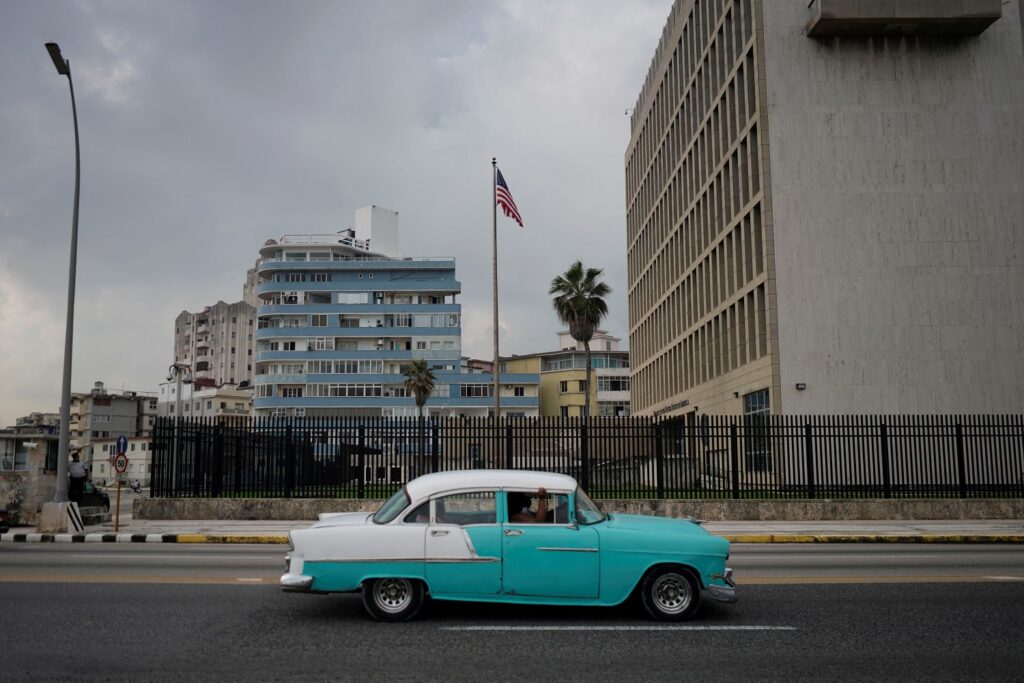
Most of the 600,000 licences granted by 2020 cover service industry jobs like running a restaurant, or driving a taxi. However, on Saturday, the Cuban Labor Ministry announced that the list will be abolished.
Details of the new list of permissible job categories
Instead, there will be a list of 124 jobs prohibited for the private sector and the rest of the more than 2,000 legal economic activities identified by the government will be fair game. This latest action on the part of the communist regime represents what some observers say is the biggest shift in Cuba’s system for a decade.
The reform will also change the type of career that Cubans can pursue outside of the public sector. Analysts say the labour reform should help to stem social discontent about the economic crisis.
Currently, outside of low state salaries, Cubans can largely only legally make money from low-skilled jobs. Many professional fields like medicine, teaching and law are likely to appear on the new list of jobs that can be performed only by state employees.
However, other fields like technical services, engineering and economics are likely to open to the private sector for the first time.
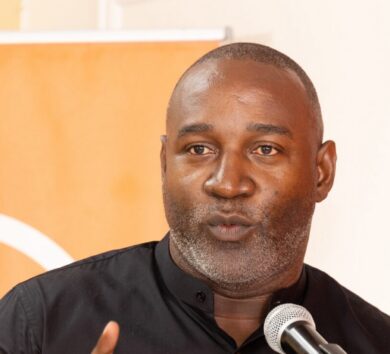
A Cuban entrepreneur, who runs a consultancy helping self-employed people run businesses on the island, Oniel Díaz Castellanos, remarked that, “this is a fundamental, historic change that we’ve been asking for for a long time… . There are a lot of businesses that were illegal and now can be legalised, and there’s going to be a lot of innovative ideas that will be unleashed.”
Decision by Labour Ministry represents an economic opportunity
He described the decision by the Cuban Labour Ministry as, “an economic opportunity not just for entrepreneurs but for the country”.
It is being viewed that the current economic situation in Cuba has forced the hand of the government, given that the Caribbean island is badly in need of an economic boost as the COVID-19 pandemic has injured an economy that was already struggling under the weight of U.S. sanctions introduced by the Trump Administration in 2017.
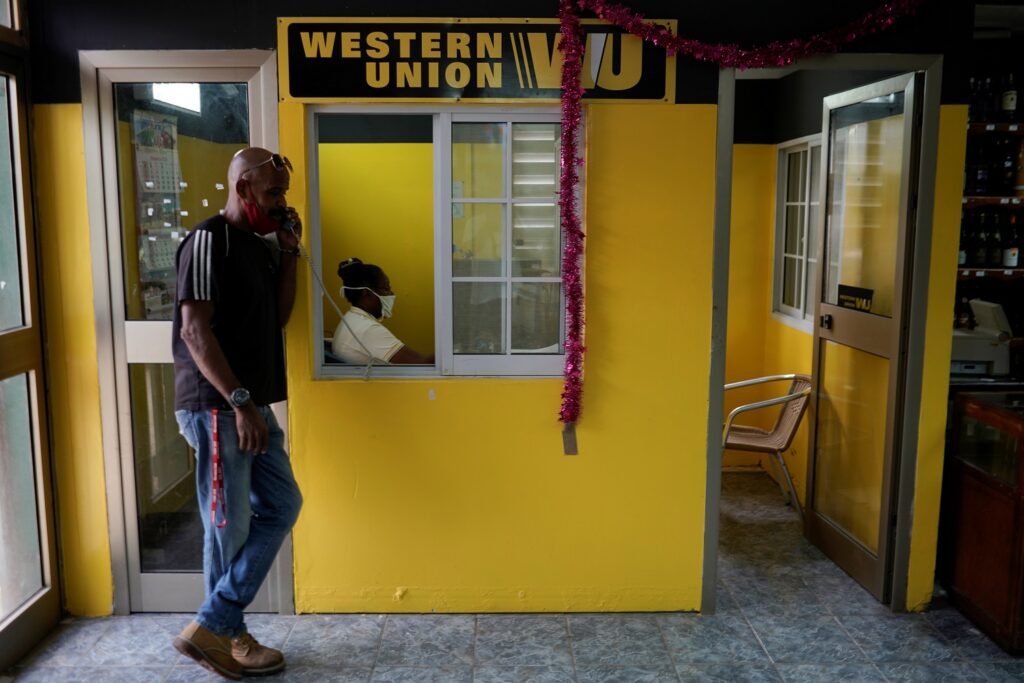
Global travel restrictions have shut down the island’s tourism sector, which is the primary market for the businesses run by self-employed Cubans and a crucial source of foreign exchange for the government. Last December it was estimated that the Cuban economy had shrunk by 11 per cent since the start of 2020.
The economic crunch has pushed the government to act on a series of long-planned reforms such as the launching of a programme of “monetary reordering” – which is rapidly devaluing its currency, the Cuban peso, against the US dollar – and scrapping a secondary “convertible” form of the peso that circulated on the island. At the same time, the government removed universal subsidies on a wide range of goods.
As a result, prices in local stores have risen sharply with inflation rising and the black market value of the dollar spiking.



Comments