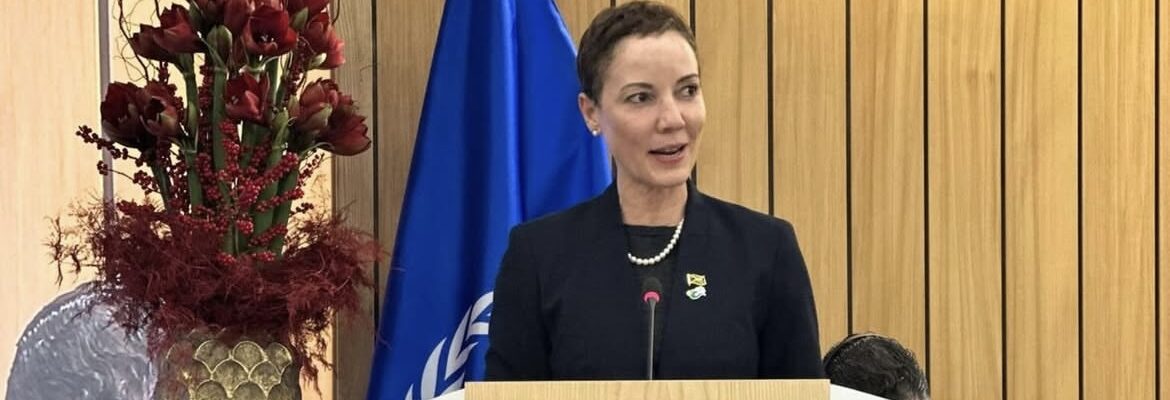
Denton Smith | When politics sends doctors home

/ Our Today
administrator
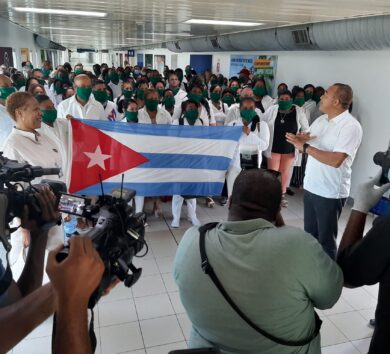
For more than half a century, Cuban doctors have quietly helped hold together the fragile seam
of Jamaica’s public health system. From rural clinics to busy emergency rooms, they have served
communities where there were simply not enough doctors willing or able to go. Their presence
was never merely symbolic; it was practical, lifesaving, and deeply human.
Now, that partnership appears to be ending.
The Jamaican government’s decision to dismantle decades of medical cooperation with Cuba—a
programme that has served this country for nearly fifty years—raises troubling questions about
whose interests are truly being served. Officials suggest the two governments simply “agreed on
terms,” but many Jamaicans are unlikely to accept such a convenient explanation without
considering the political context surrounding this decision.
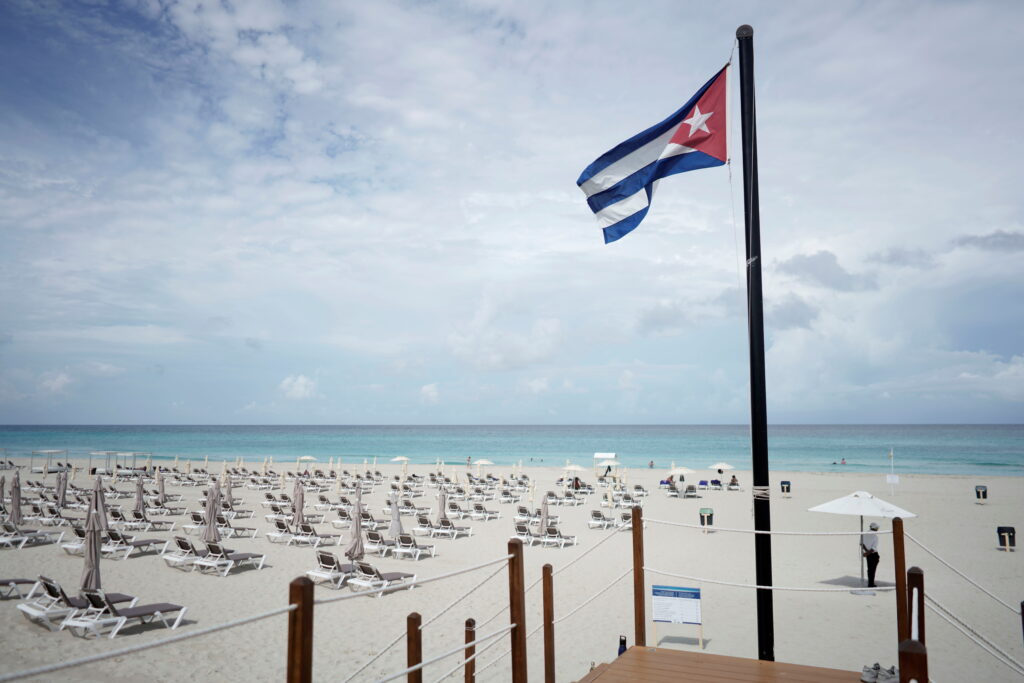
It is difficult to ignore the timing. The shift comes amid renewed scrutiny from Washington over
Cuba’s overseas medical programmes and increased rhetoric from American officials about the
arrangement. Whether openly acknowledged or quietly understood, the message from the United
States has been unmistakable.
We have seen this story before.
In 1980, the government led by Edward Seaga severed diplomatic relations with Cuba under
intense Cold War pressure from the United States. That decision reflected the geopolitical
tensions of the era, but Jamaica eventually restored those ties because cooperation with Cuba
proved beneficial to national development, particularly in health care and education.
Today, we appear to be repeating that cycle.
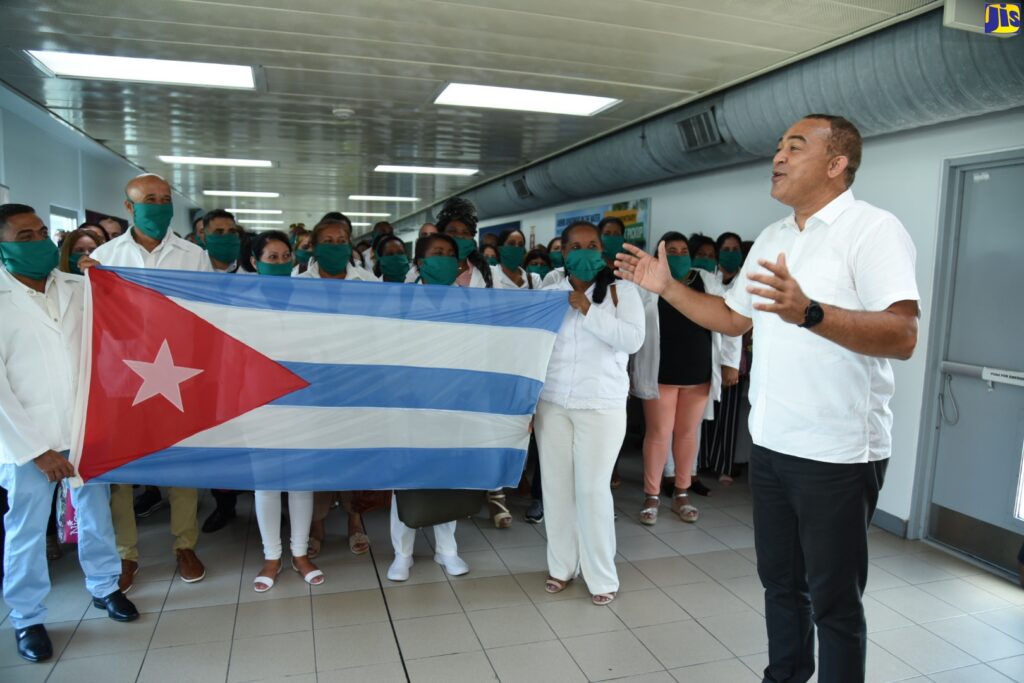
For decades, Cuban medical professionals have filled critical gaps in Jamaica’s healthcare
system. In remote parishes and overstretched hospitals, they have worked long hours, treated
thousands of patients, and served communities that otherwise might have gone without
consistent medical care. Their contribution was never about ideology; it was about service.
Ending that collaboration is not simply a foreign policy adjustment—it is a public health decision
with real consequences.
Jamaica already faces persistent shortages of doctors, nurses, and specialists. Many local
professionals migrate to countries offering better pay and working conditions. The Cuban
programme helped stabilise that imbalance. Without it, the burden on the system will intensify,
waiting times will grow longer, and vulnerable communities will feel the impact first.
The poor will suffer most.
Healthcare in Jamaica has always been a delicate balance between limited resources and
overwhelming need. Removing trained medical personnel without a clear replacement strategy
risks pushing an already strained system closer to crisis.
Foreign policy should never come at the expense of public health. Jamaicans deserve
transparency when decisions with such far-reaching consequences are made.
Doctors should never become collateral damage in geopolitical battles—because when the
politics move on, it will be ordinary Jamaicans left waiting in line for care.
Comments