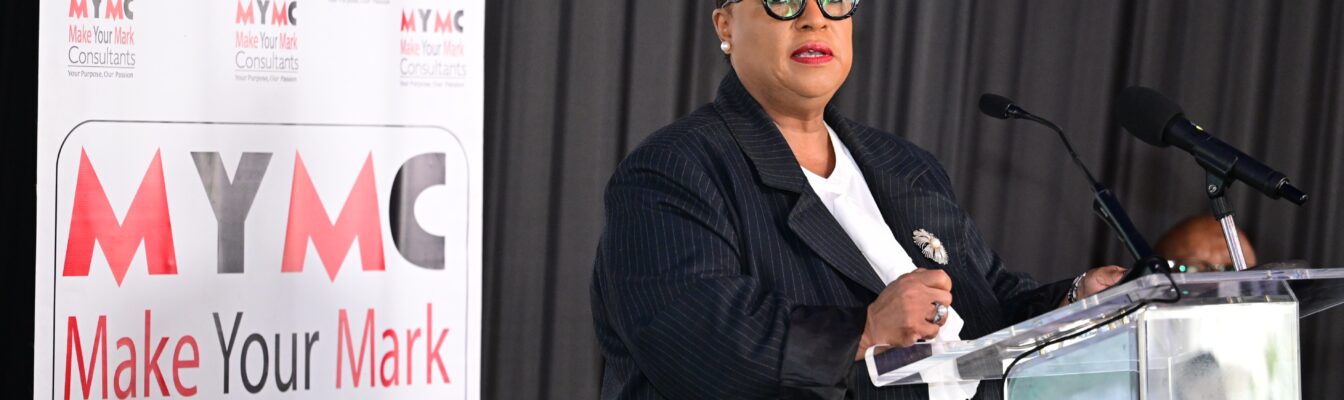
Dr Jacqueline Coke-Lloyd | Why doing more is killing leadership effectiveness

/ Our Today
administrator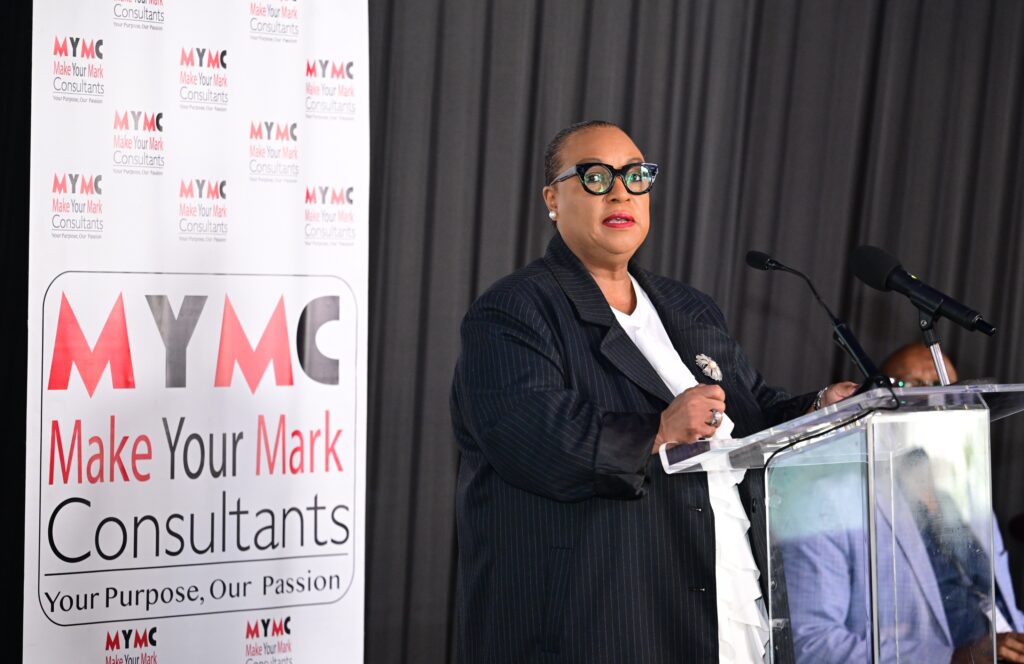
The most overworked person in many organisations today is not the frontline employee; it is the manager.
From early mornings to late evenings, managers are responding to emails, attending back-to-back meetings, reviewing work, solving problems, and stepping in wherever gaps appear. They are seen as reliable, committed, and hands-on.
Yet, despite all this effort, many teams remain slow, dependent, and underdeveloped.
This is not a coincidence. It is a leadership pattern.
Across industries, a growing number of leaders are experiencing the same challenge: the more they do, the less effective their teams become. What feels like productivity is often a hidden constraint on performance.
Many leaders have built their careers on being capable. They are problem-solvers, high performers, and individuals who deliver results. But the skills that made them successful as individual contributors are not the same skills required to lead at scale.
Leadership is no longer about personal output. It is about collective performance.
Organisations are operating in a faster, more complex, and increasingly technology-driven world. Artificial intelligence is accelerating workflows. Teams are expected to be more agile. Decisions must be made quickly, and execution must keep pace with change.
In this environment, a leader who remains at the centre of every task, decision, and solution becomes a bottleneck, no matter how capable they are.
The challenge is not effort. It is an approach.
Many managers continue to operate as the primary driver of results, rather than the enabler of results through others. They review everything, fix everything, and carry responsibilities that should be shared across the team. Over time, this creates a cycle of dependency, where employees wait for direction instead of taking initiative.
The result is predictable: leaders become overwhelmed, and teams fail to reach their full potential.
The most effective organisations are breaking away from this pattern. They are redefining what leadership looks like.
Leadership today is not about being the most capable person in the room. It is about building a room full of capable people, and trusting them to perform.
This requires a deliberate shift.
It means moving from control to clarity. From involvement in every detail to alignment on outcomes. From solving problems personally to developing the problem-solving capacity of the team.
This shift is not always easy. It requires leaders to let go of habits that once defined their success. It requires trust, patience, and a willingness to invest time in developing others.
However, the returns are significant.
Teams that are trusted with meaningful responsibility become more engaged. They think more critically, act more decisively, and contribute at a higher level. Work moves faster because decisions are not waiting for a single point of approval. Innovation improves because more people are actively solving problems.
Most importantly, leaders regain the capacity to focus on what truly matters: strategy, direction, and growth.
As Dr Jacqueline Coke-Lloyd, founder and managing director of Make Your Mark Consultants, explains,
“Leadership is not proven by how much you can do. It is proven by how effectively others can perform because of your leadership.”
This perspective is becoming increasingly important for organisations navigating today’s challenges. Talent retention, employee engagement, and organisational agility are no longer optional; they are critical to sustained success.
Managers sit at the centre of all three.
Research continues to show that managers have a direct impact on how employees experience their work, how they perform, and whether they remain within the organisation. When managers are effective, teams thrive. When they are not, even strong organisations struggle.
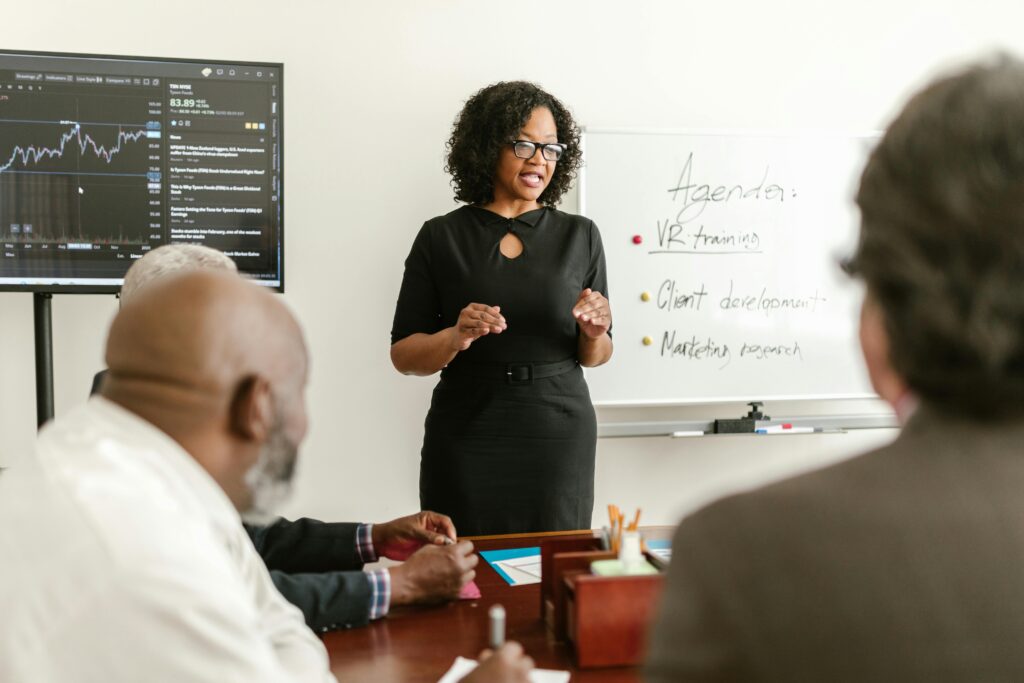
The question, therefore, is not whether leaders are working hard. It is whether they are working in a way that builds capability beyond themselves.
In a world where speed, adaptability, and innovation define success, organisations cannot afford leadership models that rely on individual effort alone.
The leaders who will make the greatest impact are not those who do the most, but those who enable the most to be done.
The shift is clear… From doing more to leading better.
Dr Jacqueline Coke-Lloyd is the founder and managing director of Make Your Mark Consultants.





Comments