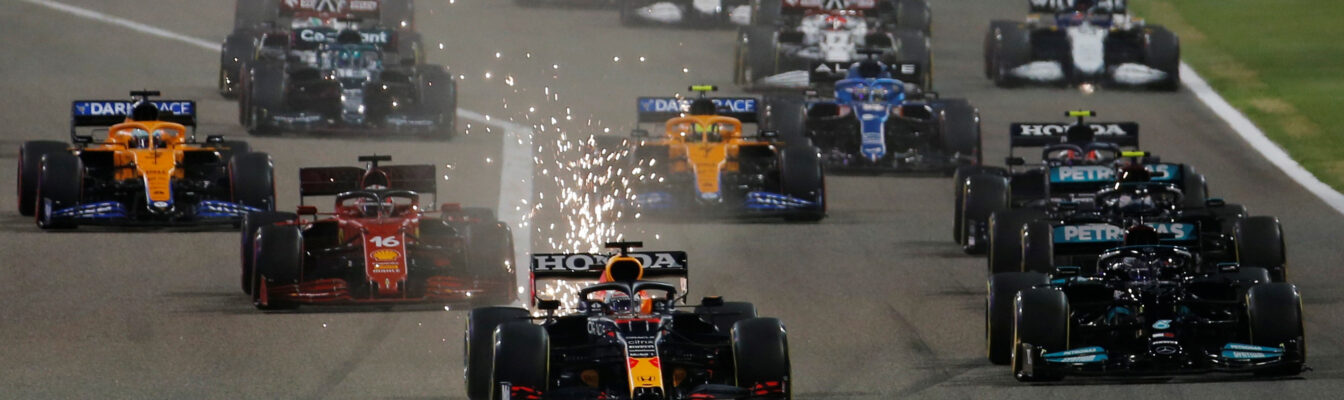
F1 enters radical 2026 overhaul with smaller cars, new power units, uncertain racing

/ Our Today
administrator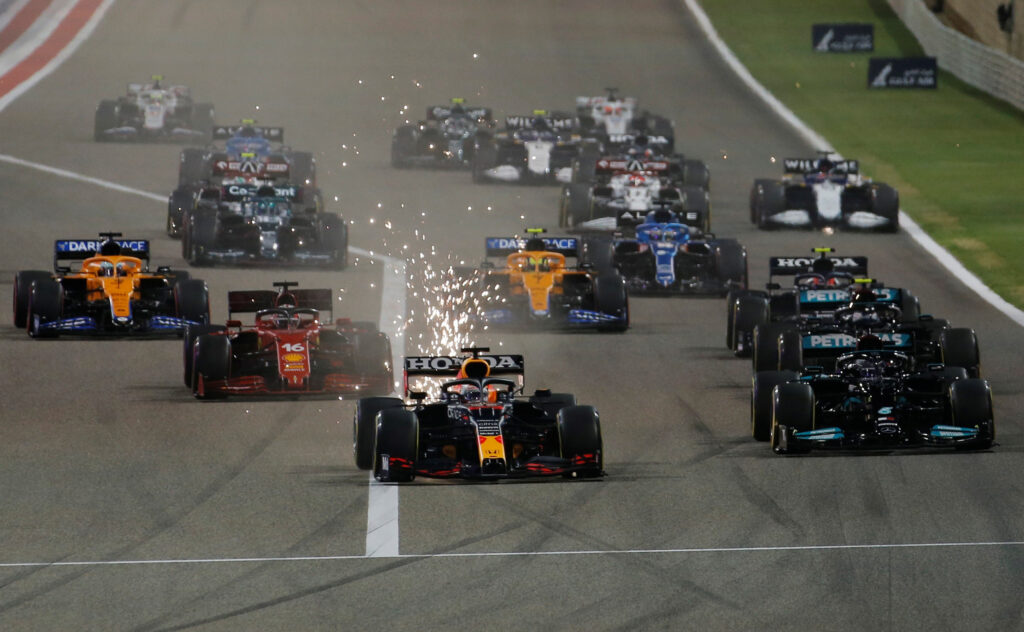
Chalien Dantes/Contributor
The 2025 Formula 1 season is in the books, and McLaren leave it with both titles tucked under their arms. But the celebrations won’t last long, because the sport is about to dive into one of the biggest shake ups it has ever faced.
Starting next year, F1 enters a new era of technical rules and expands to an 11-team grid. The 2026 regulations overhaul almost everything: the size of the cars, power units, aerodynamics, and even the fuel itself.
The machines will shrink, becoming lighter and slimmer. Expect cars roughly 30kg lighter, 10cm narrower, and far more agile. Under the bodywork, engines will run on fully sustainable fuels and rely on a roughly even split between electric power and internal combustion. It’s the boldest engineering shift the sport has attempted.
How will this change the racing? That’s the big, uncomfortable question. No one truly knows, because F1 has never altered the chassis and engine rules this deeply and at the same time.
The engines remain 1.6-litre V6 turbo hybrids, but the MGU-H the device that harvested energy from the turbo, is gone. Meanwhile, the hybrid side of the power unit jumps to roughly half the overall output. That alone forced engineers to rethink the entire aerodynamic package.
The ground effect under floors that returned in 2022 is being abandoned. In their place, F1 is introducing movable front and rear wings designed to boost straight-line speed and help recover more energy under braking. Drivers have voiced concerns about how the cars will behave, and early whispers suggest things may feel unusual. In some corners, the engine could be screaming at maximum revs, not to go faster, but to pump electricity back into the battery.
DRS, the familiar overtaking aid, is also gone. The adjustable rear wing is now needed for other tasks, so F1 is turning to a different system for helping cars pass each other, one that has yet to prove itself on track.
The only certainty heading into 2026 is that everything will feel new. Whether it produces better racing or a wild learning curve, the sport is about to find out.





Comments