
Fed lowers rates for the second time this year despite concerns about inflation

Al Edwards / Our Today
administrator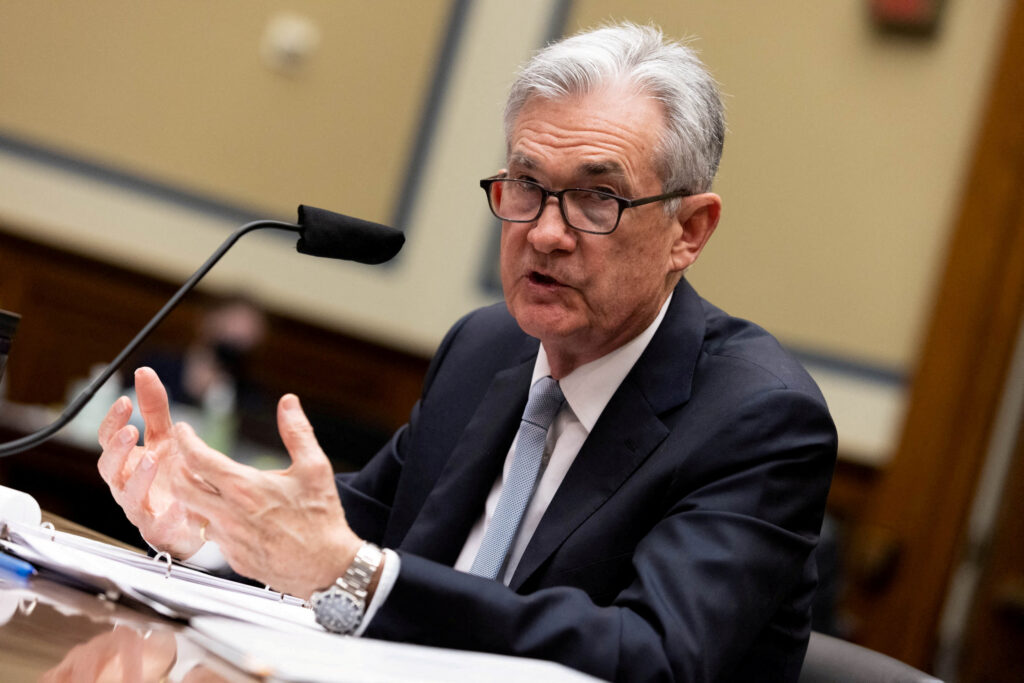
The US Federal Reserve, headed by Jerome Powell, has decided to lower the benchmark overnight borrowing rate to between 3.75 and 4.00 per cent, the rate that influences what banks charge each other for short-term loans.
This is the lowest level in three years and comes a month after the last cut.
President Donald Trump has consistently called for the Federal Reserve to lower rates and said that Jerome Powell is often too late in assessing and acting on the economy.
The Federal Reserve took the decision to lower rates despite the absence of important federal government data being delayed due to the prolonged shutdown.
Giving an overview of the American economy, the Fed said: “The economic activity continues to expand at a moderate pace although job growth was slowed and unemployment edged higher in recent months. Inflation, while still elevated has show signs of gradual moderation since earlier this year.”
As it stands, inflation is above the Fed’s target of 2 per cent. The Consumer Price Index revealed that core inflation (excluding food and energy prices) climbed to 3 per cent in September.
President Trump believes lower borrowing costs should help with credit card payments and mortgage rates.
The decision to lower rates was not unanimous. Jeff Schmid wanted to hold rates steady while Trump governor appointee Stephen Miran was keen to cut the rate by half a percentage point. This is the second cut this year.
Addressing calls for another cut in December, Fed Chair Jerome Powell said: “There were strongly differing views about how to proceed in December. There’s a growing chorus now of “maybe this is where we should at least wait a cycle before cutting rates again.”
With the government unable to prepare reports and do data analysis due to a budget dispute between the Republicans and Democrats which has now dragged into a second month, it makes it difficult for the Fed to gauge the temperature of the economy and act accordingly. Then there is President Trump breathing down Powell’s neck, insisting that he lowers rates faster.
Taking about the insufficient data situation, Powell said: “We’re going to collect every scrap of data we can find, evaluate it and think carefully about it—that’s our job.
“If you asked me, could it affect…the December meeting I’m not saying it’s going to, but yeah, you could imagine that. You know what do you do if you’re driving in the fog? You slow down.”




Comments