Fisheries ministry invests $180M in phase 2 of Hurricane Melissa Recovery Programme
Josimar Scott / Our Today
author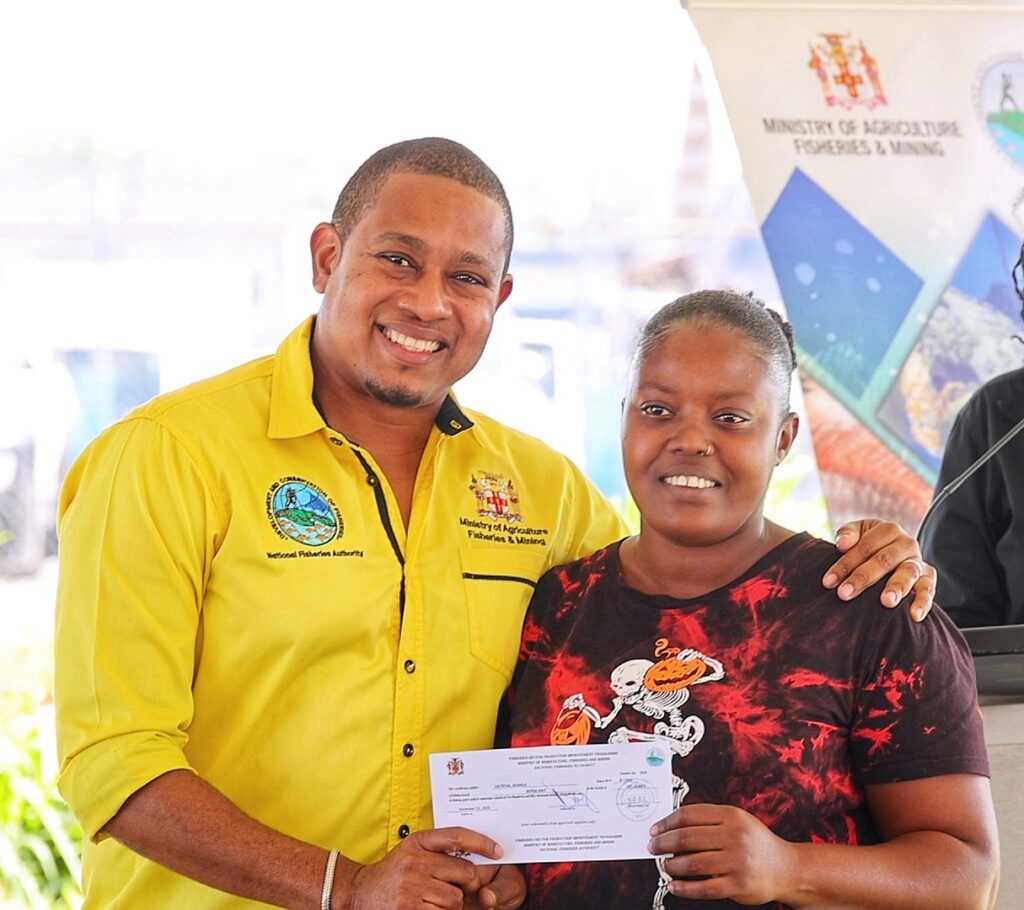
The Ministry of Agriculture, Fisheries and Mining has officially launched Phase 2 of the Fisheries Hurricane Melissa Recovery Programme.
Through the National Fisheries Authority (NFA), the ministry will make a massive $180-million investment to restore Jamaica’s fisheries sector, as part of phase 2 of the programme.
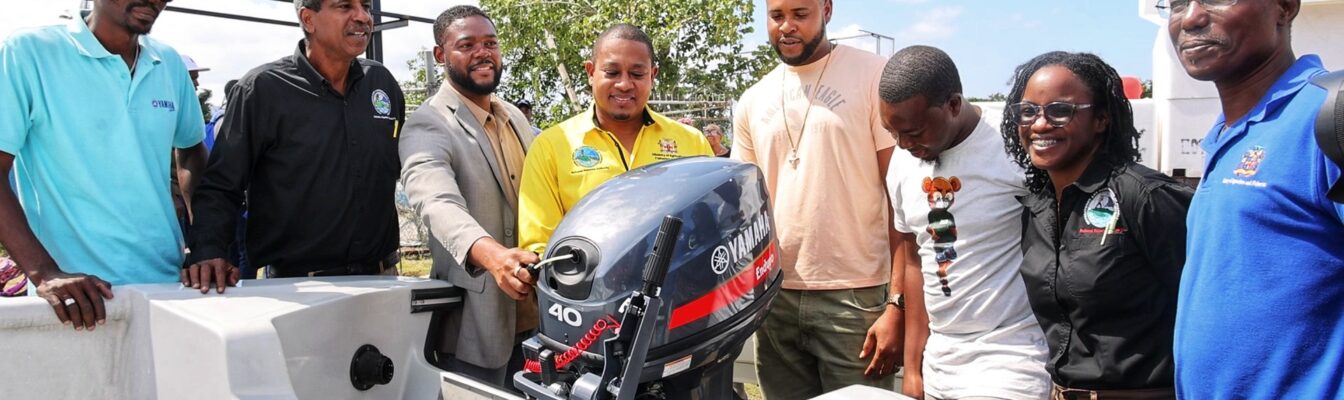
During the launch, the Ministry of Agriculture, Fisheries and Mining handed over four new boats and engines to young fishers under the Fisheries Production Incentive Programme.
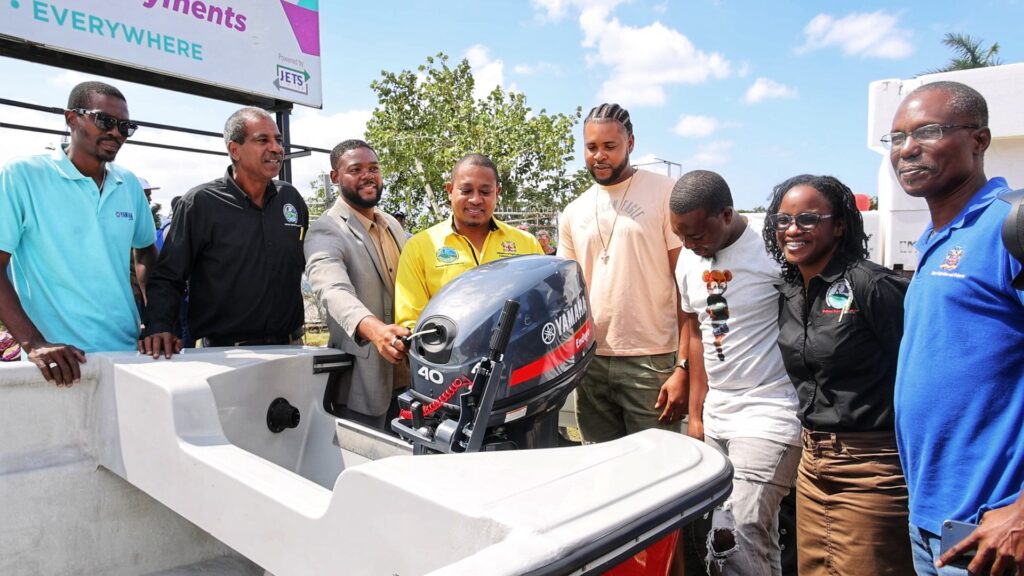
The event marked a dual-purpose intervention: providing immediate relief to those devastated by Hurricane Melissa while simultaneously investing in the long-term modernisation of the industry.
Restoring livelihoods after Hurricane Melissa
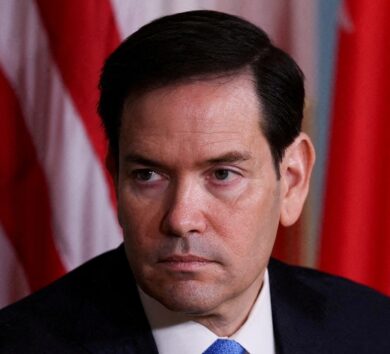
Following assessments revealing losses of more than $5.7 billion to the industry, Minister of Agriculture, Fisheries and Mining Floyd Green initiated a structured approach to support fishers as they return to their livelihoods. Phase 2 of the recovery introduces direct grant support for vessel and engine repairs.
“We have moved from the clean-up phase to providing the actual cash and resources needed to rebuild,” Green said at a handover ceremony at the National Fisheries Authority’s Montego Bay office on February 13.
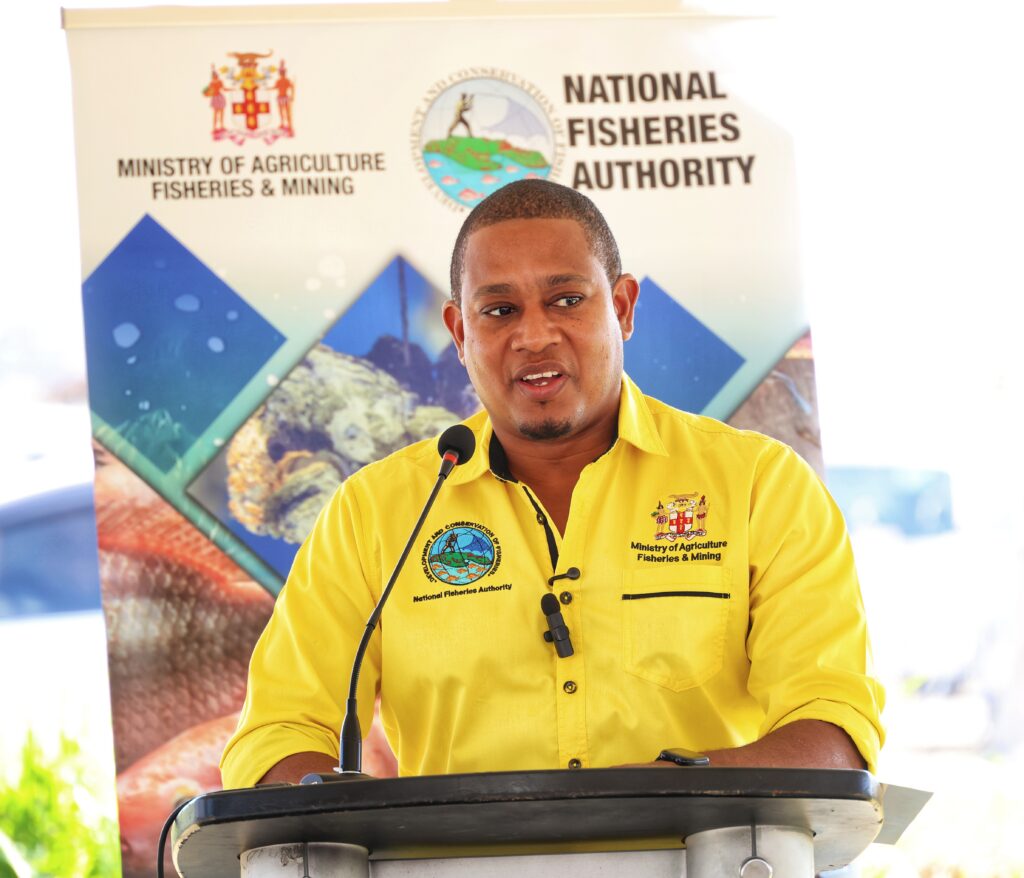
“Today, we are distributing vouchers ranging from $150,000 for boat repairs up to $500,000 for engine replacements to help our fishers recover their stability,” the Minister added.
Key recovery highlights include:
- Direct Grants: 18 recipients from St. James received vouchers totalling over $7.2 million for immediate repairs.
- Infrastructure & Potable Water: The installation of 2,500-gallon water tanks at critical beaches, including River Bay, to ensure fishers have consistent access to clean water for post-harvest practices.
- Gear Distribution: Over 2,000 rolls of wire mesh, valued at $35 million, have already been distributed across the island to support fishers in replacing lost or damaged fish pots.
Investing in the Next Generation
Despite the setbacks caused by Hurricane Melissa, Minister Green emphasised that the Government remains committed to its five-year goal of distributing 100 boats to registered fishers under the age of 35.

“To build a resilient sector, we must make it easier for young people to enter this industry. We know the cost of a boat and engine is a significant barrier,” Minister Green highlighted.
In addition to the youth-targeted vessels, the minister announced the procurement of 20 additional boats to be managed communally, assisting those who lost everything in the storm.
Modernising the ‘Blue Economy’
Minister Green challenged fishers to look beyond traditional nearshore fishing, which has seen depleted stocks over the years. He highlighted ongoing training in pelagic (deep-sea) fishing and the deployment of Fish Aggregating Devices (FADs) to ensure more sustainable and profitable catches.
“We are not just building back; we are building a massively strong fisheries sector,” he declared.
“Jamaica imports too much fish for an island with a marine space 20 times its landmass. These new, purpose-built vessels will allow our fishers to go further out and catch larger species, ensuring our food security.”
A vision for River Bay, Montego Bay
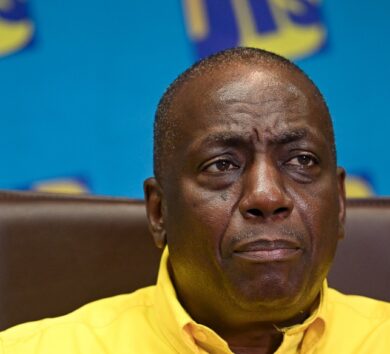
Mayor of Montego Bay Councillor Richard Vernon welcomed the intervention, noting that the development of fishing beaches is central to the city’s urban plans. The mayor expressed a desire to see River Bay transformed into a premier destination where the local economy and tourism intersect.
“We want this property to be a microcosm of the larger city space,” Mayor Vernon said.
“By partnering with the NFA and the Urban Development Corporation (UDC), we can ensure that our fisherfolk have world-class facilities that meet the demands of the modern economy,” he added.
The Ministry and the National Fisheries Authority (NFA) will continue rolling out the recovery programme across the hardest-hit parishes, including Westmoreland, St Elizabeth and Hanover, in the coming weeks.




Comments