
Golding, Windalco or both? Jamaicans confused by fish restock of Rio Cobre

/ Our Today
administrator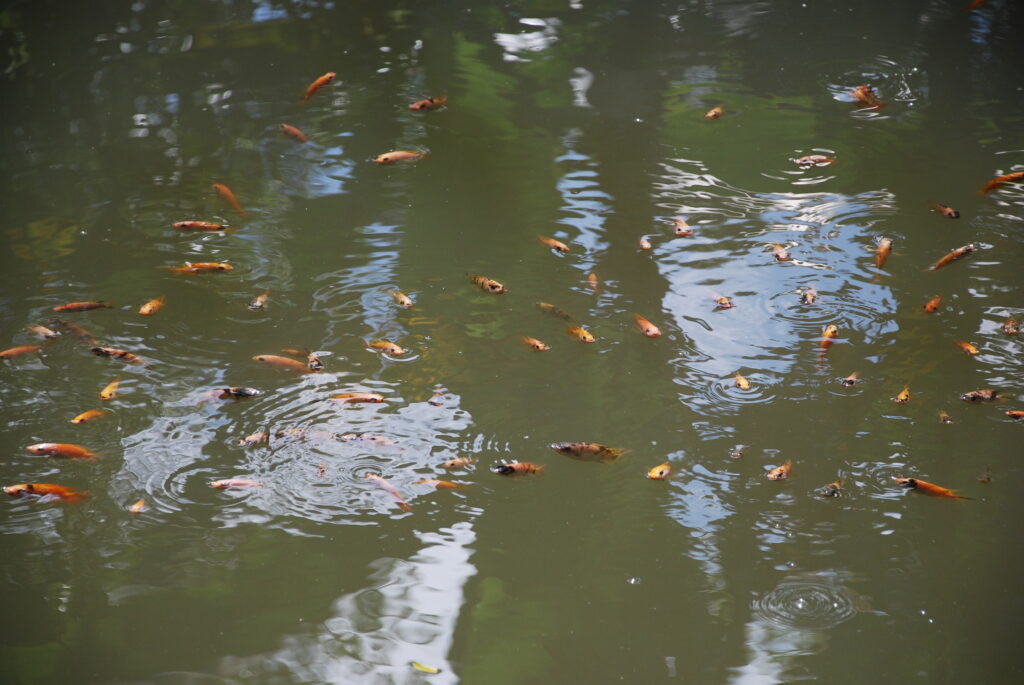
Confusion still lingers among Jamaicans on social media today (July 1) whether Opposition Leader Mark Golding, mining company Windalco or a combination of the two was behind Friday’s fish restocking at the Rio Cobre in St Catherine.
Windalco, in an issued media statement, indicated that the over 4,000 tilapia fingerlings released into the Rio Cobre was the first in a four-phase initiative to replenish fish stock in Jamaica’s deepest river.
The company, whose previous effluent discharge in August 2022 led to a devastating fish kill, coordinated the restocking through its environment and safety department in conjunction with the National Fisheries Authority (NFA).
Golding, however, said that in fulfillment of a promise made to residents along the Rio Cobre last year, the restocking effort, wholly constituting juvenile fish, was in collaboration with Longville Park Farm owner Donnie Bunting.
Lamenting the ‘drawn-out’ process faced by the team, Golding, who himself was not present but represented by junior shadow minister Lenroy James, tweeted yesterday the outcome was just the first in a “push for updated laws and legislation to protect the people and environment”.
WATCH:
Promise Made. Promise Kept.
— Mark J. Golding (@MarkJGolding) June 30, 2023
Last year we saw a massive spill of toxic effluent from Windalco cause a disastrous fish kill that destroyed the livelihoods of many. At the time I made an arrangement withDonnie Bunting to supply juvenile fish to restock the Rio Cobre. Today, I am… https://t.co/viC4jQh59L pic.twitter.com/XbMEQikOKo
Still, despite not appearing to be overtly connected or being seperate events, Jamaicans on Twitter seemed confused by the move to restock Rio Cobre with tilapia, an invasive species most common in aquaculture farms.
Assuming Golding had the leading hand, others questioned whether assessments were conducted beforehand to determine any negative ecological fallout of introducing non-native tilapia. With a numerical, competitive advantage, tilapia can further exacerbate dwindling populations of native black perch, which have yet to recover from last year’s caustic spill.
Arguably the most shocked, however, is local watchdog the Jamaica Environment Trust (JET), which criticised the slipshod fish restocking.
JET chief executive Theresa Rodriguez-Moodie found the seemingly random, less-than-transparent nature of the initiative ‘off’ and warranting further questions.
“We understand that the restocking of the river has started but we are appalled with how it has been done. We do not know if the ecological assessment to inform the restocking exercise has taken place, neither do we know the species of fish, the number of fish, or if there are other organisms also being added back to the river,” noted Rodriguez-Moodie.

“Furthermore, no engagement has been held with the fishers about the activity, they have not been guided about how long after this exercise fishing can resume. This is simply unacceptable. It seems this activity was just to deal the fishers a fait accompli,” she added.
JET further disclosed that it has yet to receive any correspondence from the National Environment and Planning Agency (NEPA) for updates on ecological assessments after it was first announced in March that a fish restocking would take place at an unspecified date in May 2023.
Now, a month later, and following commitments from the Andrew Holness-led Ministry of Economic Growth and Job Creation, which administers NEPA, JET is again appealing to the Government to be “more open and transparent with the public and engage the community and the fishers since they are the ones that have repeatedly been negatively impacted”.





Comments