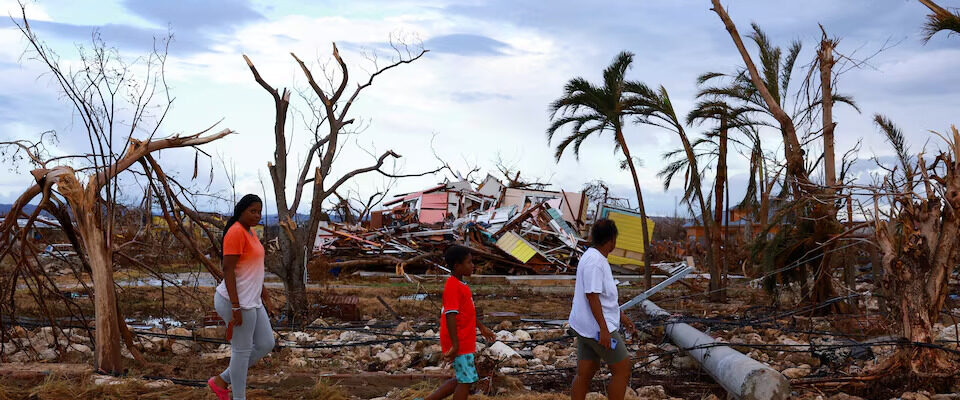
Government gets B- for hurricane relief as study reveals deep scars beyond property damage

/ Our Today
administrator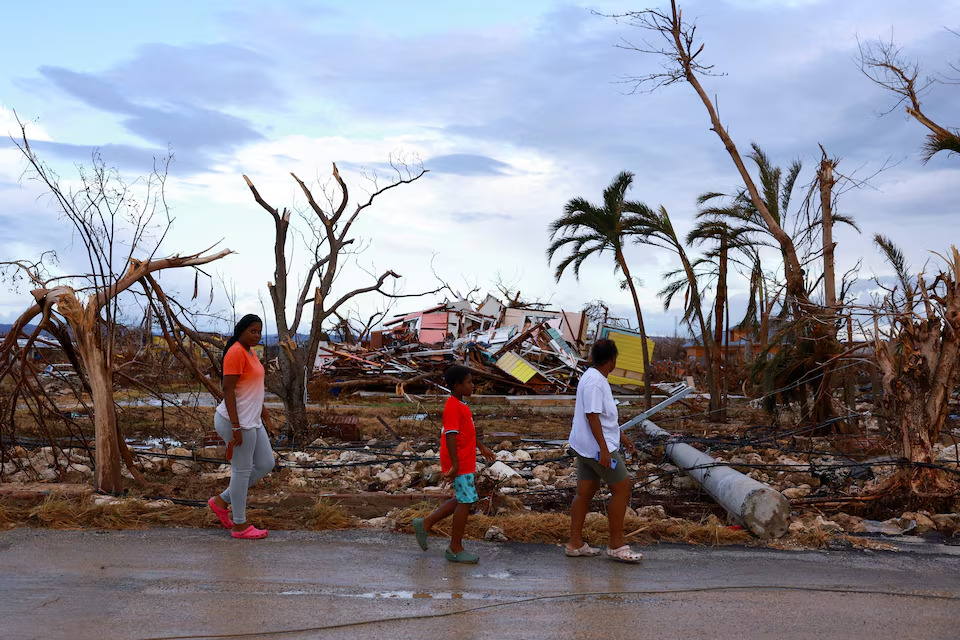
A comprehensive independent study performed in November, in the aftermath of Hurricane Melissa, has painted a sobering picture of Jamaica’s recovery journey, revealing that while the government’s relief efforts earned a respectable 69 per cent effectiveness score, equivalent to a B- grade, the true cost of the disaster extends far beyond damaged buildings into the psychological well-being of thousands of Jamaican households.
The Hurricane Melissa Impact Study represents a collaborative effort by four independent research and analytics firms: StarApple Analytics, IMPACT Research Lab, Section 9, and Orbital Brand Science.
Together, they surveyed more than 500 respondents across the most affected parishes and identified patterns of fear, exhaustion, and resilience that researchers say demand immediate attention from policymakers and community leaders alike.
Perhaps most striking is the finding that 55 per cent of respondents reported emotional strain scores of eight or higher on a 10-point scale, with symptoms aligning with sustained stress, including difficulty sleeping, reduced focus, and constant uncertainty about the future. Around 25 per cent reported the highest possible distress levels of nine or 10, indicating a population grappling with profound emotional exhaustion.
Community bonds shine through crisis
While the data reveals significant challenges, the study also uncovered powerful evidence of Jamaican solidarity in the face of disaster. Respondents reported receiving critical support, not just from family members, but equally from coworkers, neighbours, and community organisations.
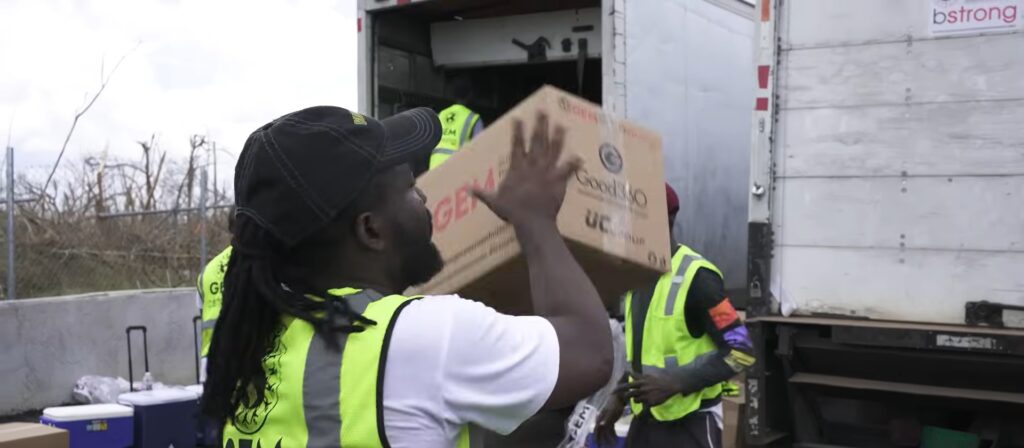
“Persons reported receiving critical support as much from family as from coworkers, showing how the country came together beyond blood. This is the Jamaica we know. When crisis hits, we don’t ask who you are before we help.“
The study found that respondents consistently gave higher satisfaction ratings to support received from personal networks and private companies compared to government assistance, though researchers noted this likely reflects the inherent challenges of coordinating large-scale disaster response rather than lack of effort.
What the government got right
The study was not all criticism. Respondents widely commended the Jamaican government for its information and communication efforts in the lead-up to Hurricane Melissa. Early warning systems, weather updates, and preparation advisories were cited as effective, with many crediting these efforts for reducing potential loss of life.
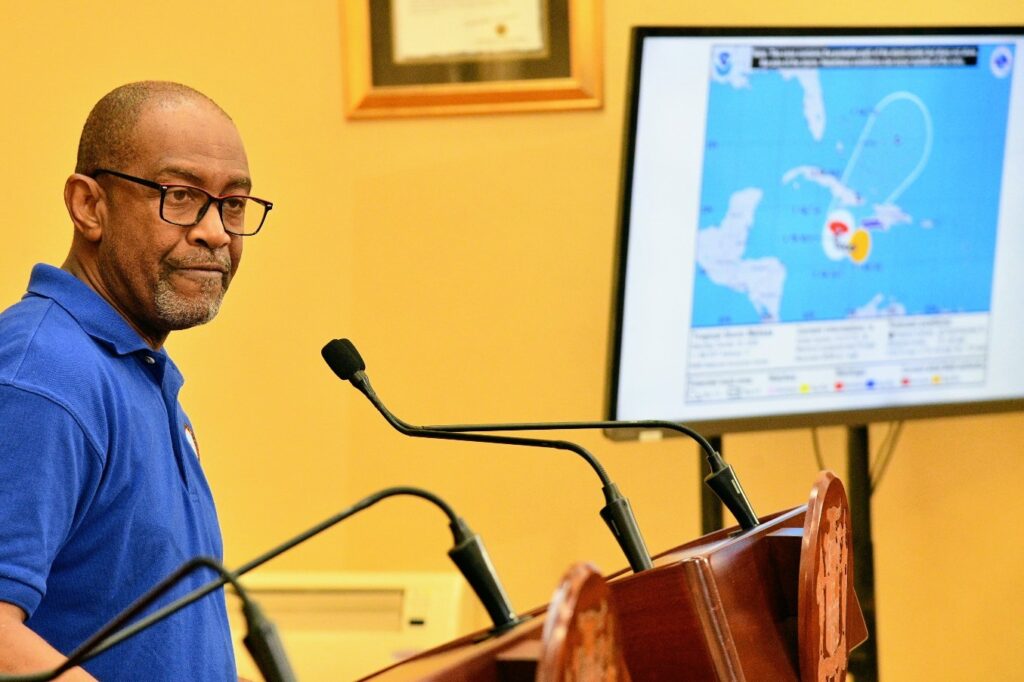
Additional positive findings included the rapid mobilisation of communities, strong inter-community support networks that emerged spontaneously, and business and household cooperation that exceeded expectations in the hardest-hit areas.
Vulnerable populations bear heaviest burden
The study revealed troubling disparities in impact across household types. Families with children under 18 reported severe damage rates approaching 80 per cent, while households with older adults showed elevated fears about personal security and long-term support. Women reported emotional stress levels approximately 12 per cent higher than men, linked to caregiving responsibilities during the crisis. Men, however, reported anxiety occurrences roughly 10 per cent higher, suggesting their worry manifests in sharper, more acute forms.
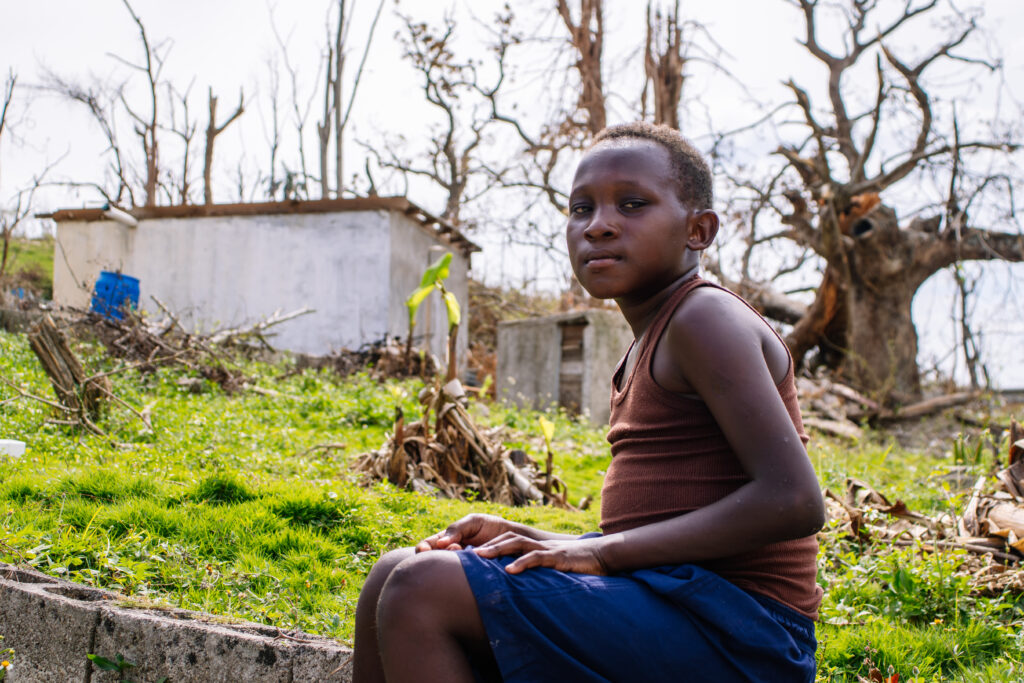
Notably, 17 per cent of respondents, roughly one in six, fell into an “under-supported” category, feeling that the aid they received was insufficient. Researchers cautioned that this group’s trust is fragile and requires careful, consistent communication to rebuild.
Four fears shaping recovery
The research identified four dominant emotional forces affecting how Jamaicans are experiencing the recovery process: fear of being forgotten as media attention fades, loss of control when income-producing assets are damaged, fear of crime when homes remain vulnerable or without power, and deep emotional depletion that persists regardless of physical damage levels.
These fears, researchers say, explain why the government’s aid effectiveness score sits at 69 per cent despite substantial efforts. Unclear communication, shifting timelines, and perceived gaps in support have eroded confidence among those already emotionally exhausted.
Invisible wounds: A decade of recovery ahead
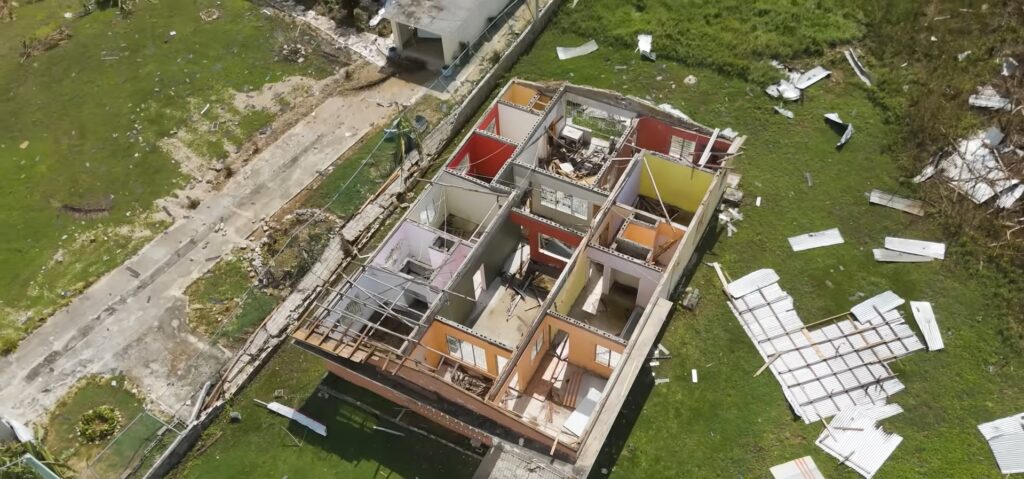
While much attention has focused on rebuilding physical infrastructure, researchers warn that Jamaica faces a longer and more complex journey in addressing the psychological aftermath of Hurricane Melissa.
“The data reveals the very concerns raised by Orville ‘Shaggy‘ Richard . The psychological scars will persist even longer than the economic ones. We are seeing patterns of fear, exhaustion, and anxiety that do not simply go away when the roof is fixed. Jamaica needs to invest in mental health support alongside physical reconstruction.”
What needs to happen next
Researchers outlined clear, actionable recommendations for government agencies and organisations involved in relief efforts:
Set clear targets everyone can understand.
Tell people exactly what is being done, how much is being spent, and when they can expect results. Vague promises increase anxiety. Specific commitments build trust.
Report progress by zone. Provide updates at the community level so residents know what is happening in their area. A family in Westmoreland should not have to guess whether help is coming or wonder if they have been skipped over. Publish timelines and stick to them.
When people know what to expect and when to expect it, fear decreases. When timelines shift without explanation, trust collapses.
Prioritise vulnerable households. Families with children and elderly members need faster response times and dedicated support channels.
Invest in mental health now, not later. Counselling services and community support programmes should be treated as essential infrastructure, not an afterthought.


Comments