IMF projects only 1% growth of Mexico’s economy in 2025

/ Our Today
administrator
Durrant Pate/Senior Business Journalist
The International Monetary Fund (IMF) is projecting anaemic GDP growth of one per cent for the Mexican economy this year, reflecting the effects of fiscal consolidation, tight monetary policy, and continued trade uncertainty.
In its just-completed 2025 Article IV Consultation for Mexico, the IMF projects that growth will strengthen modestly to 1.5 per cent in 2026, as domestic policies ease. Softer demand, normalising food prices, and the recent appreciation of the peso are expected to help bring inflation back to Banxico’s three per cent target by the second half of 2026. Mexico’s economy expanded by 1.5 per cent in 2024.
The 2024 fiscal expansion is expected to be reversed this year, with gross public sector debt projected to reach 58.9 per cent of GDP by end-2025. The government’s medium-term fiscal targets envisage further deficit reduction, although the debt ratio is expected to rise gradually over time.
Banxico has reduced interest rates by 375 basis points since early 2024, in line with falling inflation, but monetary policy remains moderately contractionary. The financial system has been assessed as remaining “strong and well supervised with solid capital and liquidity buffers.” Mexico maintains adequate external reserves and an external position broadly consistent with fundamentals.
Weak domestic demand
A temporary improvement in the current account, reflecting weak domestic demand, is expected to narrow over time as the trade balance softens and remittances moderate, the IMF mission team concludes in its 2025 Article IV Consultation Report. During the consultation, IMF executive directors commended Mexico’s sound macroeconomic management and policy frameworks, which have supported resilience amid global uncertainty.
They emphasised the importance of maintaining prudent policies while advancing structural reforms to raise potential growth. Directors welcomed fiscal consolidation efforts and encouraged a more ambitious medium-term strategy to stabilise debt and create space for future shocks while underscoring that fiscal adjustment should prioritise protecting social spending and productive investment, supported by stronger tax administration and policy reform.
Success in lowering inflation
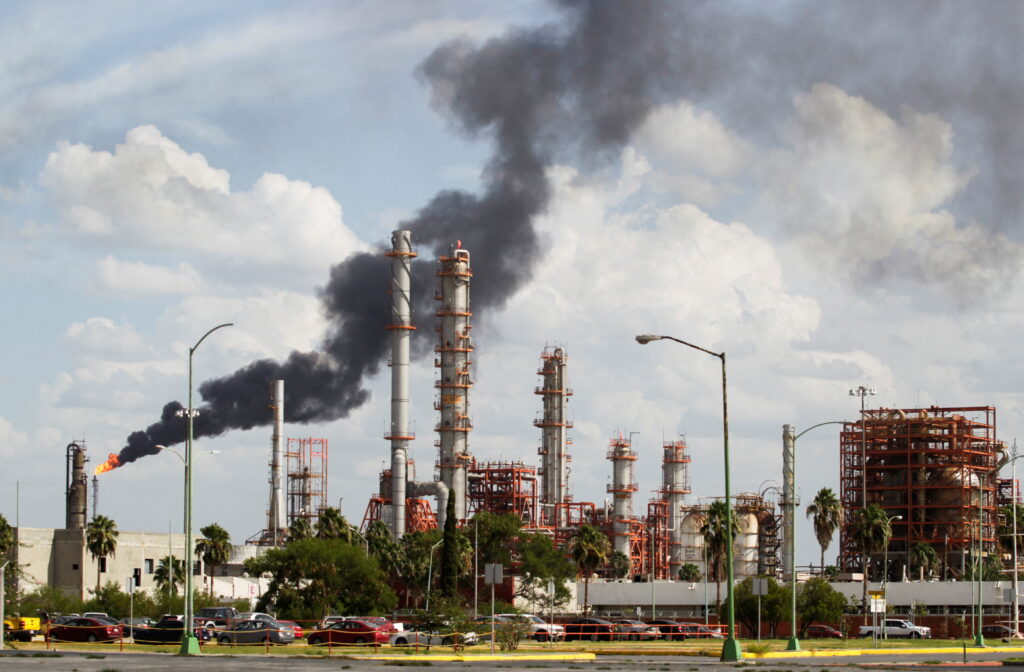
Improving the financial position of state-owned enterprises, particularly Petróleos Mexicanos (Pemex), remains a key priority of the Mexican government.
IMF directors praised Banxico’s success in lowering inflation and agreed that further monetary easing should be data-driven. They highlighted the importance of a flexible exchange rate to help absorb external shocks and maintain stability.
Looking ahead, IMF directors emphasised that sustained growth will require addressing structural challenges such as infrastructure gaps, the business environment, judicial independence, and corruption.
They also reaffirmed the importance of open trade and recommended that industrial policies remain targeted, transparent, and consistent with Mexico’s trade commitments.




Comments