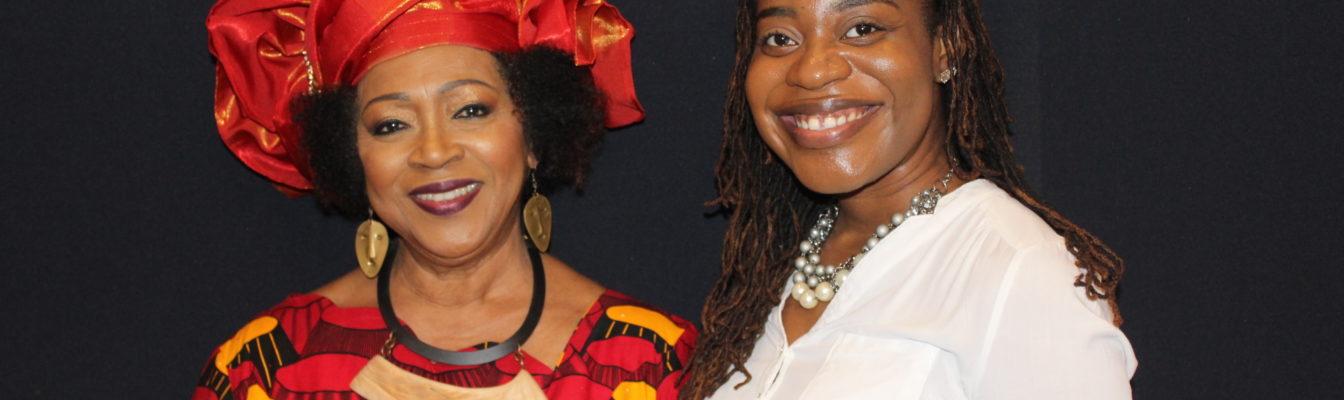
J. Wray & Nephew tells full story of rum in Jamaica with launch of ‘Appleton Estate: A History’

Shemar-Leslie Louisy / Our Today

The untold story of the history of rum from Jamaica’s oldest rum manufacturers is now finally being told in Appleton Estate: A History.
J. Wray and Nephew officially launched the book on Thursday (February 9) and, as part of its corporate social responsibility, all proceeds from book sales will go directly to the J. Wray and Nephew Foundation.
The book reveals the role of the enslaved people who worked at Appleton Estate and the role the workers played in the cultivation of sugar cane and rum production in Jamaica. The research was conducted by a team led by Professor Dr Verene Shepherd and supported by Ahmed Reid, Gabrielle Hemmings, and John Shorter.
Speaking at the book launch at the AC Hotel in St Andrew, Jean-Philippe Beyer, managing director of J. Wray & Nephew, said although the visitor section of the estate is very successful and welcomes tens of thousands of visitors from all walks of life, they were accused, well within reason, of “whitewashing the history” and not going far enough to tell the story of the enslaved Africans in the business.
Beyer said the company took the feedback seriously.

“Within the Campari Group culture, respecting people and the planet is a behaviour that we try to ingrain in all our employees; it’s a commitment that we continuously demonstrate in many ways but exemplified in our demand for honesty, preservation of our history and willingness to share these stories publically and transparently,” said Beyer.
He continued: “To help us, we looked for someone with an impressive reputation; an authority on history coupled with a deep understanding of Africanism. There were not many people with the credentials of Professor Shepherd and she did not let us down. It should come as no surprise to anyone that it took a Jamaican woman to get this done.”

Shepherd, as the first author and leader of the team commissioned from the Centre of Reparations Research of the University of the West Indies (UWI) Mona, after giving thanks for the support her team received, said: “We’re very pleased to have been given the opportunity by J. Wray & Nephew to take a deep dive into yet another branch of the large tree that is Jamaican history. To the credit of the JWN staff, we were given a free hand to uncover truth, however uncomfortable the truth was for the company.”
She pointed out that the book documents the history of the estate that is not only about rum, but seeks to answer questions that would be asked by visitors. The book mentions some of the history of the estate from the founders, the Dickinsons, who were granted the lands in St Elizabeth by the Crown, their business in sugar and rum production and the 100 enslaved Africans they owned in the 1760s.


Comments