Jermaine Robinson | Hurricane Melissa didn’t break Jamaica, she revealed the nation we must finally build

/ Our Today
administrator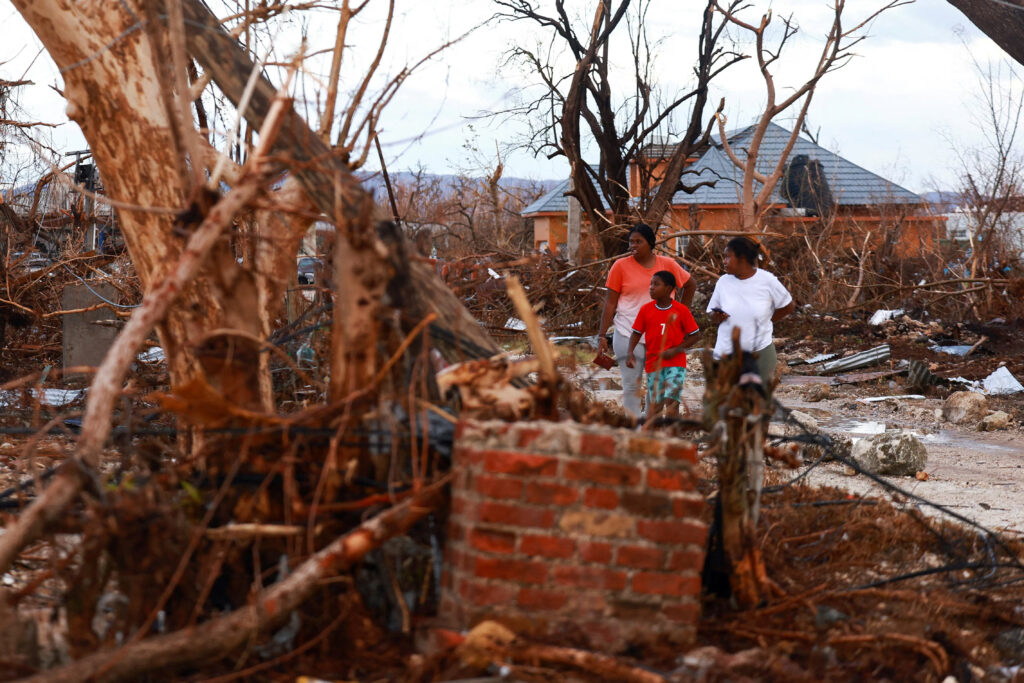
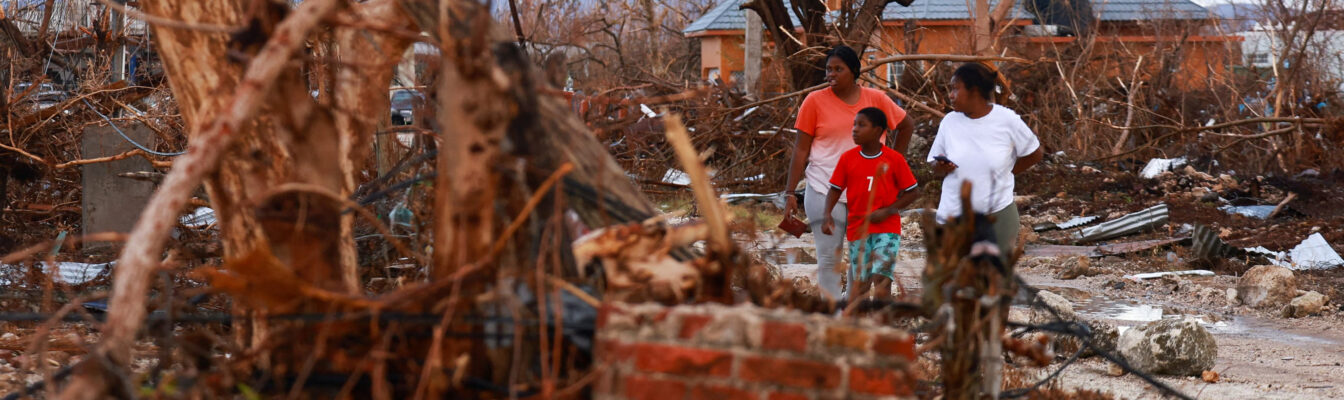
I followed Hurricane Melissa through live videos, voice notes, and the voices of Jamaicans sharing their reality online. Even from a distance, the impact felt heavy. Bridges washed out. Roadways collapsed. Water rushed through districts with no safe exits. Documented losses that will take years to recover. Families pleaded for water, food, and medicine, hoping someone would see their messages in time.
You did not need to be in Jamaica to understand how deep the damage ran.
Melissa revealed the same weaknesses that Gilbert, Ivan, Dean, and Sandy had identified before. Fragile roads, poor drainage, unreinforced riverbanks, farm structures that fail under pressure, and power and water systems that break at known vulnerable spots. The pattern remains the same. The storms have not changed either.
This time, the message is clear. Jamaica cannot keep rebuilding what existed before.
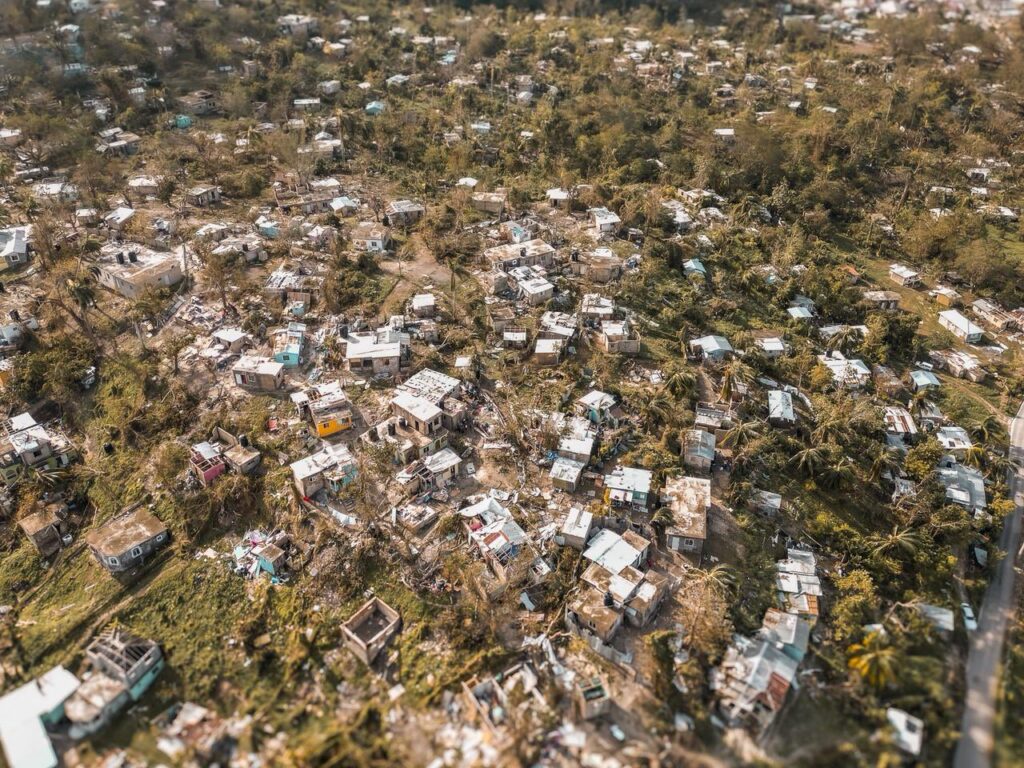
The footage from St. Elizabeth, Westmoreland, Manchester, St Ann and St James showed a level of vulnerability that is no longer acceptable. One collapsed road blocked access for thousands. A broken bridge delayed disaster teams, equipment, and water trucks. And amid a national emergency, reinstating toll fees caused unnecessary friction for responders and supply carriers. When a country is in crisis, toll roads should act as free corridors for survival. Relief should never come with a cost.
Jamaica urgently needs a formal policy governing toll operations during and after natural disasters. Without clear rules, toll access becomes a matter of improvisation. Emergencies require consistency, not guesswork. Toll protocols must support immediate response, ongoing relief efforts, and structured recovery.
Melissa also revealed a deeper issue. Jamaica depends too much on government orders before logistics can start. Disasters don’t wait for instructions. Resilient logistics must be activated immediately when danger strikes. Trucks, drivers, warehouses, and fuel networks need independence and the ability to respond instantly, guidelines that remove hesitation to start recovery work, and a system for verifying and guaranteeing payment for work done during and after a disaster.
This is where Jamaica’s public and private sectors must finally work together. And it goes far beyond press releases.
The PSOJ and JMEA have both demonstrated their ability to mobilise influence, resources, and technical support. Their members form the backbone of Jamaica’s logistics, manufacturing, export, and distribution networks. These organisations cannot be passive players, nor can their involvement be limited to issuing statements after the fact. They must be integrated into national preparedness well before any disaster begins in the Atlantic.
Private companies already oversee fleets, warehouses, supply chains, technology systems, and import channels. The government handles national assets, emergency powers, security support, and infrastructure decisions. Recovery is most effective when both sectors start early, work together, and follow a coordinated operational plan.
Jamaica also needs distribution networks designed for resilience, not convenience. Repeating the same bottlenecks ensures the same failures. Each parish requires alternative routes, inland staging hubs, designated helicopter landing pads, and pre-positioned supplies. No community should be stranded for days because a single bridge or road fails.
Melissa also pointed out the limitations of ODPEM in its current setup. The agency has put in effort, but it operates in a modern disaster environment with outdated systems.
Jamaica needs a restructured ODPEM equipped with real-time data, advanced risk forecasting, strong authority across ministries, and the capacity to coordinate both public and private resources in a single national command centre.
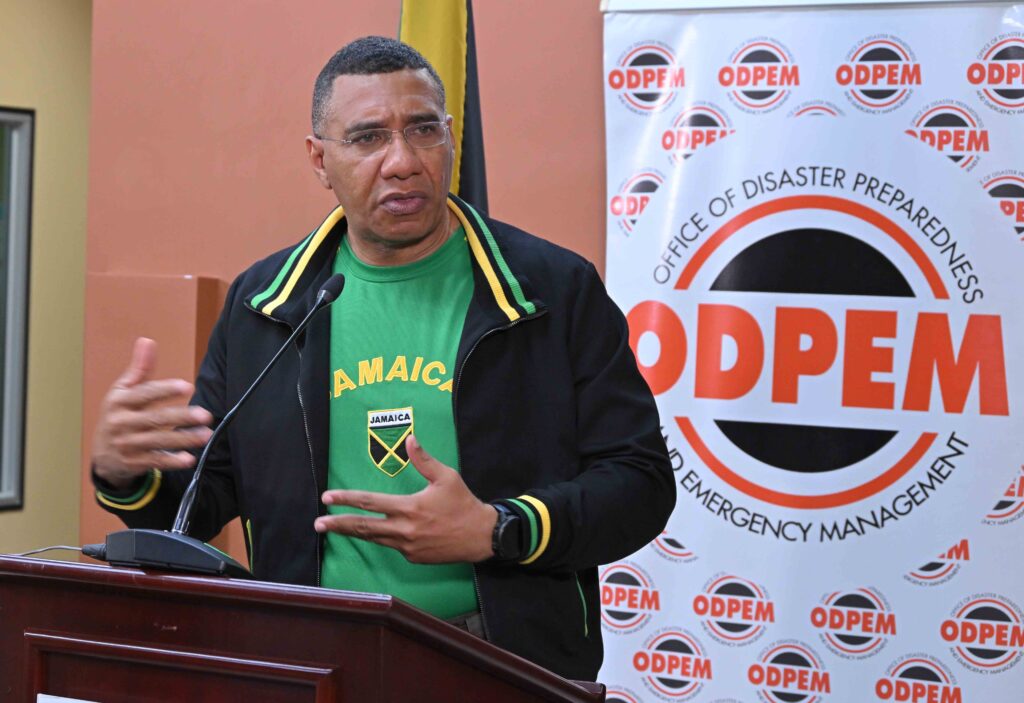
ODPEM reform is not optional. It is a national responsibility.
But the rebuild must also reflect the voices of the people who faced the storm. Social media showed its insight with striking clarity. They know the drains that always flood, the hillsides that always slip, the roads that always crack, and the rivers that always rise first. Their knowledge is as critical as any engineering report. Any serious recovery plan must start with community realities, not assumptions.
Watching Melissa from afar sharpened the understanding that Jamaica cannot return to what existed before. The next Jamaica must be designed for resilience.
Stronger roads with deeper drainage. A national toll-disaster protocol that keeps emergency corridors open. Distribution systems that move without hesitation. Public and private partnerships that act early and continuously.
A modern ODPEM capable of forecasting, coordinating, and leading with clarity. Building structures built to survive the storms ahead.
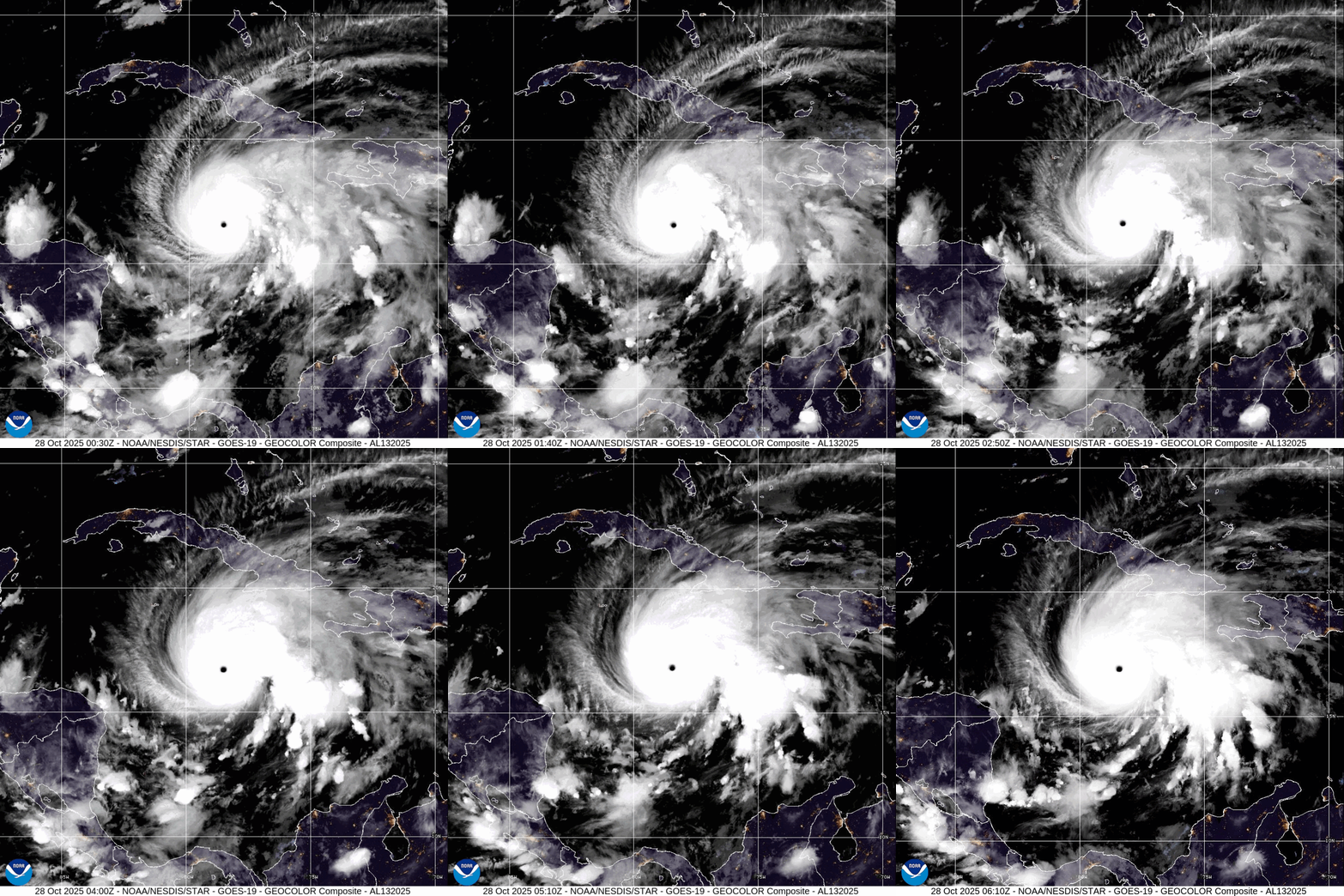
Melissa revealed the Jamaica that must be rebuilt. The next Jamaica will depend on whether we choose meaningful change or the comfort of old habits.
If we rebuild with purpose, Jamaica will not be shaped by the storms we face, but by the strength we decide to build after them.



Comments