
#MENtoo: Andropause must be added to men’s health conversation

/ Our Today
administrator
When 52-year-old Donovan* (name changed for anonymity) found himself growing unusually irritable, tired, and disconnected from activities he once enjoyed, he assumed it was stress.
“I thought it was burnout from work,” he shared, adding, “I didn’t even know men could go through hormonal changes.”
His experience is more common than many Jamaican men realise. According to physician and midlife wellness advocate Dr Charmaine Thomas, Donovan’s story reflects a growing but silent issue affecting men across the island – andropause.
Andropause is a medical condition known as age-related testosterone decline.
Over the last year, Dr Thomas has been leading a national push to demystify menopause through her Menopause Rebirth Movement, which has been reshaping how Jamaican women understand midlife transitions. However, this November, observed as International Men’s Month, she is widening the scope of her advocacy.
“As we break the silence around menopause, we must also acknowledge that men undergo significant midlife changes too,” she said.
“Energy, mood, libido, motivation — these shifts are real. And men deserve safe spaces to talk about them,” Dr Thomas added.
What exactly is andropause?
Andropause is not the male equivalent of menopause. Men do not experience a sudden hormonal shutdown. Instead, testosterone levels decline gradually — about 1 per cent per year after age 30, according to widely accepted medical research.
“Because the decline is slow, men may not immediately recognise what is happening,” the physician explained.
“Symptoms can creep in over years, which makes it easy to attribute them to stress, ageing, or personality changes,” she continued.

Clinically recognised symptoms associated with testosterone decline can include persistent fatigue, reduced motivation, irritability or low mood, brain fog or trouble concentrating; sleep disturbances and decreased sexual interest.
“These symptoms can affect cardiovascular, emotional, cognitive, and metabolic health,” Dr Thomas further outlined, adding: “Hormonal health touches every system of the body.”
Diagnosis typically involves two early-morning testosterone tests, a detailed symptom review, and screening for conditions that mimic low testosterone — such as thyroid issues, sleep apnea, diabetes, or depression.
“Testosterone decline is not the only possible explanation. That is why proper evaluation matters,” Dr Thomas clarified.
A silent struggle in Jamaican households
Because of the cultural expectations of machismo many Jamaican men push through physical or emotional changes without seeking help. As a result of this silence, the confusion men experience deepens and it creates tension at home.
“When men don’t know what they’re experiencing, they may withdraw or become frustrated — and their partners feel the impact,” Dr Thomas emphasised.
While women are often familiar with menopause, the physician highlighted that very people realise that men have their own midlife changes too.
Untreated midlife hormonal imbalance in men can contribute to relationship conflict, declining workplace productivity, sleep issues, depressive symptoms, weight gain and metabolic changes, as well as reduced cardiovascular stability.
She added, “When we educate both partners, communication improves, empathy increases, and the home becomes more supportive.”
Why International Men’s Day matters
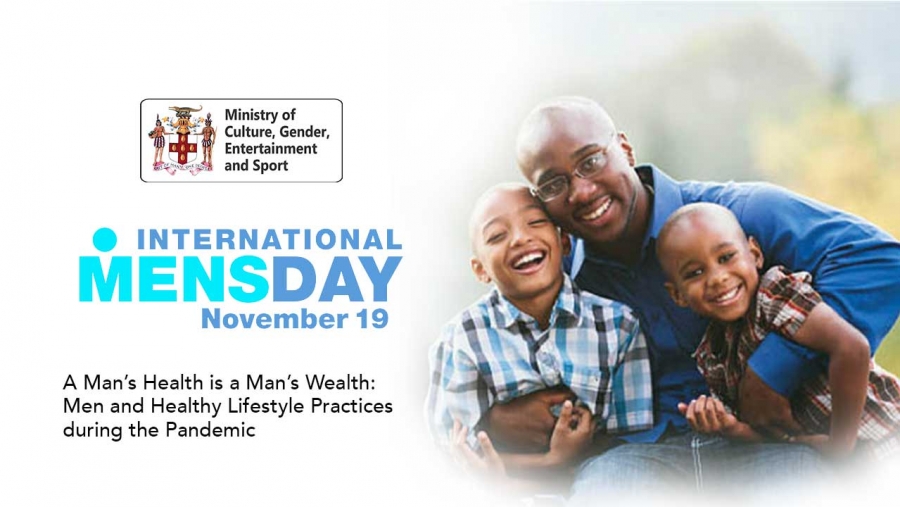
International Men’s Day, observed globally on November 19, centres on men’s mental health, fatherhood, identity, and well-being.
For Dr Thomas, it is a timely opportunity to include andropause in Jamaica’s national health conversation.
“As a society, we cannot promote gender-balanced wellness if we ignore men’s midlife needs,” she asserted.
Her call for awareness comes at a time when public health discussions in Jamaica are shifting beyond crisis care to preventative care and emotional well-being.
“We want our men to age with strength, dignity, and emotional stability,” the physician stated, adding: “That means encouraging check-ups, reducing stigma, and normalising the conversation.”
The science of support: What men can do?
Evidence-based support for andropause begins with a proper medical evaluation, including testosterone and hormone panels, thyroid function tests, cardiometabolic screening (cholesterol, glucose, blood pressure), and sleep and stress assessment.
Lifestyle medicine also plays a significant role — regular exercise, healthier eating, reduced alcohol intake, better sleep hygiene, and mental health support.
Where appropriate and medically confirmed, Testosterone Replacement Therapy (TRT) may be considered under international clinical guidelines.
“Not every man needs hormone therapy. But every man deserves accurate information and compassionate care. Midlife health is not only physical; it is emotional and relational,” Dr Thomas pointed out.

A shared journey for couples
For the Menopause Rebirth Movement founder, shining a spotlight on andropause should not overshadow the challenges of menopause but, rather, expand the conversation.
“When women understand andropause, and when men understand menopause, families function better. This is about unity, not comparison. When both partners feel seen and supported, the relationship deepens,” the physician expounded.
Her Menopause Rebirth Movement has already helped hundreds of women across Jamaica navigate midlife with confidence. Now, she believes that extending the conversation to men will strengthen couples and communities alike.
“Midlife doesn’t have to divide people; it can bring them closer,” she said.
The way forward…
As Jamaica observes International Men’s Month, Dr Thomas hopes to see more public education on men’s hormonal health, routine midlife screenings for men, and media inclusion of male well-being stories.
She believes that workplaces should also foster communication and understanding men’s mental and emotional health.
“Jamaican men matter. Their health matters. Their emotional lives matter. And acknowledging andropause is one step toward a healthier nation,” Dr Thomas emphasised.






Comments