

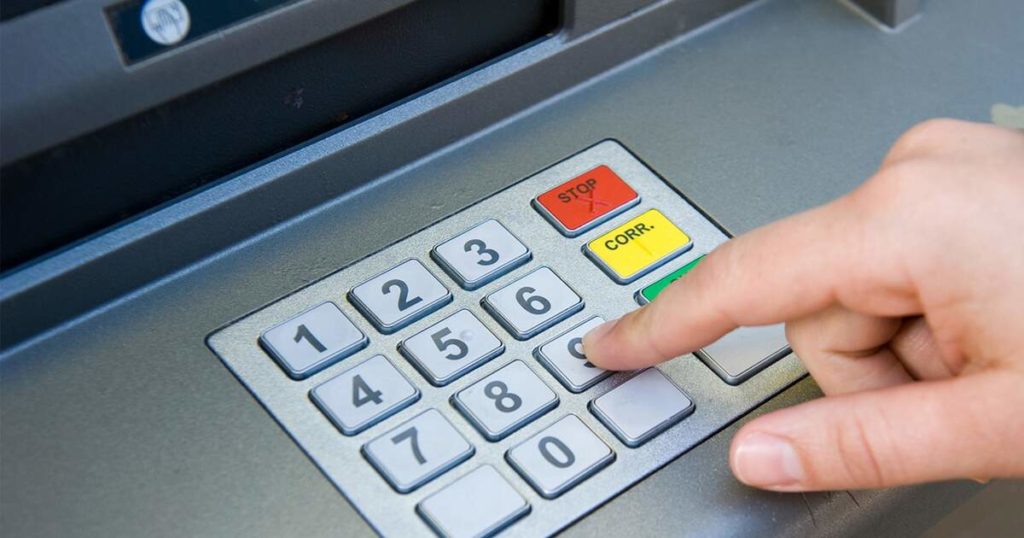
Durrant Pate/Contributor
A recent survey conducted by the Bank of Jamaica (BOJ) is showing a growing number of Jamaicans owning bank accounts, an indication that its financial inclusion strategy is working.
The National Financial Inclusion Study 2023 Final Report shows most banked respondents had accounts with commercial banks (91.6%). Regardless of the financial institution, most respondents (52.2%) reported holding only one account.
The BOJ’s Financial Inclusion Technical Secretariat, which carried out the survey, found that 70.9 per cent of respondents were found to be banked, 6.3 per cent underbanked and 22.8 per cent unbanked. According to the report, “Overall, financial inclusion was found to decrease with decreasing socio-economic status. Specifically, upper (95.6%) and middle-income (92%) respondents were significantly more banked vs. working class (79.8%) and lower-income (59.6%) socio-economic groups.”
Lower-income respondents
Conversely, lower-income respondents (32%) reported being unbanked vs. upper income (4.4%). Most banked respondents had accounts with commercial banks (91.6%). Among commercial banks, making a withdrawal (62%) was the activity done by the majority in the past four weeks, followed by making a deposit (49%).
Among building societies and credit unions, making a deposit was the main activity engaged in (building societies; 50% and credit unions; 42%). The primary motivators for opening an account with a commercial bank was found to be saving money (66.5%) and to receive a wage payment from an employer (38.4%).
Similarly, building societies was to save money (69.8%) and to receive a wage payment (13.5%), while credit union motivations were to save money (89.4%) and to process a loan (14.4%).

The specific objectives of the study were:
- ·To provide data on the current knowledge, attitudes, and practices (KAP) of the general population as it relates to financial services including digital payment products.
- To provide data on the current knowledge, attitudes, and practices (KAP) of Small and Micro Merchants as it relates to financial services including digital payment products.
The overall purpose of the research was to measure financial access and usage of digital payment products (including electronic retail payment services) by the adult population in Jamaica. The survey was conducted via the use of hand-held computers during the period between February 10, 2023 – March 27, 2023, with the final report delivered on November 30, 2023.
The survey parameters included a national representative sample of 1,003 adults (18+ years) across all 14 parishes, using electoral divisions. Participation was received from individuals and some 420 micro and small merchants (with 30 selected randomly).



Comments