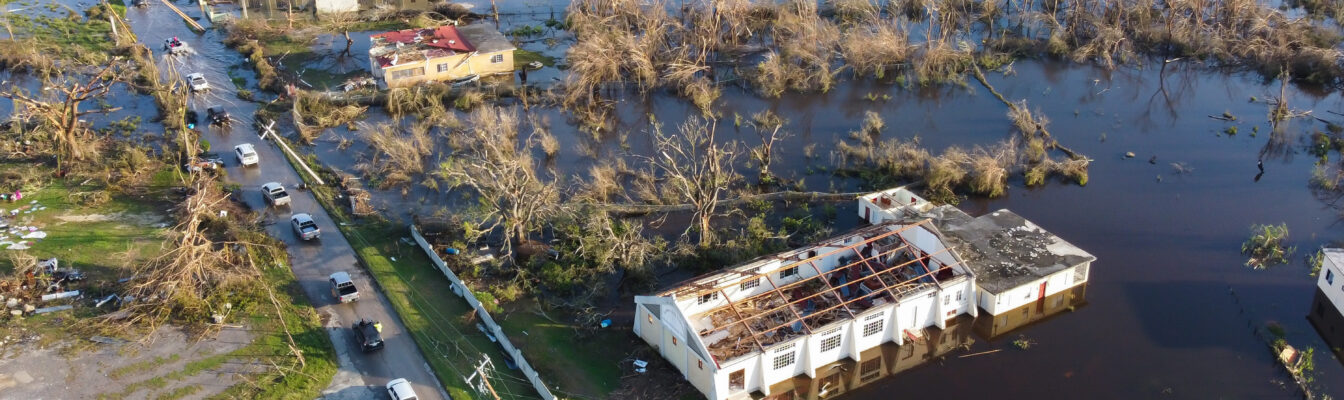
NEPA calls on persons not to build houses in restricted zones

/ Our Today
administrator
To promote safer and more sustainable development, the National Environment and Planning Agency (NEPA) is urging residents, developers, and landowners to construct homes, businesses, and infrastructure within designated build zones only and to avoid areas classified as non-build or restricted zones.
The call came from the Agency’s Acting Deputy Chief Executive Officer (CEO), with responsibility for the Spatial Planning and Management Division, Gregory Bennett, during a recent interview with JIS News.
Bennett emphasised that, based on data gathered from several assessments conducted following the passage of Hurricane Melissa, preparedness will be key to tackling future hurricanes.
He explained that as climate change continues to affect the world, “it is likely that Category 5 hurricanes may become a common occurrence. As such, preparedness and resilience must be a priority”.
To aid in the rebuilding of stronger infrastructure, Bennett referred Jamaicans to the Development Orders and Plans, which are available on the NEPA website.
These documents outline zoning designations established to protect public safety, preserve environmental resources, and ensure that community growth occurs in a responsible, well-planned manner.
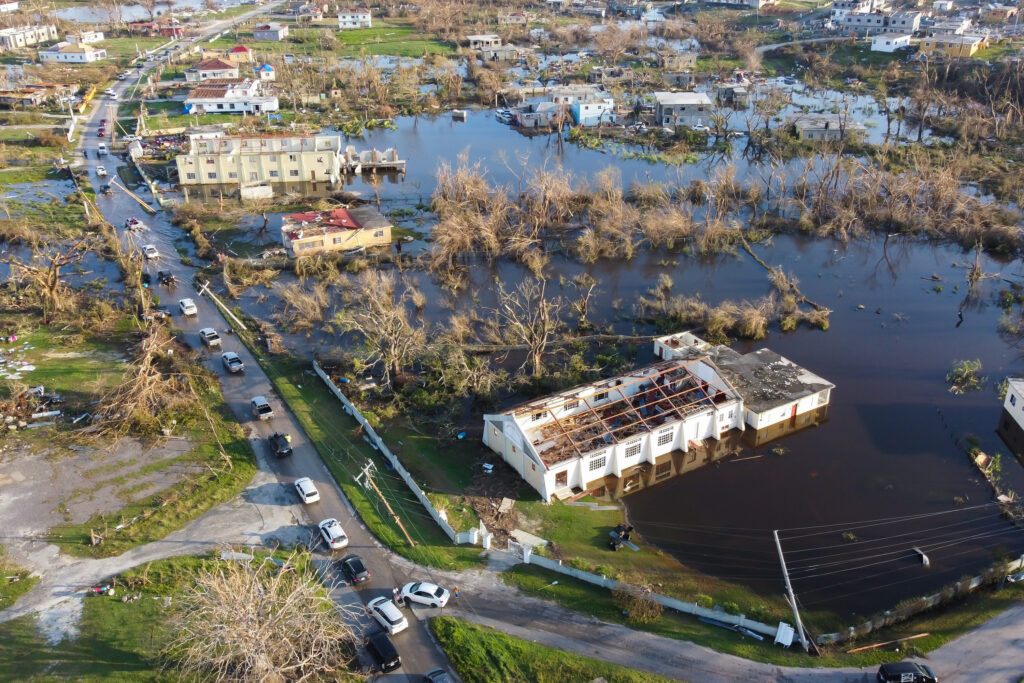
He noted that “designated build zones have been specifically evaluated and approved for development based on factors such as land stability, access to essential services, and long-term planning needs”.
Conversely, non-build zones include floodplains, environmentally sensitive habitats, erosion-prone areas, and regions set aside for conservation.
Bennett also shared that the assessments, which are still underway, highlight the importance of adhering to zoning guidelines, which can help prevent costly damage, reduce environmental impact, and support overall infrastructure efficiency.
“In terms of how to rebuild, there has to be a recognition of the guidelines that have been provided by authorities, such as the Office of Disaster Preparedness and Emergency Management and the Municipal Corporations, as it relates to building codes and standards,” he said.
Offering additional rebuilding tips, Bennett reiterated that “we are urging homeowners to incorporate safer building practices to reduce their vulnerability to future weather events”.
“We are also advising individuals to consider using roof straps or other reinforcement measures, ensure that their foundations are secure, and rely on qualified professionals,” he added.





Comments