PR in crisis: Jamaica’s industry leaders confront a breaking point at BrandCamp

/ Our Today
administrator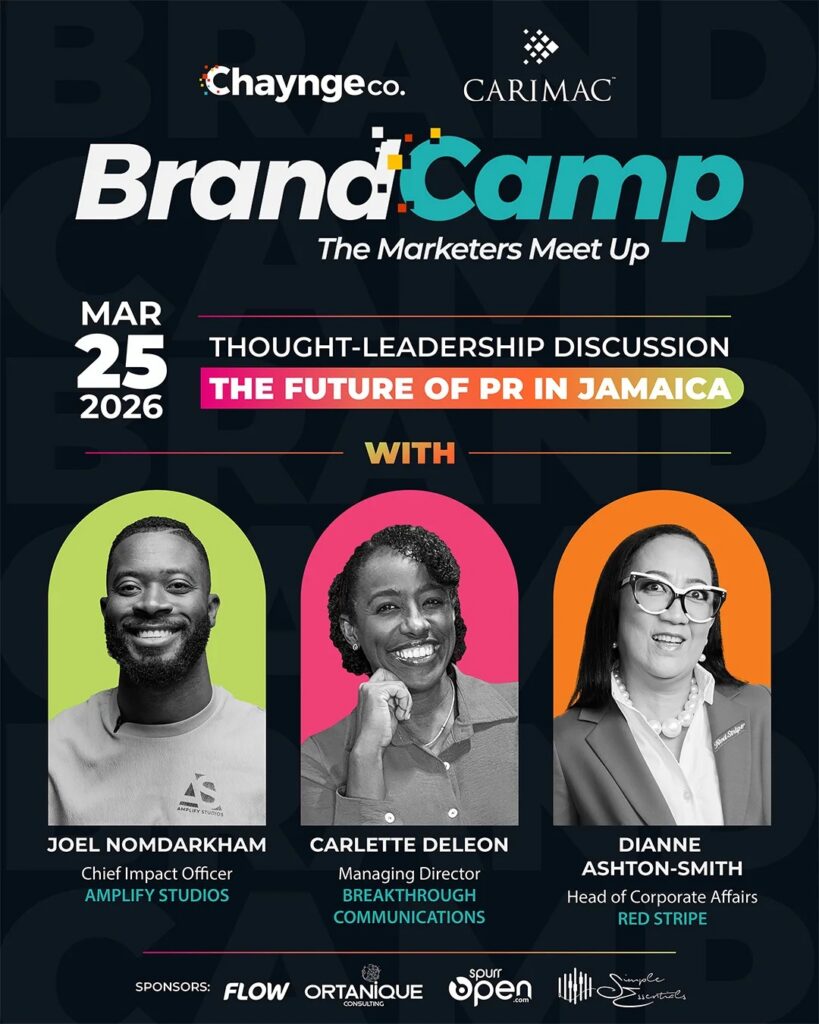
Budgets are being cut. Agencies are contracting. Graduates are arriving in the workforce without the foundational skills the profession demands. And the media landscape has exploded from two newspapers and a handful of radio stations into what one industry voice describes as “200 credible-ish touchpoints.”
This is the world Jamaica’s communications professionals are navigating – and March 25, three of the industry’s respected voices will sit down at BrandCamp 2026, confronting this possible breaking point.
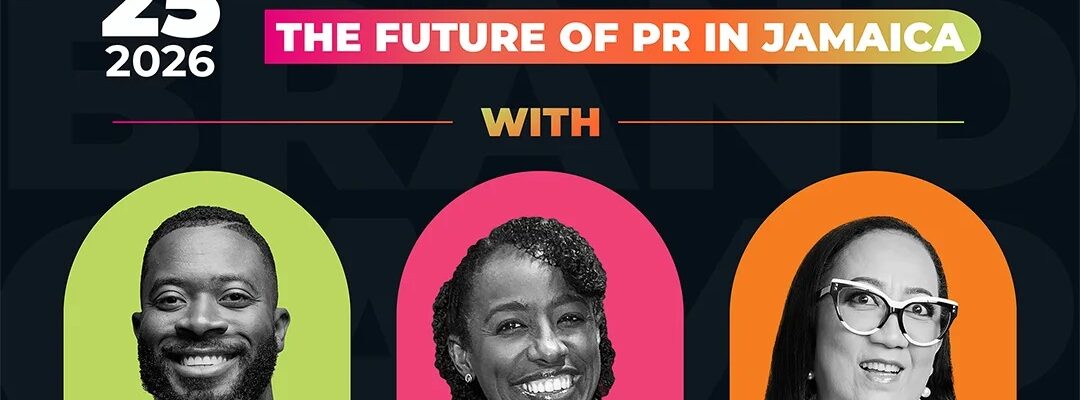
The thought-leadership discussion, ‘The Future of PR in Jamaica’, will feature Dianne Ashton-Smith, head of corporate affairs at Red Stripe; Carlette DeLeon, managing director of Breakthrough Communications; and Joel Nomdarkham, chief impact officer at Amplify Studios.
The conversation will be hosted by Kalando Wilmoth, co-founder of BrandCamp organiser Chaynge Co.
A profession at a crossroads
The panel arrives at an uncomfortable moment for the profession. Organisations have never needed skilled communicators more – misinformation spreads faster than corrections, brand reputations can collapse in hours, and the complexity of managing message integrity across multiple platforms is genuinely new. Yet budgets for communications are among the first to be cut, and the argument that PR drives business performance remains, for many executives, unproven.
Ashton-Smith, who manages communications for one of Jamaica’s most recognisable brands, is direct about the stakes.
In a pre-event discussion, she described the pressure she faces daily: “I was reviewing a press release and realised that how the data was being interpreted, not the data itself, could have had unintended consequences for Red Stripe as an alcohol brand, just from the headline.

“It reinforced something we don’t interrogate enough in PR: data isn’t neutral. How we frame it can shift meaning and even create risk where none existed. It’s not just about accuracy, it’s about implication. And that’s where ethics in communications becomes real.”
DeLeon, whose agency works across digital and traditional strategy, points to media fragmentation as the structural challenge that makes everything else harder. Where PR professionals once managed relationships with a small number of authoritative outlets, they now operate across a landscape where influencers, citizen journalists and AI-generated content compete for the same audience attention as established newsrooms and traditional media seem susceptible to adopting clickbait tactics to survive.

The result, she argues, is that the difference between reach and influence has never mattered more, and never been harder to explain to clients.
Are agencies still relevant? And who is training the next generation?
Nomdarkham, who straddles independent consulting, agency work and his own platform as a micro-influencer, brings a practitioner’s view of how the business model is shifting.
As brands bring content production in-house and AI tools reduce production costs, agencies that simply execute content risk redundancy. And on the engagement farming problem, he is direct: “The pendulum is now taking people to: if you put out something, even if it’s wrong, but you have 1,000 retweets, you just keep it going. And then it questions integrity and so many things.”
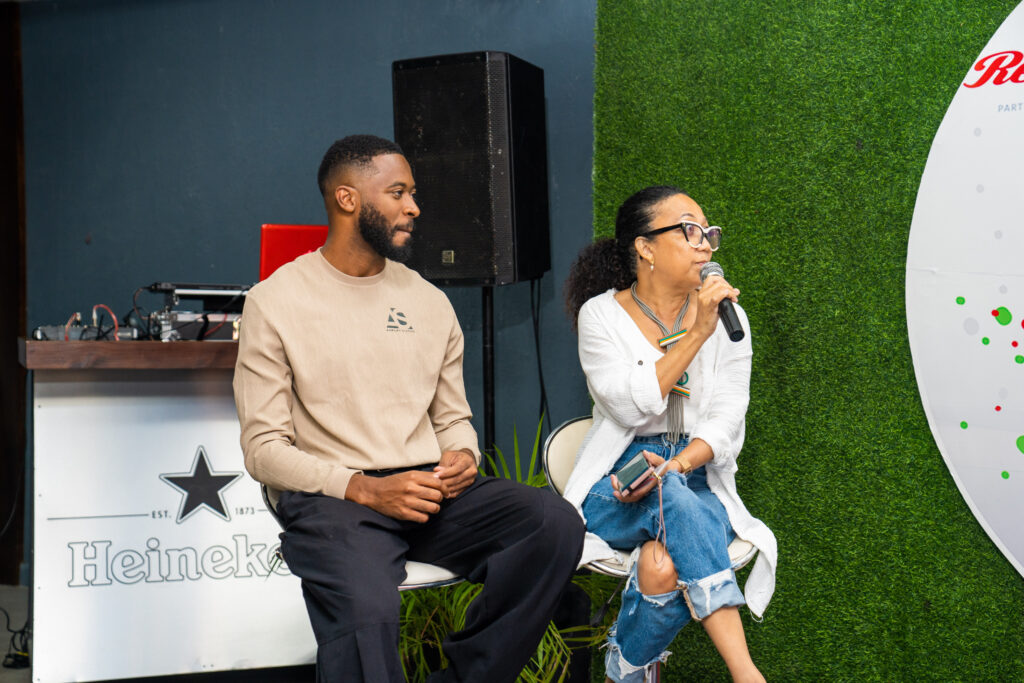
On the talent gap, Nomdarkham does not soften his position. “I have to be more microscopic about the ethics and values of the people who represent my brand,’ he said. “What we stand for has to show up in who we choose to stand with.”
DeLeon takes a different position.
At Breakthrough Communications, every team member is required to complete training in design, protocol and project management, with the agency covering the cost.
“I am well aware of the fact that I pay for it for somebody, and they may leave me and join a competitor,” she said. “But I do believe that we have to support our teams and pay for that education.” The question of who ultimately bears responsibility for closing the talent gap — employers, universities, or practitioners themselves — is one the discussion will have to answer.



Comments