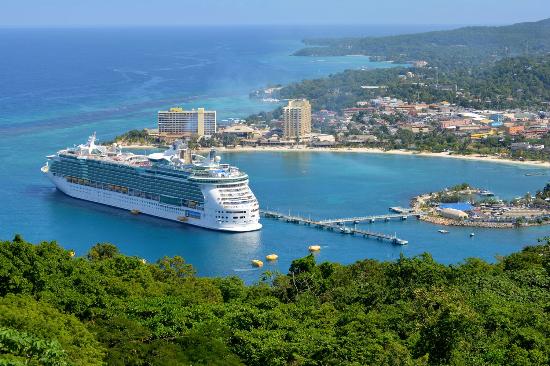
RCI-Royal Caribbean resumes scheduled calls to Jamaica’s primary cruise ports

/ Our Today
administratorDurrant Pate/Contributor
RCI-Royal Caribbean, which had placed a pause of cruise calling at Jamaica’s primary ports following the passage of Hurricane Melissa, has resumed returning visitors to the island’s shores.
This move denotes a practical shift in Caribbean cruise operations, which were interrupted by the Category 5 storm, which caused severe damage to Jamaica’s cruise ports during her passage on October 28 last year. The port of Falmouth in Trelawny has completed repairs and is now prepared to accept vessels again. Passengers can once more plan visits to Jamaica’s beaches, local sites, and organised excursions, as Jamaica has reopened its principal cruise harbours, including Montego Bay, Ocho Rios, Port Royal, and Falmouth, to scheduled calls by international cruise lines.
The availability of multiple ports allows vessels and their agents to structure routes that incorporate a range of onshore points of call. Each harbour provides distinct logistical and experiential attributes: Montego Bay with established entertainment venues, Ocho Rios with access to inland excursions, and Falmouth with its preserved urban grid. Planning procedures and protocols issued by Jamaican authorities address the processing of arrivals and departures to maintain orderly movement through port facilities.
With Royal Caribbean sailings reinstated, passengers can expect standard levels of onboard services and shore excursion options as outlined in published itineraries. These include access to selected beaches, natural sites, and cultural points of interest as part of organised programmes. Cruise operators maintain procedures intended to support safety and the coordination of ship-to-shore transfers. The integration of vessel services with scheduled local activities reflects established practices in routing and port call design.
Cruise passengers’ advisory
Travellers arranging passages that include Jamaican ports are advised to confirm bookings in advance due to anticipated demand for available berthing slots and shore services. Official sources provide current information on travel requirements, port entry procedures, and health and safety guidance to assist in planning. Onshore tours to regional points of interest, culinary visits, and heritage walks are among the options available through licensed providers.
Choosing accredited operators and adhering to published guidelines supports operational consistency and facilitates the orderly conduct of visits within Jamaica’s cruise port framework. With Royal Caribbean reinstating calls, the resumption of cruise traffic reflects adjustments in routing and port availability rather than a broader promotional narrative.
Falmouth, positioned on Jamaica’s northern coast and long included in cruise schedules for its historic district and access to nearby shore activities, has had port facilities restored. Local authorities carried out reconstruction of docking infrastructure and related services to allow the safe berthing of visiting ships. Travellers can make arrangements with the understanding that port operations and support services are functioning.
The return of cruise calls also has implications for associated commerce, particularly in sectors that engage directly with vessels’ arrivals and departures. The reinstatement of Royal Caribbean operations contributes to activity in Jamaica’s economy. Cruise passengers generate transactions with food service providers, retail outlets, and excursion operators.
With Falmouth back on published itineraries, local businesses are positioned to resume engagement with visitors. Onshore offerings include guided site visits, coastal tours, and regional culinary services, which operate under commercial arrangements with tour providers. In this operational context, cruise tourism is one among several factors affecting economic activity in port communities.





Comments