
Stay out of Venezuela’s airspace or risk being shot out of the skies, Trump warns
Al Edwards / Our Today
administrator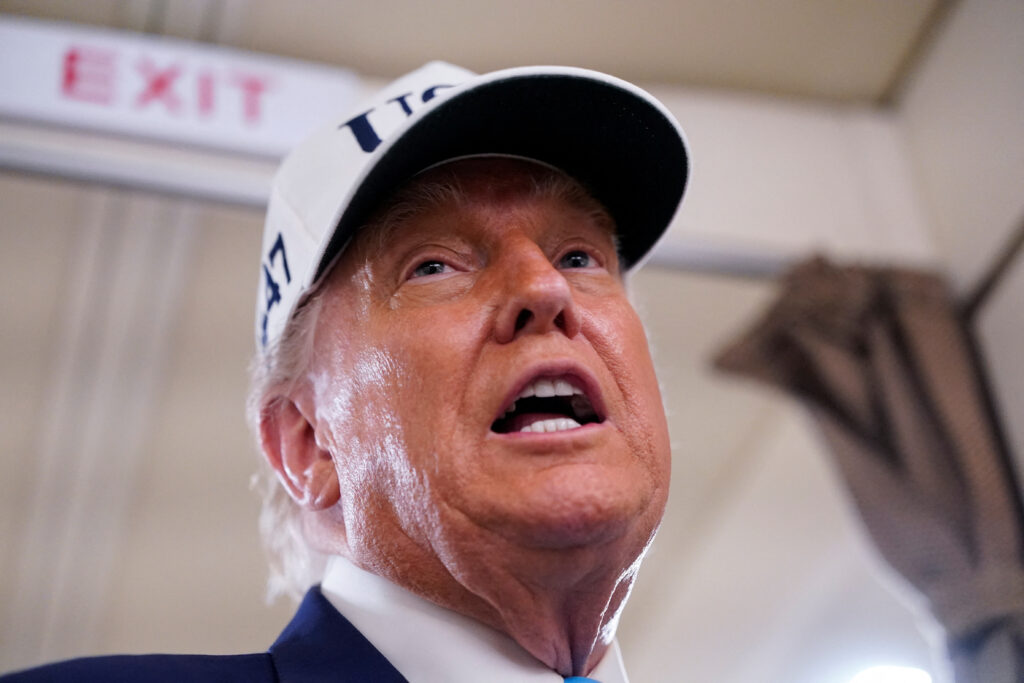
The United States is escalating its plans to strike Venezuela and remove its leader, Nicolas Maurdro.
This morning (November 29), US President Donald Trump took to his social media platform Truth Social and wrote: “To all airlines, pilots, drug dealers and human traffickers, consider the airspace above and surrounding Venezuela to be closed in its entirety. Thank you for your attention to this matter! President Donald J. Trump.”
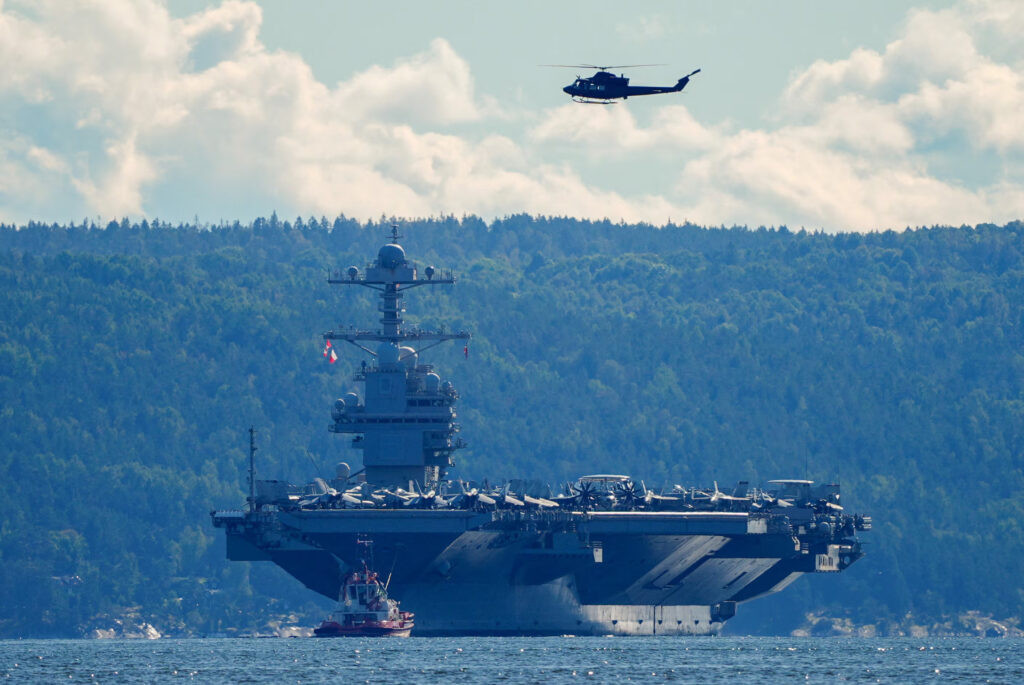
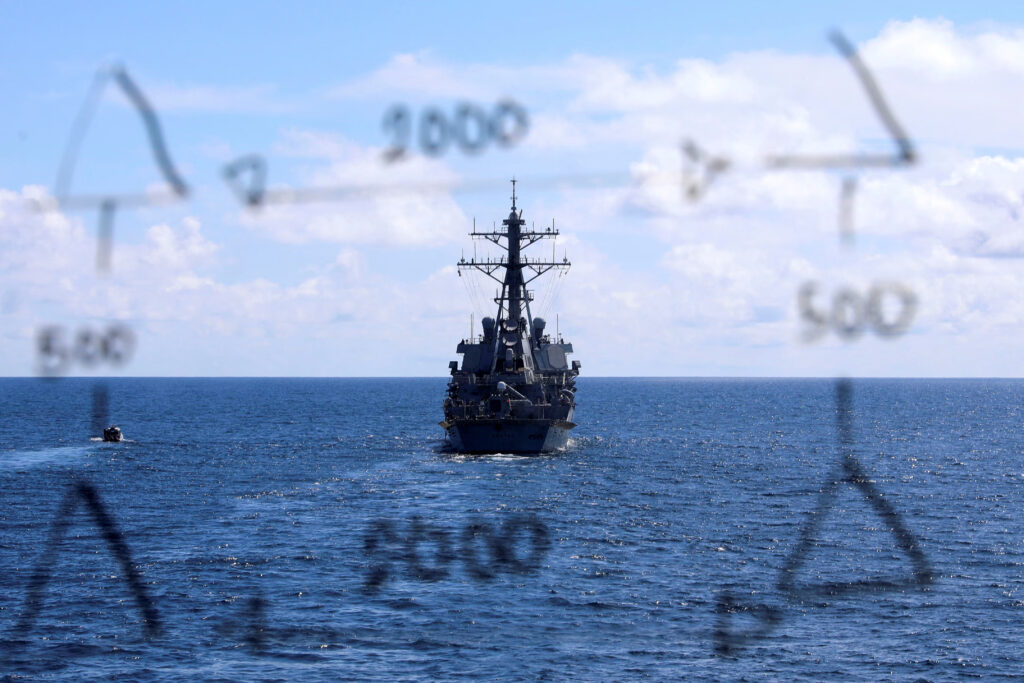
The United States already has 15,000 troops on standby as well as nine warships, including the world’s largest warship. This is the most massive US military presence seen in the Caribbean for decades. Already, 82 people have been killed in maritime bombings in the Caribbean Sea, with Secretary of War Pete Hegseth and President Trump deeming them narco-terrorists.
The entire Caribbean region is being put on notice and is reminded not to be supportive or sympathetic to Venezuela. It is in their own self-interest and necessary to their survival that they side with the United States on this matter.
President Trump has declared that the United States is in armed conflict with Caribbean drug cartels, particularly from Venezuela.
In his Thanksgiving remarks to US troops, President Trump said: “I thank the US Air Force for deterring Venezuelan drug traffickers. We’ll be starting to stop them by land.”
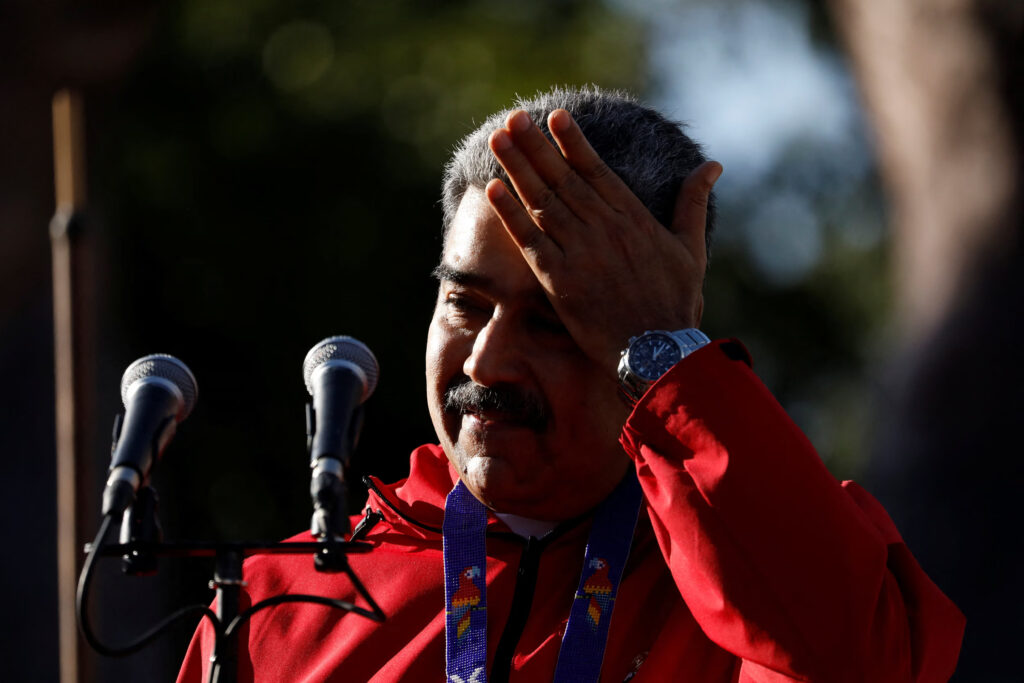
President Trump maintains that Venezuela’s leader, Nicolas Maduro, is the ‘head’ of the Cartel de los Soles drug gang and that there is a US$50 million bounty on his head. It is believed that CIA operatives are already in Venezuela engaged in covert exercises to destabilise the country and remove the Maduro regime.
Others point to Venezuela having the largest oil reserves in the world and the fourth largest gas reserves, a significant prize for the United States. Whatever the motives, the United States wants Maduro gone. He may seek asylum in Russia, Cuba or Colombia before Washington’s military might swoops down.
President Trump’s missives to stay out of Venezuelan skies may be a deterrent to both Russia and China coming to Venezuela’s aid, thereby isolating Maduro and leaving him with no options.
Rather than the citizens rallying to Maduro’s call to protect the land of their birth from the US invader, the Trump administration, including Secretary of State Marco Rubio, is hoping Venezuelans prioritise their own safety and hand over a tyrant who has presided over hyperinflation and an economy that does its people a disservice.
Since the United States has blasted a number of seafaring vessels out of the Caribbean Sea, President Trump has said that drug smuggling from the Caribbean has been reduced by 85 per cent.
“Contrary to what is being said by Jamaica’s former prime minister, the Caribbean Sea is not a zone of peace. For years, it has been used to smuggle deadly narcotics into the United States, thus affecting the welfare of our people. Caribbean countries have done very little to prevent this, and now the Trump administration is doing something about it. Trinidad & Tobago is taking the right approach and have sided with us fully. We are grateful for their government’s support. Other Caribbean countries would do well to follow Trinidad’s stance and reject drug smuggling and the proliferation of narco gangs. The United States is the supreme power in the Caribbean region, and Venezuela will soon recognise this. Deadly strikes on suspected drug-smuggling vessels in the Caribbean will continue,” said former Colonel Kirk Ryan.
Ryan previously worked with US Army General Barry McCaffrey, who is now a security analyst for NBC News.
The United States has deployed 14 per cent of the US Navy’s fleet to the Caribbean, including nine warships and the USS Gerald R. Ford, which carries a crew of 4,600 sailors and has a capacity for 90 fighter jets and helicopters.
US F-35 jets and B-52s have also been deployed in this daunting military presence in the Caribbean, ready to strike the Venezuelan mainland.


Comments