
Strong support system important for cancer patients

/ Our Today
administrator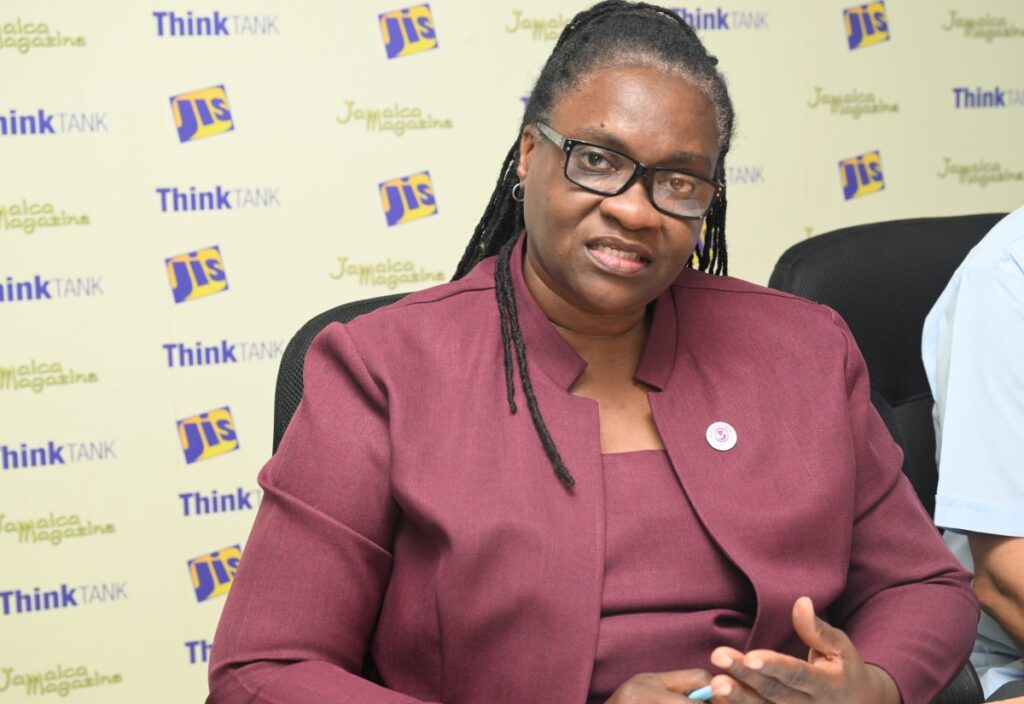
Mental healthcare and strong community support systems are critical components of cancer treatment and recovery, says Regional Priority Non-Communicable Diseases (NCD)/Family Health Coordinator at the Western Regional Health Authority (WRHA) Dr Marcia Johnson-Campbell.
Speaking with JIS News on World Cancer Day, on February 4, under the theme ‘United by Unique’, Dr Johnson-Campbell emphasised that cancer affects patients emotionally, socially and financially, making comprehensive support essential.
“Mental health and psychosocial support are absolutely necessary,” she said, noting that patients often face significant emotional strain during diagnosis and treatment.
Dr Johnson-Campbell explained that the psychological burden of the disease can be severe, particularly when patients are navigating complex treatment pathways and coping with uncertainty about their prognosis. “It can be very depressing. It can be very overwhelming,” she stated.
Beyond professional counselling, she underscored the importance of family, friends and community members in helping patients manage the daily realities of treatment. “Everybody has a role to play, everybody,” she emphasised.
Dr Johnson-Campbell noted that support does not have to be financial to be meaningful and effective. “Maybe you might not have finances, but you can sit with a person and just listen… or just sit and just be there for them,” she said.
She added that practical assistance can significantly ease the burden on patients and their caregivers. “You can be there to help them with regular chores, with childcare, with doing errands,” Dr Johnson-Campbell explained.
She further pointed out that emotional encouragement and companionship can improve patients’ outlook and resilience during treatment.
“Support is very, very important. It helps to lift the spirit, to provide hope…to just help persons go along,” she said.
Dr Johnson-Campbell also stressed the need to reduce stigma surrounding cancer and encourage open discussion about diagnosis and treatment. “We have to get to that point also where people are not afraid to talk about what is happening,” she said.
She also highlighted the role of organised cancer support groups across western Jamaica, which provide safe spaces for patients to share experiences and receive assistance. “We’re very thankful [that] we have some support groups around. We have the Cornwall Regional Hospital Cancer Support Group, there is the Montego Bay Cancer Support Group [and] in Westmoreland, we have Misty Blue Foundation. We [also] have Feed the Fight for Breast Cancer Awareness Foundation,” she informed, noting that such organisations play an important role in patient care and advocacy.
Dr Johnson-Campbell encouraged continued collaboration among health authorities, community groups and families, to ensure that persons living with cancer receive the comprehensive care and support they need.





Comments