
Sunday Sips with HG Helps | Dissing Jamaica’s women of beauty; sad to see Ralph go; Jamaica under US pressure, and road deaths must be stemmed

/ Our Today
administrator
Days ago, I came upon an article online, on X.com (formerly Twitter) to be exact, which highlighted the top 50 countries with the ‘Most Beautiful Women’, in what it described as its 2025 ranking.
Right away, my interest piqued. With sober expectation to see Jamaica at least among the top five, I dived into what I thought would have been crucial minutes of reading. The first name that came up was Venezuela. Hmmm…okay, maybe reasonable, but what were the criteria?
Brazil slipped into second place, followed by Colombia in third. Again, not knowing the criteria used, Brazil and Colombia were not bad, especially when the facial side of beauty was considered, perhaps.
So, fourth had to be Jamaica… just let me confirm. Wow! It was Ukraine, followed by Russia, Sweden, Italy, the United States, Argentina, and Denmark, to round off the top 10. Amazing! Jamaica was nowhere in sight. You mean a country that has won the Miss World title three times, and placed second in the Miss Universe contest, among other achievements, was ignored?
In fact, there was no mention in the top 20 of Jamaica, Trinidad & Tobago, or Cuba, which, in my estimation, are the top three Caribbean countries in terms of overall feminine beauty.
The names of the United Kingdom, Canada, India, South Korea, Japan, The Philippines, Turkey, France, Spain, and Poland occupied the 11-20 spots.
Was the author mentally challenged at the time? Or was it that the name ‘Jamaica’ was not familiar to the writer or panel that formulated the ridiculous list?
To go even further, Jamaica, T&T, and Cuba did not even make the 50. I concluded that something called stupidity was at play.
In any list of 10, Jamaica, T&T and Cuba must be included when it comes to women’s beauty. If not, that list would have to be dismissed, forthwith.
Facial beauty is merely one factor in deciding who qualifies in a seeming all-around beauty runoff. There, of course, must be structural beauty also, which has to be an important ingredient in that mixture.
As far as Jamaica is concerned, one could argue that there could be a photo finish that would involve itself, T&T, Cuba, Venezuela, Brazil and Colombia, for which country rules when it comes down to purely facial attraction (read carefully … not fatal attraction). But, save for South Africa in the over 70 countries that I have visited or lived in, Jamaica has no equal when it comes to the structural side of things.
South Africa is, no doubt, up there, certainly with the largest and broadest backsides that I have ever seen. But while Jamaica manages to keep things in ‘shape’ without a doubt, South Africa still has work to do in terms of tightening up the ‘ends.’ So, unless there is just the criterion of how the faces look, if ‘shapes’ are included, then no other country could be placed ahead of Jamaica when both factors are combined. In other words, the closeness of the facial race would come down to the final decision of that structural showcase, and with Jamaica so far ahead in the latter area, it results in a no-contest in determining the globe’s real number one.
Stranger things have happened in life, though.
Sad to see Gonsalves go
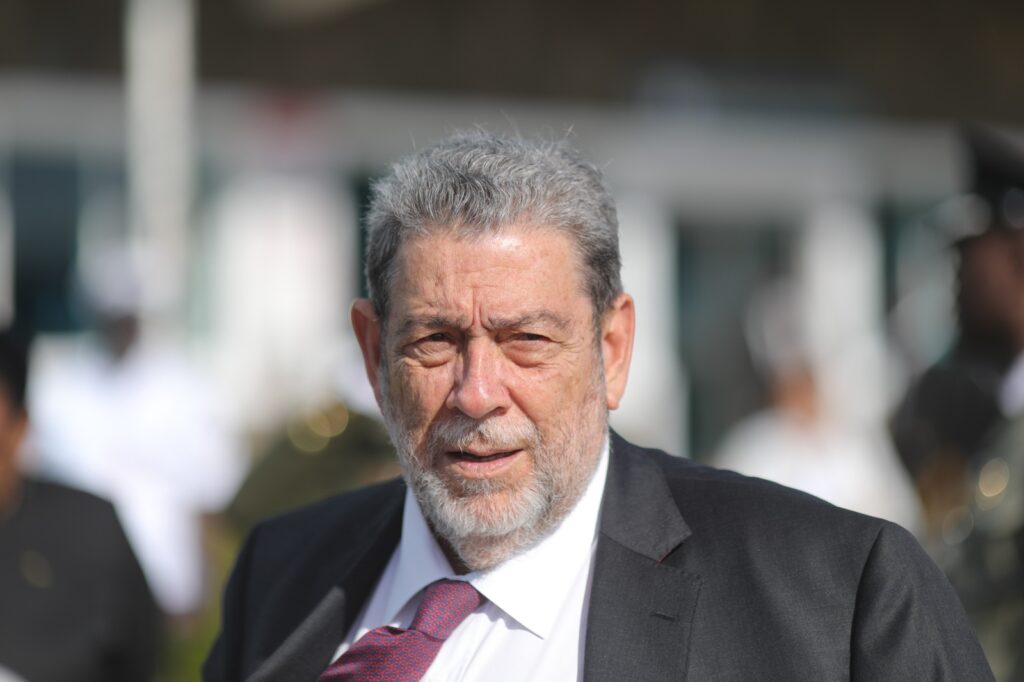
He has ruled the roost in his native St Vincent & the Grenadines for close to a quarter of a century, and although I still do not think that political leaders and political administrations should stay in office for an eternity, Dr Ralph Gonzalves, veteran lawyer, academic, and leader of the Unity Labour Party, is an exception.
From my perspective, it is not only about how he managed the affairs of the lovely Caribbean island over 24 years, but how the 79-year-old worked overtime to not only keep the region as one of peace, and like Mia Mottley of Barbados ensured that the islands of the Caribbean had two individuals in place who would prepare the ground for their growth.
As president of the Guild of Undergraduates at the University of the West Indies, Mona campus, Gonzalves led the fight during a student protest in 1968, against the ban and deportation of Guyanese progressive, socialist, Black Power proponent, historian and UWI lecturer, Dr Walter Rodney by the Jamaica Government, with the nation’s third prime minister, Jamaica Labour Party leader Hugh Shearer at the control. It was one of the bad decisions made by Shearer, a man I have adored and who became my very good friend years after when he was named president general of the popular Bustamante Industrial Trade Union while continuing to be Member of Parliament for Clarendon South Eastern. Even after he was defeated by the People’s National Party’s Peter Bunting in the 1993 general election, Shearer, a virtual owner of the Clarendon seat since 1967, and I, remained close until his death on July 5, 2004. The protest was something that Gonzalves always remembered, along with the political history research that he did into Shearer’s defeat by the PNP’s Ken Hill in Kingston Western in 1959, marking the only time the JLP lost the seat since its creation.
A supporter of capital punishment, Gonzalves is the cool peacemaker. He facilitated and hosted a meeting between Venezuela’s President Nicolas Maduro and Guyanese counterpart Irfaan Ali two years ago, urging both countries to maintain dialogue in a bid to resolve a longstanding border dispute.

He, too, has been at the frontline of denouncing killings by the US Coast Guard, of fishermen off the coast of Venezuela, who were accused of trafficking drugs en route to the US, despite the fact that not one shred of evidence has been presented by the US to back the claim.
Years ago, I met Ralph. Pure niceness and, as we often say, ‘down to Earth’ qualities that he exuded. As time unfolded, he faced accusations surrounding his personal conduct, some of which, based on information given to me by my very fair friends in St Vincent & the Grenadines, were manufactured to embarrass him.
His many achievements, though, were not so highlighted regularly, among the latest being the role he played in the Sandals hotel chain’s investment in the country with the construction of the elaborate 301-room, five-star Sandals Saint Vincent and the Grenadines, which opened its doors in March 2024.
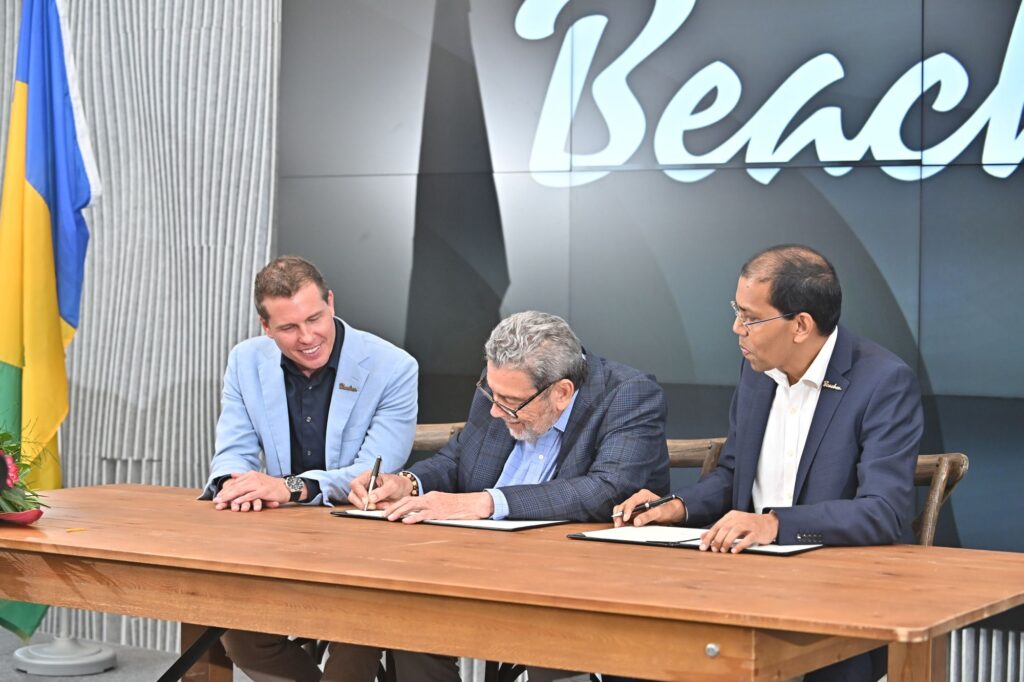
Interestingly, the president of Cricket West Indies, Dr Kishore Shallow, won the North Leeward seat for the victorious New Democratic Party, over the island’s tourism minister, Carlos James. If Shallow performs in a similar style to how he has directed cricket in the region in recent years, his constituents will do everything to visit Milk River for a bath. I fear for them.
Jamaicans ought to be on pins and needles
Now, what does the shooting of two National Guard officers, allegedly by an Afghan, have to do with Jamaicans now sweating on the possibility of losing permanent residency status in the United States of America?
More than a clear hint was dropped last week by US President Donald Trump that he will “permanently pause” migration from all Third World countries to allow the US system to recover. What in God’s name does the term ‘permanently pause’ mean? Isn’t that the greatest contradiction ever? When someone figures it out, please let me be the second to know.
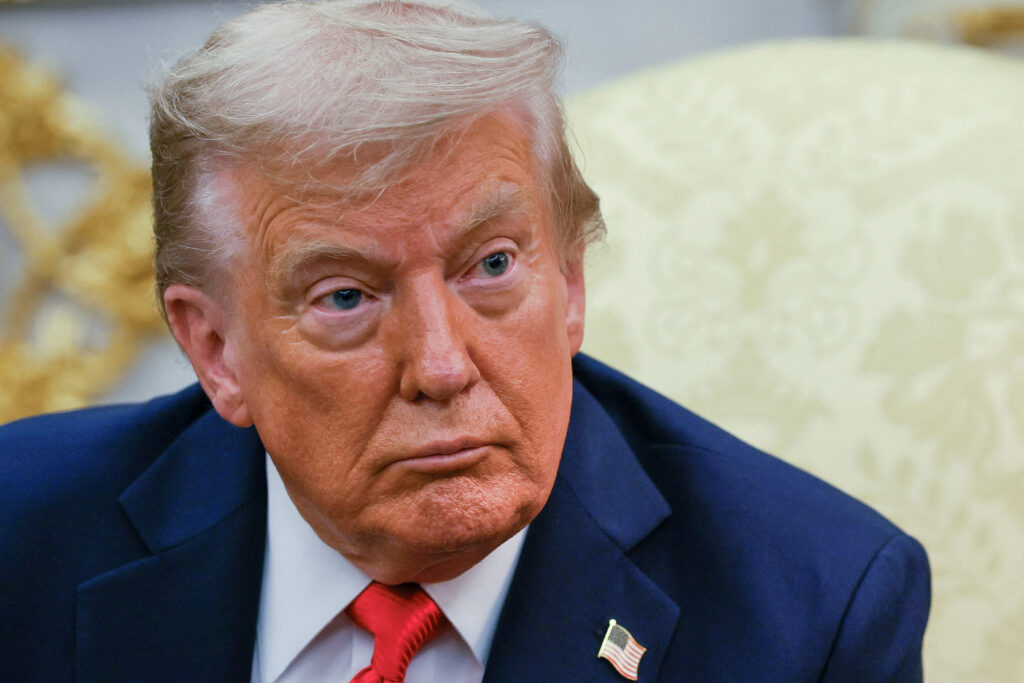
Following the mass deportation of migrants that picked up pace during the second coming of the Trump administration, there has been a major push to keep non-American-born people out of the best-known country in the world. Many, including Jamaicans, are now learning that even if they are ‘green card’ holders, their desire to remain in what has been called the ‘Land of opportunity’ is quite dim. And indications are limited as to who will be targeted.
People who are not ‘straight’ are in even greater trouble. The next nine months could give birth to a drastically changed global playground, in which millions will struggle to find their true identities.
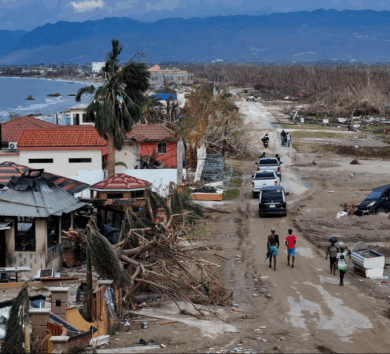
For Jamaica, with opportunities to the US now naturally limited and based upon the direction in which the Trump administration has been moving, it could mark a period of sheer hell, with a combination of what has begun as a complicated time of recovery from Hurricane Melissa, which has left around 900,000 of the country’s 2.8 million people in no man’s land; and US policy, upon which islanders have depended on two of the main sources of financial support – remittances, and tourism.
Too many deaths on roads
The death of five people, among 19 passengers who were travelling in a mini-bus along the PJ Patterson Highway when it crashed last Wednesday, has again focused attention on how drivers operate on the roads.
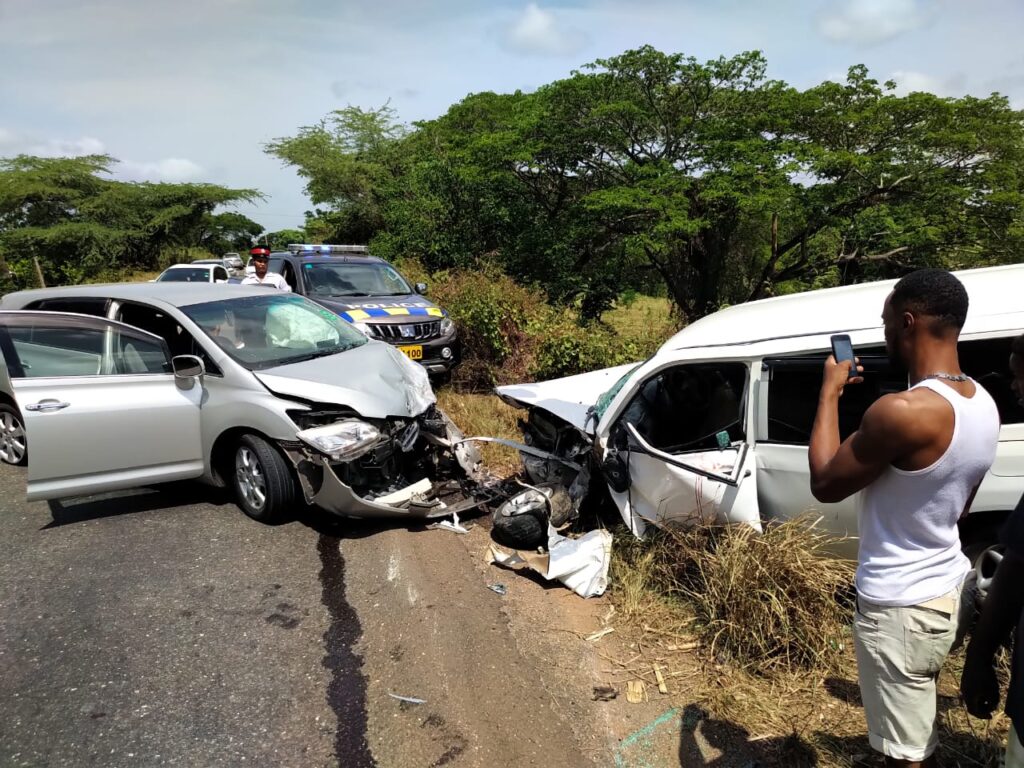
As things unfolded, it was a public passenger vehicle that was involved again. The reason given was that a right tyre, not sure if it was front or rear, blew out and the vehicle left the road. It was a catchy excuse, but for a tyre, any tyre, to blow out and end in a crash of that magnitude, speed must have been at work…daredevil speed. As a result, the overall death toll shot up to 342 for 2025.
If it were not for Dr Lucien Jones, vice chairman of the National Road Safety Council, there would not be one road death in any year. Yet, his perennial calls for road safety precautions to be taken while motorists are in gear have attracted no one.
When will the lesson be embraced by students on the road?
It is blatantly obvious that more stringent measures must be introduced by policymakers and law enforcers for more lives to be saved. Today’s vehicle handlers are more concerned about speed, bobbing and weaving, and believing that driving is merely ‘one of those not so serious things.’

Comments