
The slow and frustrating reality of document processing in Jamaica

Zemelyah Shaw / Our Today

Jamaica faces several challenges that require the attention and action of its citizens. One of these is the time it takes for documents to be fully processed.
Legal documents are an essential part of everyday life in Jamaica; whether it’s applying for a driver’s licence, buying property, or seeking legal assistance, the process of obtaining and processing legal documents can be slow and frustrating for many Jamaicans.
The lack of digitalisation is one of the main reasons for slow document processing in Jamaica. Many processes still require multiple steps, are ripe with delays and errors, but can theoretically be done online. For example, there remains lack of online application options for several services in the public sector.
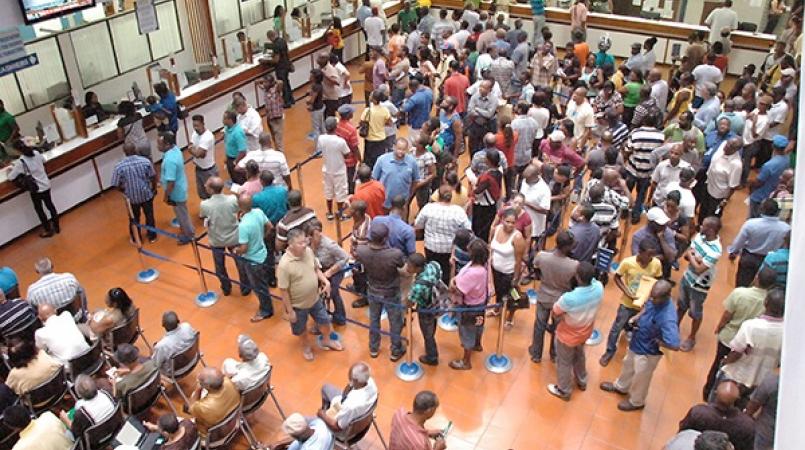
In addition, there are often long wait times to access government services, including document processing. For example, a person seeking a certified copy of a birth certificate may have to wait in line for several hours at a government office, only to be told that the document is not yet available.
The slow processing of legal documents can have serious consequences for Jamaicans – it can delay important transactions and prevent people from accessing the services they need. It is also frustrating and anxiety-inducing for people who are waiting for important documents to be processed.

To address these issues, there have been efforts in recent years to modernise and digitise the document processing systems in Jamaica. For example, the government has launched an e-gov portal that allows citizens to access a range of services online, including applying for passports and birth certificates. There has also been investment in modernising government offices and improving the efficiency of document processing systems.
But there is still much work to be done to improve the processing of legal documents in Jamaica. This includes investing in new technology and training government workers to use it effectively, as well as streamlining processes and reducing bureaucracy.






Comments