The true price of risk: How poor choices on the road burden families and the country

/ Our Today
administrator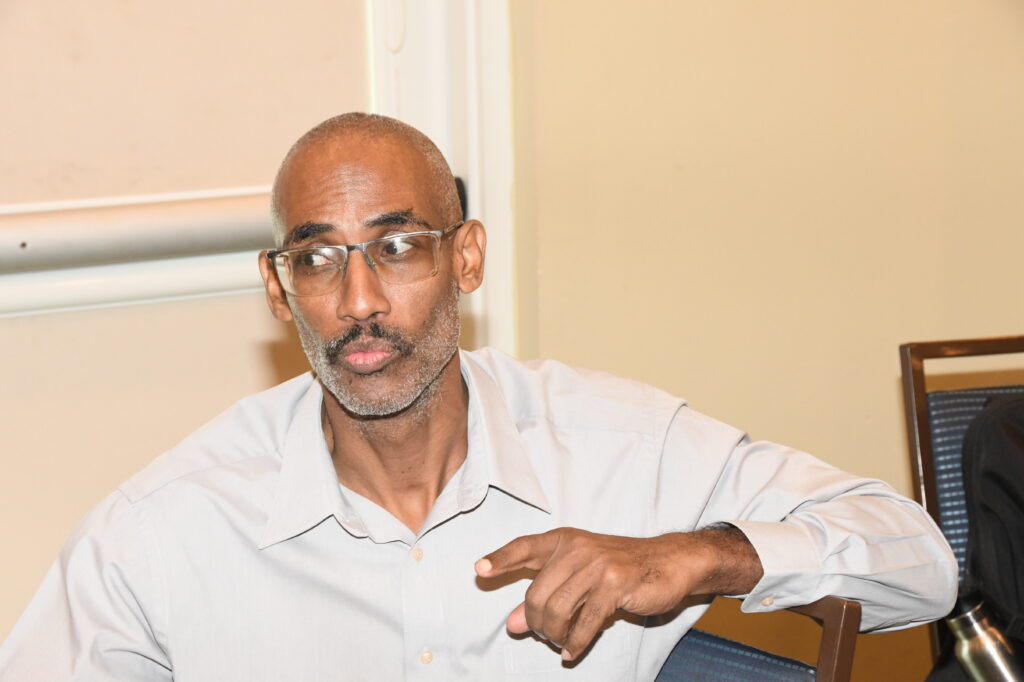
Every week, the St Ann’s Bay Regional Hospital in St Ann admits at least one patient injured in a motorcycle-related crash.
Dr Cary Fletcher, an orthopaedic surgeon with 13 years of experience at the hospital and a member of the National Helmet Wearing Coalition (NHWC), has seen this pattern play out repeatedly.
“Every week we get at least one motorcycle crash,” he said. “When I did the math from my research, it worked out to about two admissions per week.”
His case study, conducted between 2016 and 2018, revealed that two-thirds of crash victims were under 40 years old, with an average age of 28.
“This really underscores the impact on Jamaica’s workforce,” Dr. Fletcher pointed out.
These are not isolated incidents; they represent a growing crisis with far-reaching economic and social consequences. Many motorcyclists are not recreational riders but people who depend on their bikes to earn a living.
“The average motorcycle cost about $120,000, while their average weekly salary was $30,000,” Dr Fletcher noted. “These are not people who can afford to lose an income or pay for long hospital stays.”
The financial strain extends beyond individual families to the public health system. A 2017 cost-of-care study estimated that each motorcycle crash costs an average of $263,000. However, Dr Fletcher believes this figure is greatly underestimated, especially when factoring in expensive treatments, such as metal rods for fractures, which alone can cost $140,000.
Each crash ripples outward, families lose breadwinners, communities lose productivity, and the national economy bears the cumulative weight of preventable injuries.
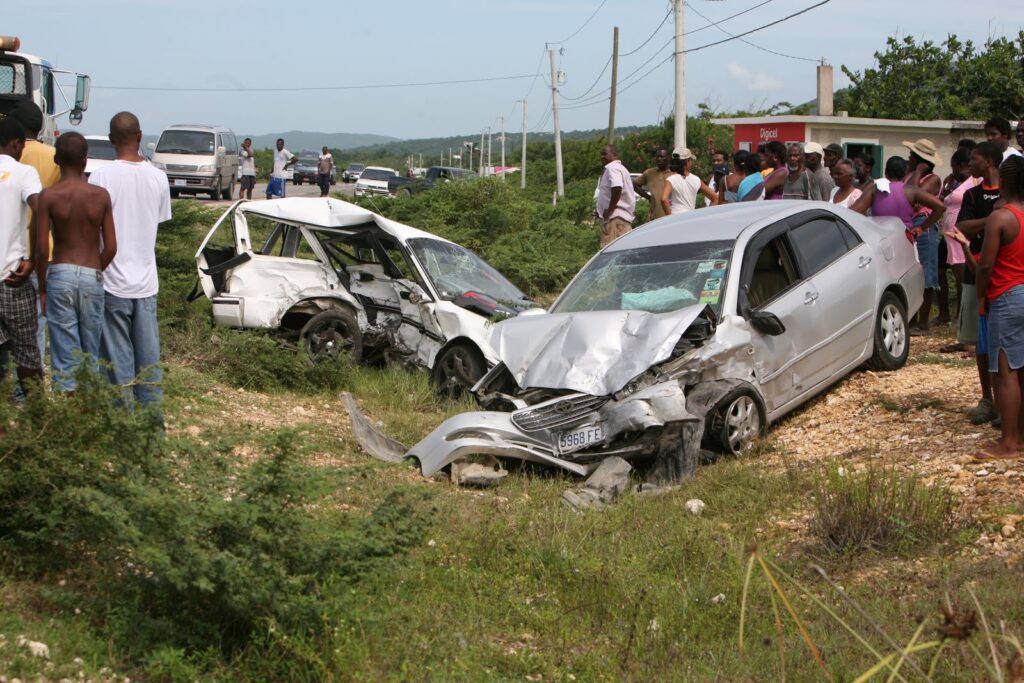
The types of injuries seen at St. Ann’s Bay Regional Hospital are both severe and life-altering. Lower limb injuries, primarily between the knee and ankle, accounted for 55 per cent of cases, while upper limb injuries made up 35 per cent.
“We see people losing toes and portions of their feet because they were wearing shorts and slippers. These are young people in their economic prime,” Dr. Fletcher shared.
Head injuries represented 31 per cent of cases, while spinal and pelvic injuries each accounted for five per cent, underscoring the devastating range of trauma sustained.
Despite these consequences, many riders continue to take unnecessary risks. Some choose not to wear helmets for short trips, citing discomfort, cost, or social concerns, particularly among women, for whom hairstyles may discourage helmet use.
“More than half of those who weren’t wearing a helmet said it was because they were just riding a short distance. But it only takes one second to be seriously injured or killed,” Dr. Fletcher warned.
Cultural attitudes also play a major role. In June 2024, the NHWC conducted a focus group in Westmoreland, one of the parishes with the highest number of motorcycle-related fatalities. The findings were troubling: safety often took a back seat to style and image. Some participants cited the saying, “If yuh fi drown, yuh cyah hang,” expressing the belief that fate determines death regardless of precaution. These mindsets illustrate the deep-rooted challenge of promoting a culture of safety.
Preventable Tragedies and a Path Forward
Yet amid these grim realities, Dr Fletcher remains focused on solutions.
“Easily eight out of 10 injuries were unquestionably preventable, and another seven to eight per cent were more than likely preventable,” he emphasised. His prescription is twofold: effective enforcement and quality education.
“We need a national programme that not only improves skills but also changes the mindset of riders,” he said.
This is precisely where the NHWC is taking action. Implemented by the JN Foundation in collaboration with the National Road Safety Council and funded by the FIA Foundation, the NHWC is spearheading targeted initiatives to promote helmet use and road safety education across Jamaica. Through school outreach programs, community workshops, national advocacy, and public awareness campaigns, the Coalition is equipping both current and future riders and pillion passengers with knowledge about certified helmets and their life-saving benefits.
Evidence from abroad reinforces the power of these efforts. In Thailand, for instance, a sustained nationwide campaign combining education, media messaging, and enforcement drastically reduced motorcycle deaths. Lessons from such initiatives offer a roadmap for Jamaica, proof that changing attitudes and behaviours can save lives.
Enforcement and Everyday Choices
On enforcement, Dr Fletcher stresses that static policing alone is insufficient. Motorcyclists can often ride past checkpoints without being stopped. Instead, he advocates for the introduction of electronic enforcement, including cameras to detect license plates, paired with stronger licensing systems.
Still, he reminds people that real change begins with personal responsibility. “It only takes one second to get seriously injured or die,” Dr. Fletcher said.
Each statistic, he said, is a life abruptly changed, a breadwinner unable to work, a family facing unexpected hardship, a community grappling with loss. The cost of poor decisions on the road is measured not only in dollars but in futures cut short.
In St Ann’s Bay and across Jamaica, Dr Fletcher pointed out that this case study is a reflection of both risk and resilience, and a reminder that prevention is within reach. For Dr. Fletcher and the NHWC, the message is clear: through education, enforcement, and a shift in mindset, Jamaica can protect its riders, its families, and its future.






Comments